Allergic Rhinitis: Identifying Common Triggers and How to Manage Them
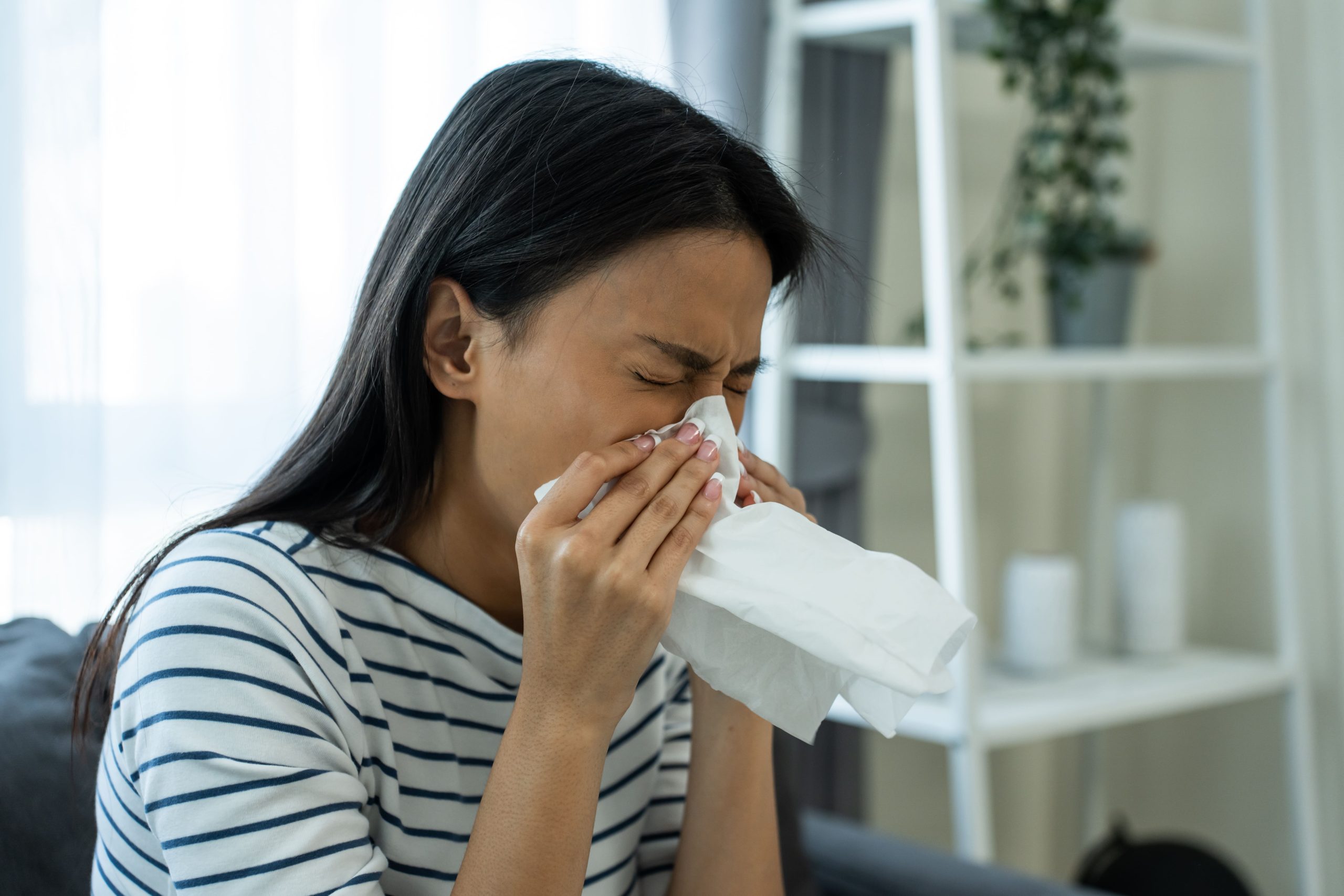
Allergic rhinitis occurs when the immune system overreacts to harmless airborne particles, causing symptoms such as nasal inflammation, sneezing, and congestion. In Singapore’s tropical climate, these reactions are triggered by year-round outdoor pollens and perennial indoor allergens such as dust mites and mould. Effective management requires identifying specific triggers and implementing targeted strategies — such as environmental controls or medical treatments — to address the unique nature of each allergen.
Indoor Allergen Triggers
Indoor environments in Singapore often harbour specific biological triggers that can provoke chronic respiratory sensitivity and allergic rhinitis.
Dust Mites
Thriving in high humidity, these microscopic organisms congregate in soft furnishings where they feed on dead skin cells. Their airborne waste particles are primarily inhaled during sleep, causing symptoms to peak in the early morning or upon re-entering the bedroom.
Mould Spores
Mould proliferates in damp, poorly ventilated areas and releases spores that disperse through indoor air currents — including from poorly maintained air-conditioning units or drainage trays. Because these spores remain airborne for extended periods, they can trigger allergic reactions throughout the day regardless of your proximity to the source. Common growth sites include:
- Shower grout and bathroom tiles
- Window condensation areas
- Air conditioning drip trays
- Cabinetry underneath sinks
Pet Dander
Allergic reactions are triggered by proteins found in a pet’s skin cells, saliva, and urine — not their fur alone. The fur acts as a carrier, collecting and redistributing these proteins throughout the home. These allergens are highly persistent: they can remain airborne for extended periods and settle on carpets, furniture, and clothing, persisting in a household long after the animal is no longer present. Because sensitisation may develop progressively with repeated exposure, some individuals notice symptoms only after months of living with a pet.
Outdoor Allergen Triggers
Outdoor environmental factors in Singapore can significantly aggravate nasal sensitivity through both natural biological cycles and periodic atmospheric changes.
Pollen
While pollen levels in Singapore are not as dramatically seasonal as in temperate climates, local grass, tree, and palm species release pollen year-round, with dispersal most effective on dry, windy days.
Notably, oil palm pollen — carried by wind from plantations in neighbouring countries — has been identified as one of the most prevalent outdoor allergens in Singapore, particularly during the Northeast Monsoon season from December to March.
These cross-border particles can trigger reactions even in individuals who have no direct contact with local vegetation.
Air Pollution and Haze
Fine particulate matter irritates already-inflamed nasal passages, intensifying the discomfort experienced during periods of poor air quality. Prolonged exposure can damage the nasal mucosa over time, effectively lowering an individual’s threshold for allergic reactions and increasing sensitivity to other triggers.
Recognising Your Personal Triggers
Identifying specific triggers requires observing symptom patterns across different environments and times. Consider these factors:
- Location patterns: Do symptoms improve or worsen at home versus work? Do specific rooms trigger reactions? Symptoms that improve away from home often indicate indoor allergens like dust mites or pet dander.
- Time patterns: Morning symptoms suggest dust mite exposure during sleep. Symptoms that worsen throughout the day may indicate workplace or outdoor triggers. Evening symptoms might reflect outdoor allergen exposure during commutes.
- Seasonal variations: Symptoms that fluctuate with humidity levels often indicate mould sensitivity. Reactions during specific months may correlate with local plant pollination cycles.
- Activity triggers: Symptoms after cleaning, vacuuming, or disturbing fabrics point toward dust allergies. Reactions after outdoor exercise suggest pollen or pollution sensitivity.
Environmental Management Strategies
Implementing targeted environmental controls may help reduce your daily exposure to allergens and potentially alleviate chronic nasal symptoms.
Bedroom Modifications
Using allergen-impermeable covers and washing bedding at 60°C can help create a barrier against dust mites during sleep. You should also replace carpets with hard flooring or use HEPA-filtered vacuums to help prevent fine particles from being recirculated into the air.
Whole-Home Approaches
To support a healthy indoor environment, it is generally recommended to manage air quality and moisture levels across all living spaces. Effective strategies include:
- Installing appropriately sized HEPA air purifiers in high-traffic rooms.
- Servicing air conditioning units regularly to help prevent internal mould growth.
- Using exhaust fans and fixing leaks to reduce moisture sources.
- Seeking professional remediation for deep-seated mould colonies.
Medical Management Options
When environmental adjustments aren’t enough, several medical interventions may help control the body’s inflammatory response and aim to provide sustained relief.
Antihistamines
Second-generation antihistamines are designed to block the receptors that trigger sneezing and itching without the significant drowsiness associated with older versions of the medication, and are generally recommended as a preferred option for daily management. These medications typically work best when taken consistently rather than only after symptoms have already flared up. If a sedating option is considered for nighttime use, this should be discussed with a healthcare provider, as current clinical guidelines generally favour second-generation agents to avoid residual next-day impairment.
Intranasal Corticosteroids
These steroid sprays target inflammation directly within the nasal passages, though they typically require consistent daily application to aim for their full therapeutic potential over several weeks. To support safety and efficacy, the spray should be aimed toward the outer nasal wall rather than the central septum to help prevent irritation. Your healthcare provider will typically customise a usage schedule based on your specific level of nasal congestion and sensitivity.
Nasal Saline Irrigation
Using a saline rinse physically clears accumulated allergens and mucus from the nasal cavity, providing a drug-free approach that may help improve breathing and reduce nasal congestion. This mechanical cleaning process also prepares the nasal lining so that medicated sprays may be absorbed more effectively. Regular irrigation with either an isotonic or hypertonic saline solution aims to reduce the overall allergen load — your healthcare provider can advise on which concentration is most appropriate for your symptoms.
Immunotherapy
Immunotherapy involves a long-term desensitisation process where the immune system is gradually trained to tolerate specific triggers through regular injections or sublingual tablets. This approach requires identification of allergens via skin prick or blood testing to help ensure the treatment targets the underlying condition. Unlike options that primarily manage symptoms, this therapy is designed to provide long-term benefits and potentially alter the course of allergic disease even after the treatment concludes.
Daily Symptom Reduction Techniques
- Shower and wash hair before bed to remove allergens accumulated on your body and hair during the day
- Change clothes after extended outdoor time, particularly after exercising or during high pollen or haze periods
- Keep windows closed during peak pollen hours (typically early morning), and use air conditioning instead
- Wear wraparound sunglasses outdoors to reduce pollen contact with the eyes
- Clean nasal passages with saline irrigation morning and evening during high-allergen periods
When to Seek Professional Help
- Symptoms persist despite consistent environmental modifications and over-the-counter medications
- Nasal congestion interferes with sleep quality, causing daytime fatigue or reduced concentration
- Frequent sinus infections or ear infections develop alongside allergic symptoms
- Symptoms affect work or school performance significantly
- Over-the-counter nasal decongestant sprays have been used for more than a few consecutive days
- Asthma symptoms (such as wheezing, chest tightness, or difficulty breathing) worsen alongside nasal symptoms
- You need help identifying specific allergen triggers through testing
Commonly Asked Questions
Can allergic rhinitis develop in adulthood even without childhood allergies?
Allergic rhinitis can develop at any age. Adult-onset allergies commonly appear after relocating to new environments, adopting pets, or following viral respiratory infections that may alter immune responses. Moving to Singapore from temperate climates often triggers new allergies due to different allergen exposures.
Will allergic rhinitis worsen over time without treatment?
Untreated allergic rhinitis may progress through a phenomenon called the “atopic march.” It can potentially develop into asthma or expand to include additional allergen sensitivities. Chronic nasal inflammation also increases susceptibility to sinus infections and can affect sleep quality, concentration, and overall well-being. However, this progression is not inevitable and varies depending on individual genetic and environmental factors.
Are natural remedies effective for allergic rhinitis management?
Some individuals report benefit from local honey, butterbur supplements, or acupuncture. However, clinical evidence remains limited. These approaches may complement medical treatment but shouldn’t replace established interventions, particularly for moderate to severe symptoms. Discuss any supplements with your doctor, as some interact with medications.
How long does it take for environmental changes to improve symptoms?
Response times vary based on individual health factors and the specific allergen involved. Dust mite populations decrease noticeably within several weeks of implementing bedroom modifications, with continued improvement over the months that follow. Accumulated allergen proteins in fabrics and furnishings take time to dissipate even after reducing active allergen sources.
Next Steps
Accurate trigger identification is the foundation of effective management of allergic rhinitis. Observe your symptom patterns to pinpoint likely allergens, then apply the corresponding environmental controls—allergen-proof bedding covers for dust mites, moisture reduction for mould, and HEPA filtration throughout the home.
When environmental measures are insufficient, intranasal corticosteroids and antihistamines provide targeted symptom relief, while immunotherapy remains the only intervention that addresses underlying immune dysfunction.
If you are experiencing persistent sneezing, nasal congestion, recurring sinus infections, or worsening asthma symptoms alongside nasal symptoms, consult an ENT surgeon for allergy testing and targeted treatment.