October 16, 2026
Hearing Assessments in Singapore: What to Expect

Booking your first hearing test can feel unsettling. You may worry about what the results will show or whether the tests will be uncomfortable. These feelings are common, and knowing what happens during a hearing assessment in Singapore can make the visit feel structured and familiar.
What to Expect During a Hearing Assessment
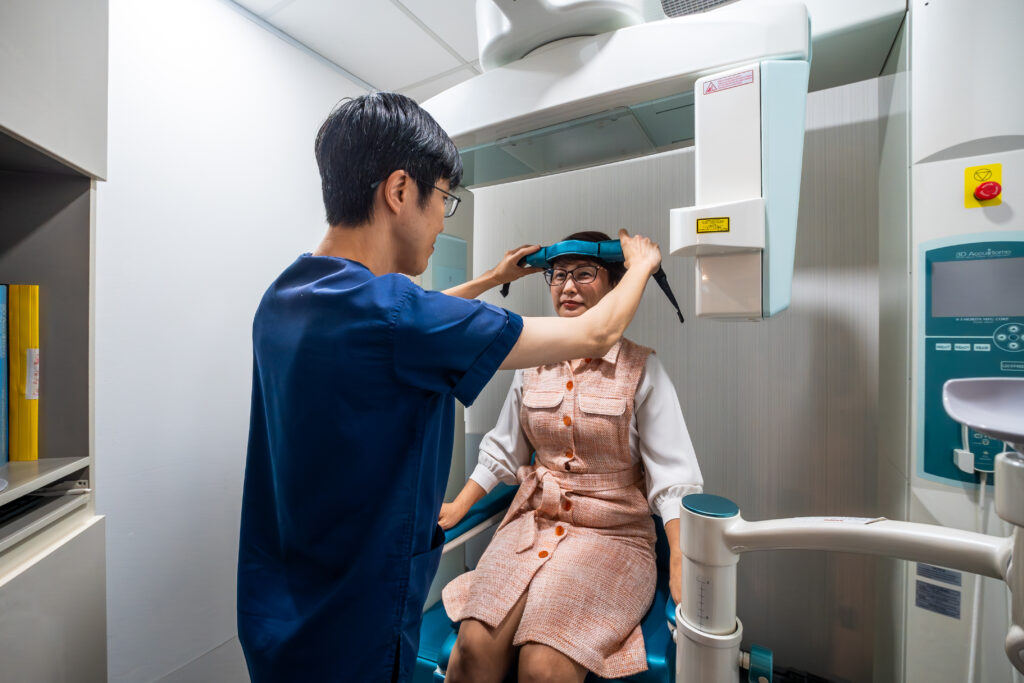
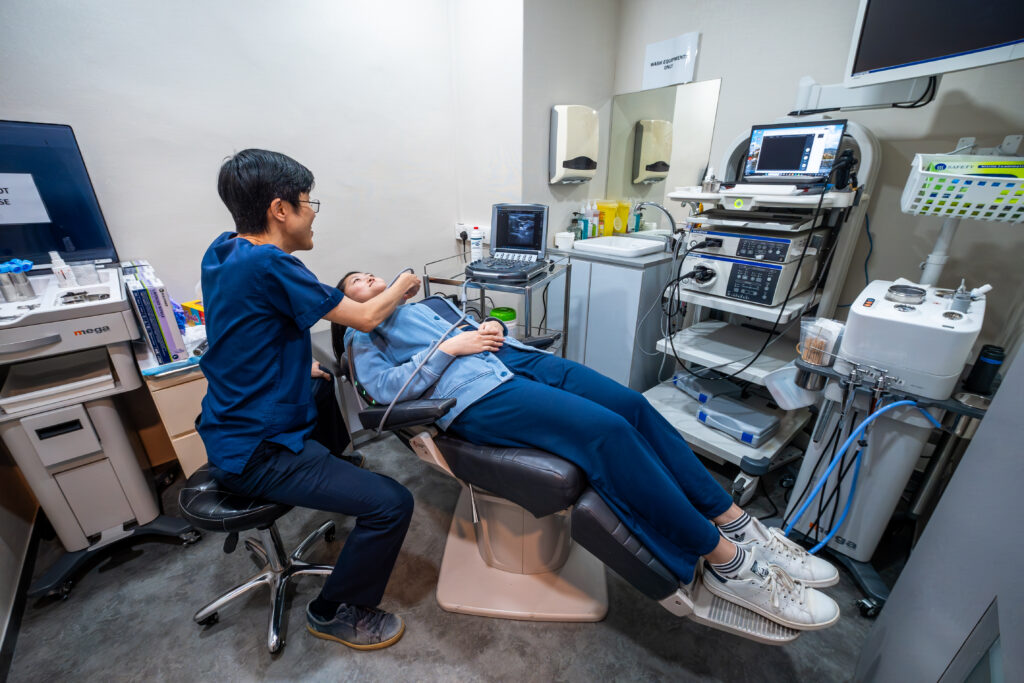
Many people picture a quiet booth and a series of beeps. That is one part of the visit, but a full assessment at an ENT (ear, nose and throat) specialist clinic includes much more. You will consult with your doctor, have your ear canals and eardrums examined, and complete a series of listening tests.
You do not need to prepare or “study” for these tests. They are non-invasive diagnostic measurements with no right or wrong answers.
Recommended Steps Before Your Visit
- Bring a list of your current medications.
- Bring any previous hearing reports or audiograms for comparison.
- Wear your current hearing aids to the visit if you already use them.
- Note down the specific listening situations or symptoms that concern you most.
Why Hearing Assessments Are Important
A hearing assessment is a battery of non-invasive tests that measures how well you hear sounds across different pitches (frequencies) and volumes (intensities). It checks how clearly you understand speech and how well your middle and inner ear structures function. The results identify whether hearing loss is present and specify its type (conductive, sensorineural, or mixed) and degree.
Hearing plays a vital role in everyday communication, from following conversations in noisy dining settings to staying aware of environmental sounds and participating in work meetings. When hearing declines, individuals may gradually withdraw from social interactions. Hearing changes can also impact confidence, mood, and general wellbeing.
Gradual Onset of Hearing Loss
Hearing loss often develops slowly over time. Think of a room where the lighting dims slightly each month; you adjust continuously without noticing until someone points out how dark it has become.
The brain adapts similarly by filling in missing words from context, leading many to assume that others are mumbling or that background noise is solely responsible. A formal hearing assessment measures precise responses to sound thresholds, detecting subtle auditory shifts before they significantly impair daily communication.
Signs You May Need a Hearing Assessment
| Sign or Symptom | Daily Life Presentation | Most Commonly Affected Group |
|---|---|---|
| Difficulty in Noisy Settings | Voices blur together in busy restaurants or on public transport | Adults and older adults |
| Needing Higher Volume | Television or mobile device volume is set higher than others prefer | Adults and older adults |
| Asking for Repetition | Frequently asking family or colleagues to repeat themselves | All age groups |
| Tinnitus | Persistent ringing, buzzing, or humming in one or both ears | Adults and older adults |
| Ear Fullness | Clogged or pressurized feeling in the ear, similar to altitude shifts | All age groups |
| Speech Delay | A child uses fewer words than expected or speaks unclearly | Children and toddlers |
| Unresponsiveness to Sound | A child does not turn or respond when called from behind | Infants and children |
Note: These signs do not automatically confirm permanent hearing loss. Impacted earwax, middle ear fluid (glue ear), or a recent cold can cause temporary hearing muffling. An ENT evaluation confirms the underlying cause.
What Happens During a Hearing Test
A comprehensive hearing evaluation follows a structured clinical pathway:
1. Case History & Otoscopic Examination
Your visit begins with a detailed discussion regarding your auditory symptoms, onset duration, and whether one or both ears are affected. Your doctor will review your medical history, current medications, family history of hearing loss, and workplace or recreational noise exposure.
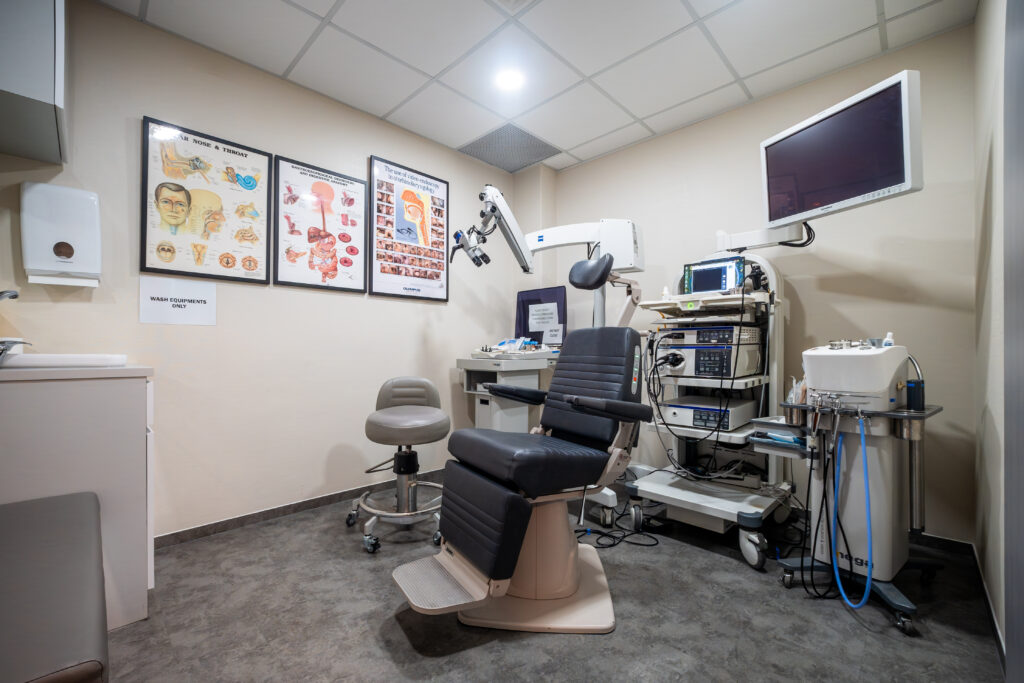
Next, your doctor examines your ear canals and eardrum membranes using an otoscope or operating microscope. This confirms whether impacted earwax, fluid, or infection is physically blocking the ear canal.
2. Pure Tone Audiometry (Air & Bone Conduction)
Commonly referred to as the “beep test”, you wear calibrated headphones inside a sound-treated booth and listen to tones presented at varying pitches (frequencies from 250 Hz to 8000 Hz). Each time you detect a tone, however faint, you press a response button or raise your hand.
- Air Conduction: Tones played through headphones measure how sound travels through the outer, middle, and inner ear.
- Bone Conduction: A small headband oscillator placed behind the ear transmits mild vibrations directly through the skull bone to the inner ear, helping distinguish conductive sound blockages from inner ear nerve loss.
3. Speech Audiometry
Detecting tones is different from understanding spoken words clearly. In speech audiometry, you listen to standardised spoken words played at varying volumes and repeat what you hear. This measures your speech reception threshold (SRT) and word recognition clarity, providing valuable guidance on whether medical therapy, surgery, or hearing aids are indicated.
Tympanometry & Middle Ear Testing
Tympanometry assesses middle ear pressure compliance and eardrum mobility. A soft probe is placed at the entrance of the ear canal to vary air pressure briefly (similar to the mild pressure felt during flight descent). A tympanometry specialist in Singapore can help identify conditions such as middle ear fluid accumulation, Eustachian tube dysfunction, or eardrum perforations.
Specialised Paediatric & Objective Tests
Where detailed objective measurements are required, additional specialized evaluations include:
- Otoacoustic Emissions (OAE): Measures tiny acoustic responses generated by healthy inner ear hair cells in response to sound. Widely used in newborn screening.
- Auditory Brainstem Response (ABR): Measures electrical activity along the auditory nerve and brainstem pathways in response to sound clicks. Ideal for infants or individuals unable to participate in behavioural testing.
Hearing Test Duration and Recovery
A diagnostic hearing assessment typically takes 30 to 60 minutes, depending on the specific combination of tests required.
All evaluations are non-invasive and painless. Patients can return immediately to work, school, or daily activities following their appointment. For young patients receiving Children’s ENT care, the clinical pace can be adapted with short rest breaks as needed.
Understanding Your Hearing Test Results
Your results appear on an audiogram, a chart showing the softest sounds you can hear at different pitches. An audiogram is a visual graph recording your softest hearing thresholds across standard pitches:
Hearing Loss Severity Classification
| Degree of Hearing Loss | Decibel Threshold Range | Practical Everyday Impact |
|---|---|---|
| Normal Hearing | Up to 25 dB | Hears everyday ambient sounds, soft speech, and whispers clearly |
| Mild Hearing Loss | 26 to 40 dB | May miss soft speech or struggle to follow soft voices in noisy rooms |
| Moderate Hearing Loss | 41 to 55 dB | Finds conversational speech hard to follow without visible effort |
| Moderately Severe Loss | 56 to 70 dB | Requires raised voices; struggles significantly in group conversations |
| Severe Hearing Loss | 71 to 90 dB | Can only hear very loud speech, shouting, or loud environmental sounds |
| Profound Hearing Loss | Above 90 dB | Unable to hear most conversational speech, relying on visual cues |
What may happen if the results show hearing loss
A result showing hearing loss can lead to a discussion about next steps. Many forms of hearing loss can be managed. Your doctor will first work out the type (whether the problem lies in the outer or middle ear, the inner ear, or both) and the likely cause.
Next steps may include:
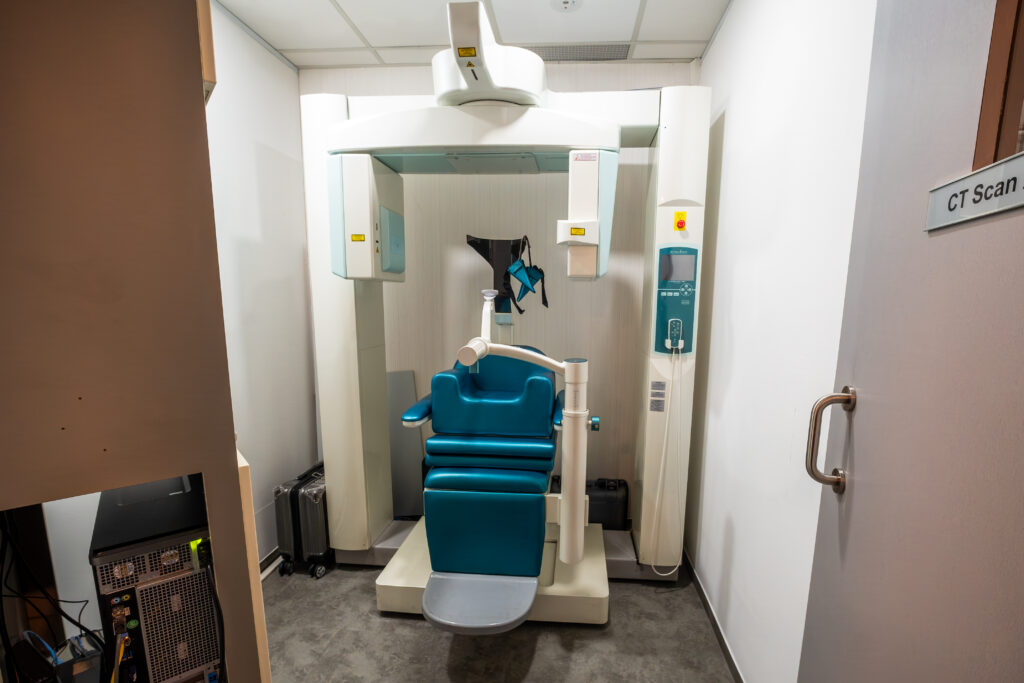
- Further tests or scans to look for an underlying cause
- Treatment of conditions such as infection, fluid or wax blockage
- Hearing aids fitted to your hearing pattern
- Referral for surgical evaluation if a structural problem is found
Hearing Assessments for Children and Elderly Patients in Singapore
Children and older adults often need an adapted approach, and families are welcome to stay with them throughout.
Paediatric hearing tests
Testing methods depend on a child’s age:
- Newborns: Screening with OAE or ABR, often before leaving hospital.
- Babies and toddlers: Behavioural observation, watching how they respond to sounds.
- Young children: Play audiometry, where the child drops a block or places a toy when they hear a sound.
- Older children: Standard headphone-based testing.
Children learn speech by listening. Undetected hearing difficulties may affect language, learning and social development.
Hearing assessments for older adults
Gradual hearing change is common with age, and it is nothing to be embarrassed about. Testing is generally straightforward, and the clinical team can go at a pace that suits you. Short breaks, clear instructions and a family member’s company are all welcome.
Hearing has also been linked with communication, social connection and, according to ongoing research, thinking and memory.
When Might a Child’s Hearing Be Checked?
- At birth: Newborn hearing screening.
- If speech or language seems delayed: Or if speech is hard to understand.
- Before starting school: A check may help support learning and listening in class.
- After recurrent ear infections: Or if fluid in the middle ear is suspected.
- Any time a parent has a concern: A doctor can help determine whether a hearing check is suitable.
Habits That May Support Hearing Health
Some habits that may support hearing health include:
- Discussing regular hearing checks with your doctor, even when you feel well.
- Keeping earphone volume at a moderate level and taking listening breaks, which a healthcare professional can advise on.
- Using ear protection in loud places, such as at concerts or on worksites, which may be relevant for some people.
- Keeping a simple record of symptoms, including when they occur and which ear is affected, which may help your specialist.
- Sharing any concerns with your specialist.
When to Seek Professional Help
Most hearing changes develop slowly and can be assessed at a routine appointment.
Some situations may need earlier assessment. Speaking with a healthcare professional may be helpful if you notice:
- Sudden hearing loss in one or both ears
- Hearing loss with dizziness, vertigo or tinnitus
- Ear pain or discharge
- A child who does not respond to sounds or whose speech is not developing as expected
- Gradual difficulty hearing with no obvious cause
Sudden hearing loss is generally something doctors prefer to assess promptly .
Early assessment may help your doctor identify the cause and discuss appropriate next steps. Depending on your symptoms, further ear, hearing and balance care may be recommended.
Commonly Asked Questions
Is a hearing test painful or uncomfortable?
Hearing tests are non-invasive, and many people find them comfortable. You listen to sounds through headphones and respond. During tympanometry, you may feel a brief sense of pressure in the ear, which usually passes quickly. Patients can let the clinician know if they feel any discomfort.
How often should I have my hearing checked?
A baseline test can give a reference point for future comparison. If you are over 50–60, work in noisy environments or have risk factors such as a family history of hearing loss, more frequent checks may be worth discussing with your doctor. Your specialist can suggest a schedule that suits you.
Can I get a hearing test without a referral in Singapore?
Many ENT specialist clinics in Singapore accept direct bookings without a referral, though requirements vary by clinic.
What is the difference between a hearing screening and a full hearing assessment?
A screening is a quick pass-or-refer check that shows whether you hear certain sounds at set levels. A full assessment covers more. It measures hearing across pitches, tests speech understanding, and checks the middle ear. It also helps identify the type, degree and possible cause of any hearing loss.
Will I need hearing aids if my test shows hearing loss?
Not necessarily. Not all hearing loss needs hearing aids. Treatment depends on the type and cause. Some conditions, such as wax blockage or middle ear fluid, may be treated directly. Your specialist can discuss suitable options with you.
Next Steps
Some people find it helpful to note down symptoms they have noticed, such as difficulty in noisy places or ringing in the ears. Writing down questions for your specialist, and bringing along someone you trust, may also be helpful.
If you would like to learn more about your hearing, you may wish to explore the hearing and ear services at Ascent ENT.