September 15, 2026
Sleep Apnoea vs Simple Snoring: Key Differences

Snoring is a common sleep complaint in Singapore, and it is easy to dismiss as a minor nuisance. Understanding whether that nightly noise is harmless or a sign of something more serious may make a meaningful difference to long-term health.
What Patients in Singapore Should Understand
Many people in Singapore live with snoring for years, assuming it is simply part of how they sleep. In some cases, that assumption is correct. In others, the snoring may be a signal of obstructive sleep apnoea (OSA), a condition in which breathing repeatedly stops during sleep. The two may sound similar, but their implications for health can be very different.
Why Not All Snoring Is the Same
Snoring is the sound produced when air passing through a partially narrowed airway causes the surrounding soft tissues to vibrate. Obstructive sleep apnoea (OSA) is a sleep disorder in which the upper airway repeatedly collapses during sleep, causing breathing to pause for ten seconds or longer, often many times each hour.
Think of your airway like a garden hose. Simple snoring is like a hose with a gentle kink: water still flows through, but the restriction causes a rattling noise. OSA is like a hose that pinches completely shut: flow stops entirely, pressure builds, and the blockage has to be cleared before things can continue. That repeated stop-and-start pattern is what makes OSA a medical concern rather than just a social one.
How the Airway Behaves During Simple Snoring
During simple snoring, the airway remains open throughout the night. The soft palate (the fleshy tissue at the back of the roof of your mouth), the uvula (the small dangling tissue at the back of the throat), or the tongue may relax and partially narrow the passage. Air still moves through continuously, but the vibration of these tissues creates the characteristic snoring sound. Breathing is not interrupted, and blood oxygen levels generally remain stable.
What Happens During an Obstructive Sleep Apnoea Episode
During an OSA episode, the airway does not just narrow; it collapses. The muscles supporting the throat relax to the point where the walls of the airway press together and block airflow. The brain, sensing the drop in oxygen, sends a signal that briefly rouses the person from deep sleep just enough to restore muscle tone and reopen the airway. A person may gasp, choke, or shift position without ever fully waking. This cycle can repeat many times per hour, fragmenting sleep and reducing the quality of rest even when the total hours in bed seem adequate.
Telling the Difference Between Snoring and Sleep Apnoea
The key distinction is whether breathing actually stops. Simple snoring produces continuous, often rhythmic noise without pauses in breathing, while OSA involves repeated breathing interruptions followed by gasps, snorts, or sudden body movements. Because these episodes happen during sleep, many people with OSA are unaware of them.
The comparison below highlights features that patients and their families may wish to watch for.
| Feature | Simple Snoring | Obstructive Sleep Apnoea |
|---|---|---|
| Sound pattern | Continuous, rhythmic noise | Loud snoring interrupted by silences |
| Breathing pauses | None | Yes, repeated pauses of 10 seconds or longer |
| Daytime sleepiness | Uncommon | Common, often significant |
| Morning headaches | Rare | Frequent |
| Frequency | May be occasional or positional | Usually occurs every night |
| Associated health risks | Generally low | Cardiovascular, metabolic, and cognitive risks |
Symptoms You Might Notice Yourself
You may not realise your breathing is stopping during sleep, but the body often leaves clues during waking hours. It may be worth reflecting on whether you experience:
- Waking up feeling unrefreshed despite a full night in bed
- Persistent morning headaches that ease as the day progresses
- Excessive daytime sleepiness, including nodding off during routine activities
- Difficulty concentrating or remembering things
- Waking during the night with a dry mouth, sore throat, or a sensation of choking
- Mood changes, including irritability or low motivation
Simple snoring rarely causes these daytime symptoms. If you are snoring but sleeping soundly and waking up alert, the likelihood of OSA may be lower, though a professional assessment is the most reliable way to determine this.
Symptoms a Bed Partner or Family Member Might Spot
A bed partner is often the first to recognise OSA. They may observe:
- Loud, irregular snoring that suddenly goes quiet
- Visible pauses in breathing lasting several seconds
- Gasping, choking, or snorting sounds as breathing resumes
- Restless sleep, frequent repositioning, or kicking
- Breathing that appears to stop and restart repeatedly through the night
If someone who shares your sleeping space has mentioned any of these observations, it may be worth discussing them with a healthcare professional.
Why Sleep Apnoea Warrants Medical Attention
Simple snoring may disrupt a partner’s sleep, but it does not generally pose a direct medical risk to the person snoring. OSA is a different matter. When breathing repeatedly stops during sleep, the body may be placed under significant physiological stress night after night.
Cardiovascular and Metabolic Considerations
Each time breathing pauses, oxygen levels in the blood may dip and the body releases stress hormones to trigger arousal. This repeated stress response may place strain on the heart and blood vessels. OSA is associated with elevated blood pressure, increased strain on the heart, and a higher likelihood of developing metabolic conditions such as insulin resistance. For patients who already have existing health concerns, untreated OSA may compound those risks further.
Effects on Daily Life, Mood, and Concentration
The fragmented sleep associated with OSA may prevent the body from reaching the deep, restorative stages of sleep it needs. This can result in a form of chronic sleep deprivation, even when a person believes they are sleeping for a sufficient number of hours. In daily life, this may manifest as:
- Reduced alertness and slower reaction times, which raises safety considerations for driving and operating machinery
- Difficulty sustaining focus at work
- Emotional volatility, low mood, or heightened anxiety
- Strained relationships, particularly when a partner’s sleep is also disrupted
Who May Be at Higher Risk of Sleep Apnoea in Singapore?
OSA can affect people of all ages and body types, but certain factors may increase the likelihood.
Anatomical factors:
- Enlarged tonsils or adenoids (particularly in children)
- A deviated nasal septum (a crooked internal wall in the nose that restricts airflow)
- A recessed or small jaw, which reduces the space at the back of the throat
- Nasal polyps or chronic nasal congestion that forces mouth breathing during sleep
Lifestyle and general health factors:
- Excess body weight, particularly around the neck and upper airway
- Regular alcohol consumption, which relaxes throat muscles further
- Smoking, which can cause airway inflammation and swelling
- Sedative or sleeping tablet use
Demographic factors:
- Being male, particularly in middle age
- Advancing age, as muscle tone in the throat tends to decrease over time
- A family history of snoring or OSA
Some people have facial structures, including a smaller jaw and a relatively compact upper airway, that may predispose them to OSA even at lower body weights. OSA is not limited to patients who are significantly overweight.
How Sleep Apnoea Is Diagnosed
Sleep apnoea is diagnosed through a combination of clinical assessment and a sleep study. An ENT specialist will review your symptoms, medical history, and risk factors, and may examine your nose and throat to identify any structural issues that may be contributing to airway obstruction.
What to Expect During a Sleep Study
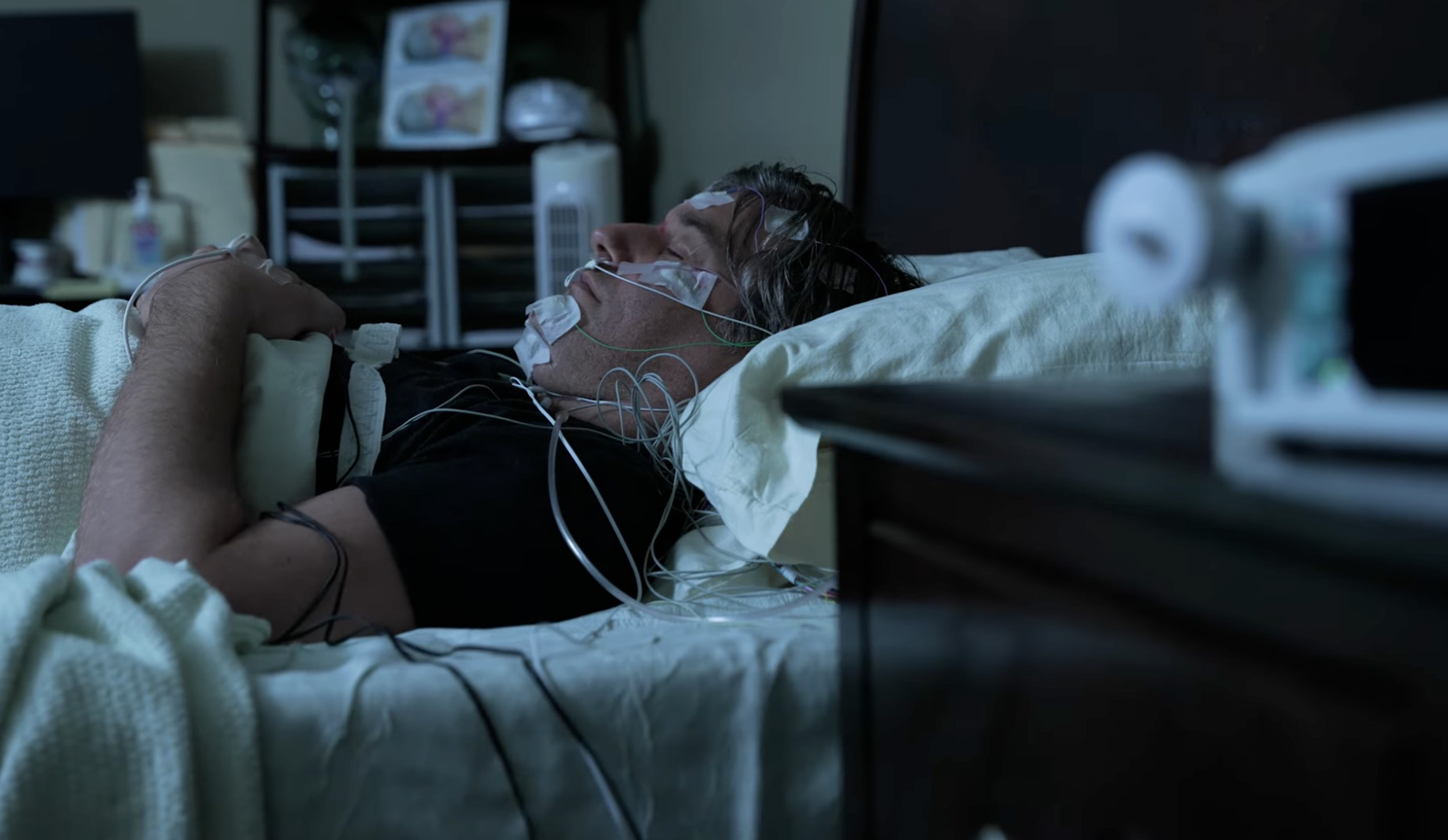
A sleep study measures what happens to your body while you sleep. There are two main formats:
- In-laboratory polysomnography (PSG): You spend a night in a sleep clinic where sensors monitor brain activity, breathing, oxygen levels, heart rate, and body movements. This provides detailed data.
- Home sleep testing (HST): A portable monitoring device is worn at home. It measures breathing patterns and oxygen levels while you sleep in your own environment. Home sleep tests are less intrusive than in-lab studies and may be suitable for many patients being assessed for OSA.
A doctor will advise which option is most appropriate based on your symptoms and clinical findings.
How ENT Specialists Identify the Source of Airway Obstruction
Beyond the sleep study, ENT specialists use specific tools to identify where in the airway obstruction is occurring. This matters because treatment should target the site of the problem.
- Nasoendoscopy: A thin, flexible camera is passed through the nose to examine the nasal passages, throat, and voice box. It is performed in the clinic and takes only a few minutes.
- Drug-induced sleep endoscopy (DISE): A light sedative is used to replicate the muscle relaxation that occurs during sleep, while a camera examines the airway. This allows the doctor to observe the dynamic collapse pattern of the airway, providing information that can guide surgical planning.
Treatment Options for Snoring and Sleep Apnoea
Treatment depends on whether a patient has simple snoring or confirmed OSA, and on the severity and anatomical cause of the obstruction. An ENT specialist can assess the full picture before recommending a plan.
The table below provides an overview of the main treatment approaches.
| Approach | How It Works | Suitable For |
|---|---|---|
| Lifestyle modifications | Weight loss, reducing alcohol, changing sleep position | Mild OSA or positional snoring |
| CPAP therapy | A mask delivers continuous air pressure to keep the airway open | Moderate to severe OSA |
| Oral appliance (mandibular advancement device) | A custom mouthguard repositions the jaw to open the airway | Mild to moderate OSA; patients who find CPAP difficult to tolerate |
| Nasal surgery (e.g., septoplasty, turbinate reduction) | Corrects structural nasal blockages to improve airflow | Patients with nasal obstruction contributing to snoring or OSA |
| Uvulopalatopharyngoplasty (UPPP) | Removes or repositions soft tissue at the back of the throat | Patients with palatal obstruction |
| Tongue base procedures | Reduces or repositions tissue at the base of the tongue | Patients with tongue base collapse identified on DISE |
Conservative and Device-Based Approaches
For patients with mild snoring or mild OSA, conservative measures are often the starting point. Sleeping on one’s side rather than on the back may reduce airway collapse in some patients. Reducing alcohol intake, particularly in the hours before bed, may help maintain throat muscle tone during sleep. Weight management, where relevant, may reduce the severity of OSA in some patients.
CPAP (Continuous Positive Airway Pressure) therapy is a device that delivers a gentle stream of pressurised air through a mask worn during sleep, keeping the airway open throughout the night. It is considered an evidence-based option for moderate to severe OSA when used consistently.
Oral appliances, custom-fitted by a dentist or specialist, work by gently advancing the lower jaw forward during sleep, which increases the space at the back of the throat and may reduce the likelihood of collapse.
Surgical Options for Airway Obstruction
When a specific structural cause is identified, surgery may offer a targeted approach. Nasal surgery, such as septoplasty (straightening a deviated nasal septum) or turbinate reduction (reducing swollen bony structures inside the nose), addresses nasal blockages that may contribute to mouth breathing and worsen snoring.
Throat procedures such as UPPP address excess tissue at the soft palate and throat. For patients where tongue base collapse is identified as the primary obstruction site, tongue base procedures may be considered. Surgical planning is guided by the findings of nasoendoscopy and DISE, helping to direct intervention at the appropriate anatomical level.
Taking Charge of Your Sleep Health
A practical starting point is to keep a brief sleep diary for one to two weeks, noting how rested you feel each morning, whether you experience headaches, and how alert you are during the day.
If you share a bedroom, you may wish to ask your bed partner to pay attention to pauses in your breathing, gasping sounds, or irregular snoring patterns. Their observations can be useful information to share with a doctor.
Persistent loud snoring combined with daytime tiredness, unrefreshing sleep, or morning headaches may be worth discussing with a healthcare professional.
When to Seek Professional Help
- Witnessed breathing pauses during sleep, even if brief
- Gasping, choking, or snorting sounds at night
- Excessive daytime sleepiness that affects work, driving, or daily activities
- Morning headaches that occur frequently
- Waking up feeling unrefreshed despite sleeping for seven or more hours
- Difficulty concentrating, memory lapses, or unexplained mood changes
Children deserve particular mention. Loud snoring in a child is not typical and may be worth discussing with a healthcare professional. Children who snore loudly, breathe through their mouth at night, or appear restless during sleep may have enlarged adenoids or tonsils contributing to airway obstruction. An ENT specialist can assess this and advise on appropriate management.
An ENT specialist is well placed to evaluate both the structural and sleep-related dimensions of snoring and OSA, covering not only what is happening during sleep, but also why it may be happening anatomically.
Commonly Asked Questions
Can snoring in children be a sign of sleep apnoea?
Yes, children can develop OSA. In children, a frequent contributing cause is enlarged adenoids (soft tissue at the back of the nasal passage) or enlarged tonsils, both of which can narrow the airway during sleep. If your child snores loudly, breathes through their mouth at night, or seems unusually tired or inattentive during the day, an assessment by a paediatric ENT specialist may be worthwhile.
Does losing weight resolve sleep apnoea?
Weight loss may reduce the severity of OSA and, in some cases, may contribute to its resolution. Excess weight around the neck and upper airway can increase pressure on the throat during sleep, so reducing that load may help. However, anatomical factors such as jaw structure, nasal obstruction, or tonsillar size may contribute independently of weight. For some patients, weight loss alone may not be sufficient, and additional treatment targeting a structural cause may still be needed. A healthcare professional can help assess the full picture.
Is a sleep study uncomfortable or difficult to do?
Many patients find sleep studies more manageable than they anticipate. Home sleep testing involves wearing a small, lightweight device on your wrist or finger and a sensor around your chest while sleeping in your own bed. It does not require an overnight stay in a clinic. In-laboratory studies involve more sensors but are conducted in a quiet environment, and the clinical team works to help patients feel settled before monitoring begins.
How do I know if my snoring is getting worse?
Gradual changes in snoring can be difficult to notice on your own. Asking a bed partner or family member to pay attention to the sound and pattern of your snoring over time is one practical approach. A sleep diary that tracks morning symptoms, such as headaches, dry mouth, and energy levels, may also help reveal a pattern of change. If daytime tiredness appears to be increasing, or a bed partner reports new pauses in your breathing, these observations may be worth discussing with a healthcare professional.
Can sleep apnoea return after treatment?
Recurrence is possible, particularly if lifestyle factors change after treatment. Weight gain is one reason OSA may return or worsen following successful management. Ongoing follow-up with a specialist, maintaining a healthy weight, and avoiding alcohol close to bedtime may help sustain the benefits of treatment. If symptoms return, a repeat evaluation can help identify whether further assessment or intervention is needed.
Next Steps
If anything in this article sounds familiar, whether it is your own symptoms or something a family member has described, it may be helpful to reflect on the full picture. Consider how you feel when you wake up, how alert you are during the day, and whether anyone has ever mentioned pauses in your breathing.
Discussing these observations with a bed partner or family member can help you build a clearer account of what is happening during sleep. From there, a consultation with an ENT specialist with experience in both sleep medicine and airway anatomy may be helpful for assessment.
Learn More About Snoring and Sleep Apnoea Care
If you would like to understand more about the assessment and management of snoring and sleep apnoea in Singapore, the Ascent ENT team offers specialist evaluation covering both the structural and sleep medicine dimensions of these conditions.