
Comprehensive Services
Providing the highest standard of ENT care in Singapore and the region.

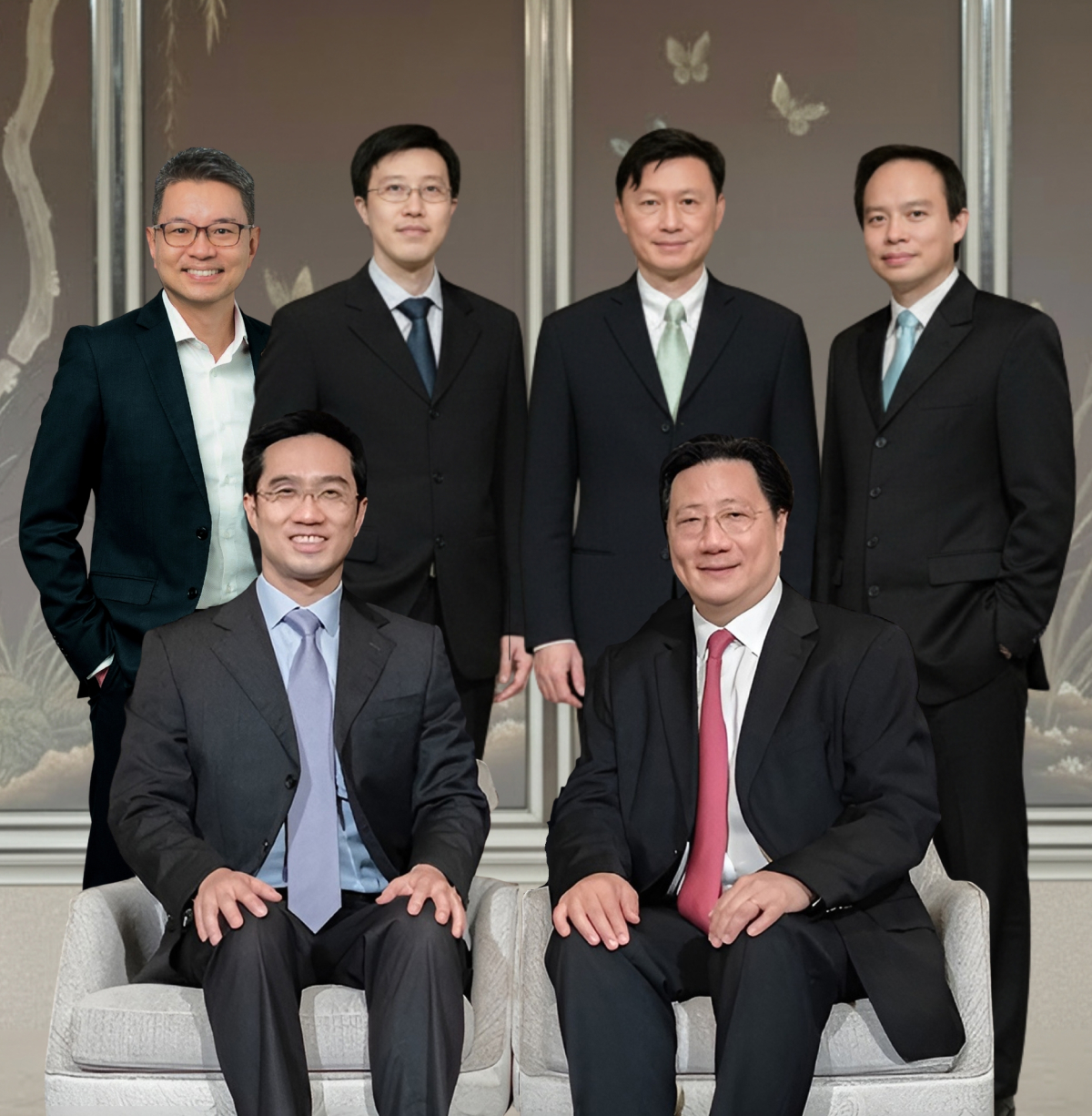
Accredited Specialists
Senior ENT surgeons with internationally-recognised fellowship training.

Convenient Locations
3 Clinics conveniently located in Orchard, Thomson, and Joo Chiat.

When Do I Need Balloon Sinuplasty?
Balloon sinuplasty is recommended if you:
-
Have chronic or recurring sinus infections that have not been responding well to medication
-
Are persistently struggling with sinusitis symptoms such as nasal congestion, coughing and headaches.
You are also a good candidate for balloon sinuplasty if your sinusitis is not caused by an underlying structural issue such as a deviated septum or nasal polyps.
What Is Balloon Sinuplasty?
Balloon sinuplasty is a minimally invasive technique to treat chronic sinusitis and improve ventilation to the sinuses by dilating the sinus openings using a small balloon. This method is typically used when medical therapy is ineffective in relieving sinusitis symptoms.
Possible Risks & Complications
As with any other nasal procedure, there are always side effects observed.
Some of the possible side effects include:
-
Nasal congestion
-
Nose bleeding
-
Bacterial sinusitis
-
Relapse of sinusitis symptoms
For Singaporeans & Singapore Permanent Residents
Insurance & Medisave Partners
Certain ENT procedures are claimable under Medisave, and the exact amount would depend on the procedure. For more information, please speak to our friendly clinic staff about using your insurance plan, Integrated Sheild Plan, or Medisave.
Please note: All three Ascent ENT clinics and all our doctors are recognized Prudential Panel providers, making it easier for Prudential policyholders to access specialist ENT care across our network. Please verify your specific plan coverage with Prudential before booking.

















What Happens During Balloon Sinuplasty?
Before the procedure, your doctor will likely use a computed tomography (CT) scan to confirm that balloon sinuplasty is an appropriate treatment for your condition.
Balloon sinuplasty is typically performed under general anaesthesia. Your doctor will then thread a guidance wire and balloon catheter through the nostril and into the sinus cavity. This is done using nasendoscopy (inspection of the inside of your nasal passages and sinuses using an endoscope) and an image-guided surgery (IGS) system. The balloon is then inflated to expand the sinus opening and gently unblock the sinus.
Lastly, the balloon will be deflated and removed before your doctor proceeds to suction out any pus or debris from the sinus and flush it with saline water until it is clean. You should feel minimal discomfort during the entire procedure.
When the procedure is complete, you will be observed for a while for any side effects before you are allowed to go home.
What To Expect Afterwards?

Following balloon sinuplasty, your doctor will advise you on specific postoperative instructions on how to care for yourself during the recovery period. It is common to experience nasal drainage and mild discomfort in the nasal area, which can generally be treated with saline rinses and over-the-counter medication prescribed by your doctor. You should also avoid strenuous activities for a week after the balloon sinuplasty procedure.
Your doctor will also likely schedule follow-up appointments after the procedure to ensure that there are no severe complications and to assess your general nose health.
When Should You See An ENT Specialist In Singapore??
-
Any Ear, Nose or Throat symptoms that you are troubled with or concerned of
-
Persistent blocked nose with mouth breathing or snoring
Visit Us Today
Our Clinic
Visit us at any of our 3 convenient locations in Singapore!
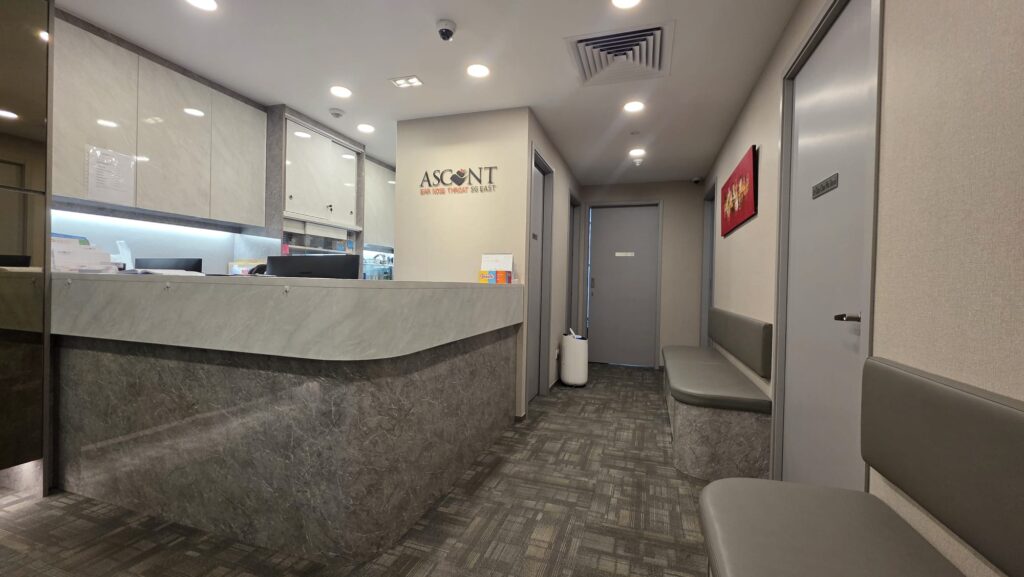
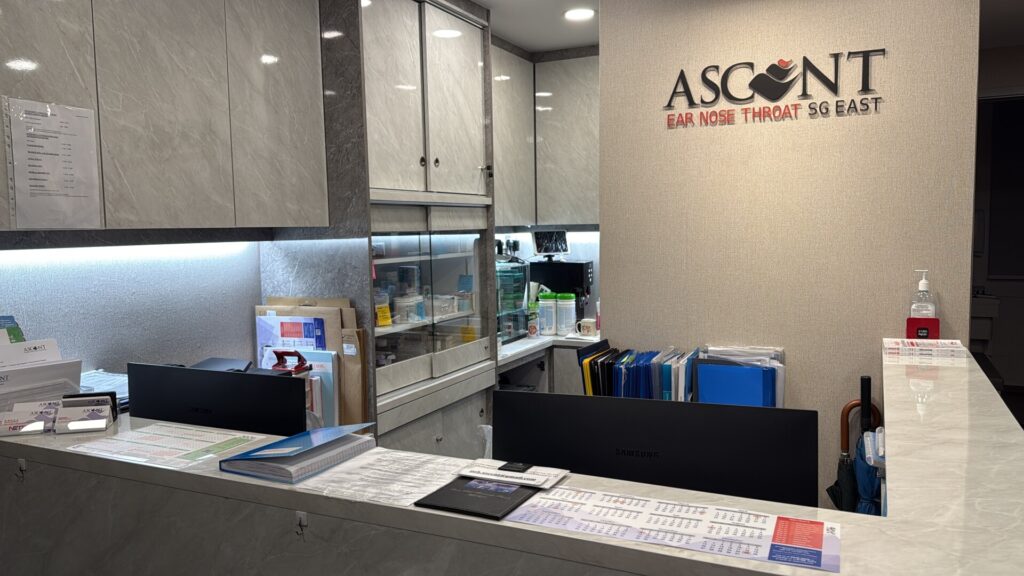
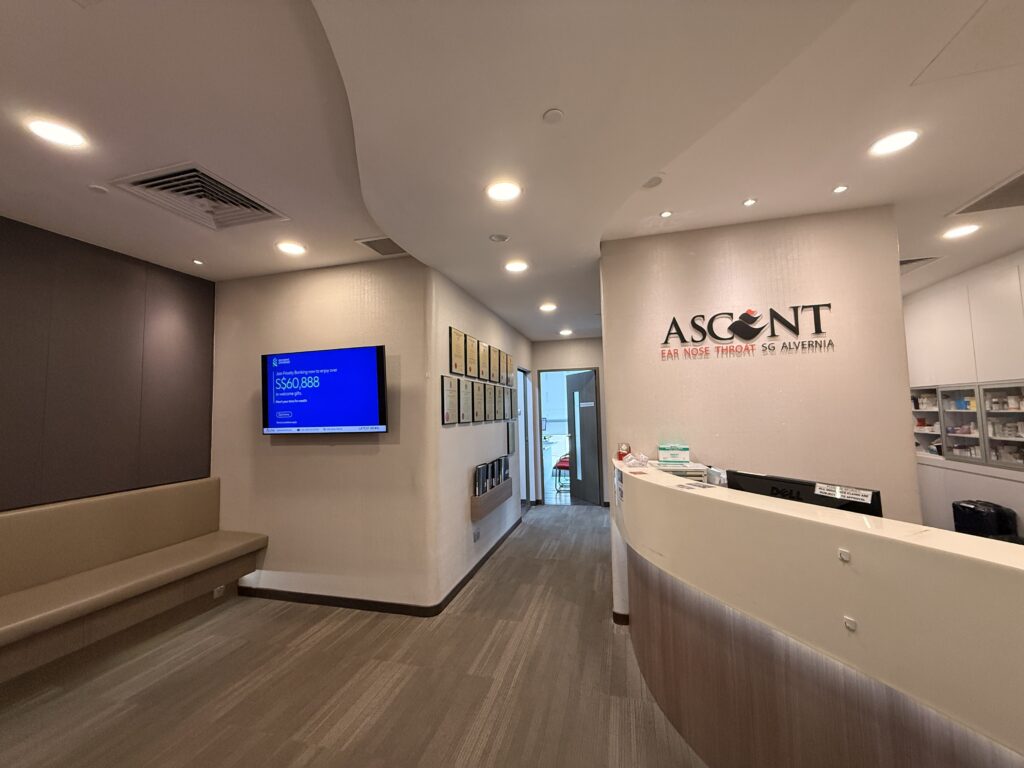
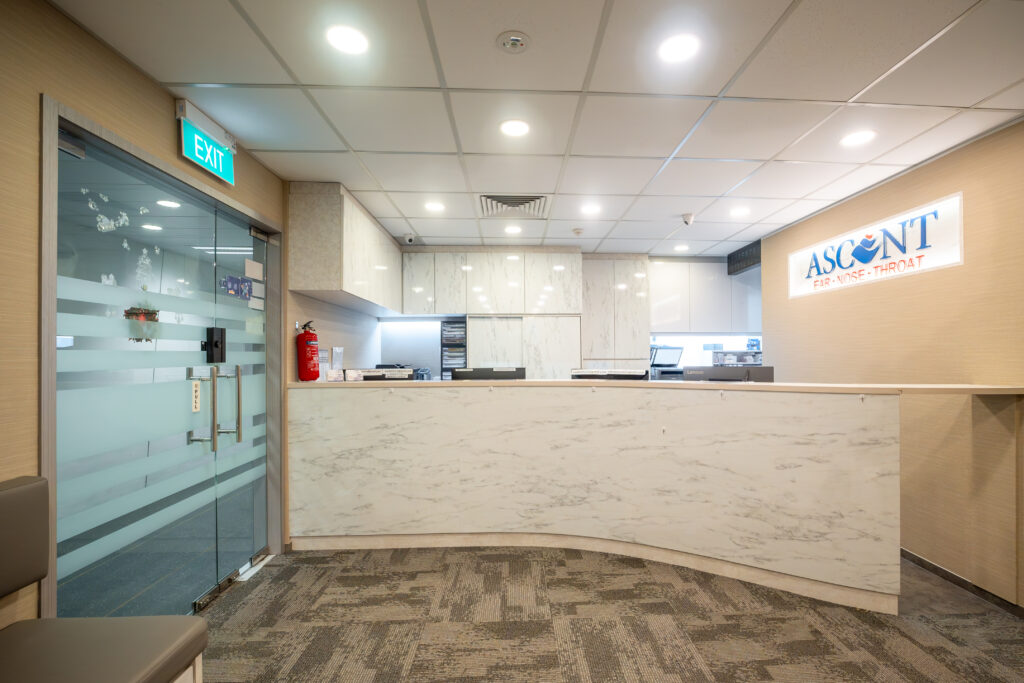
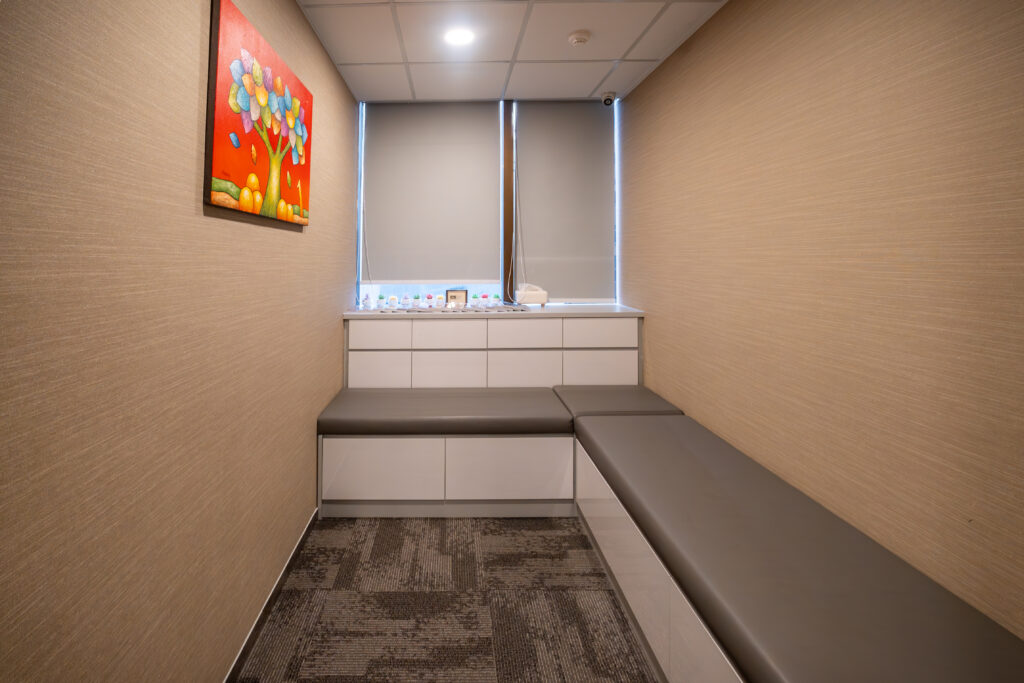
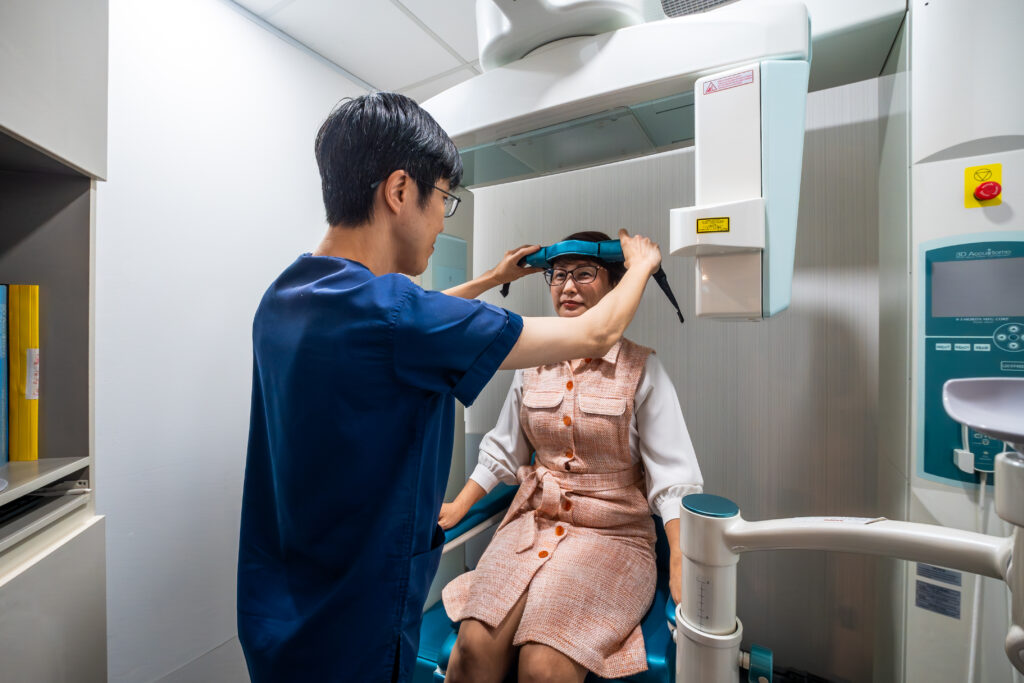
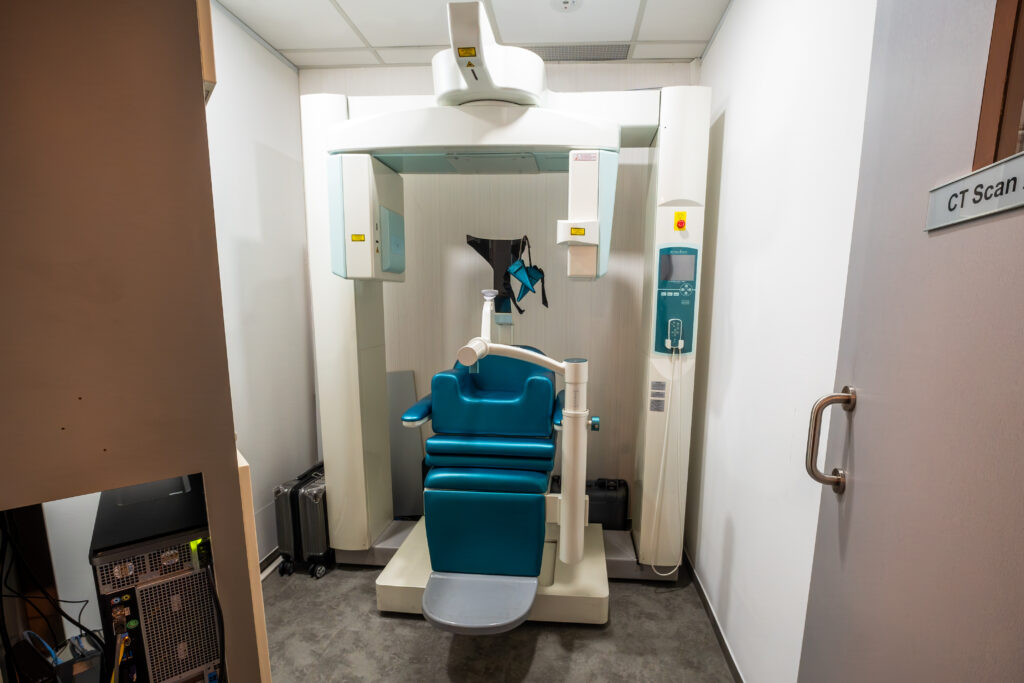
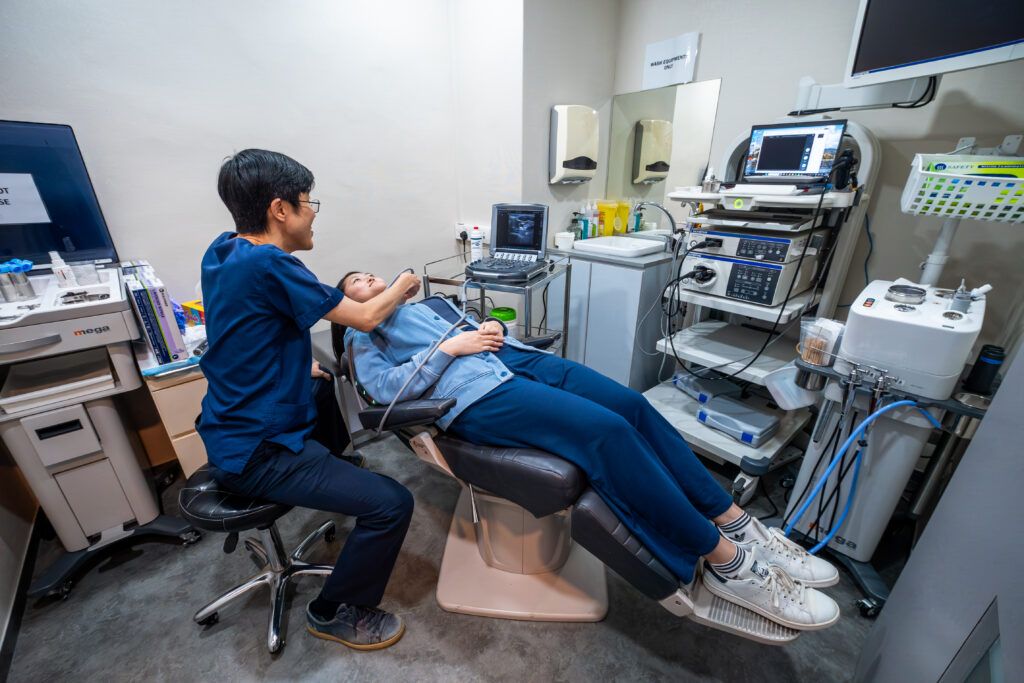
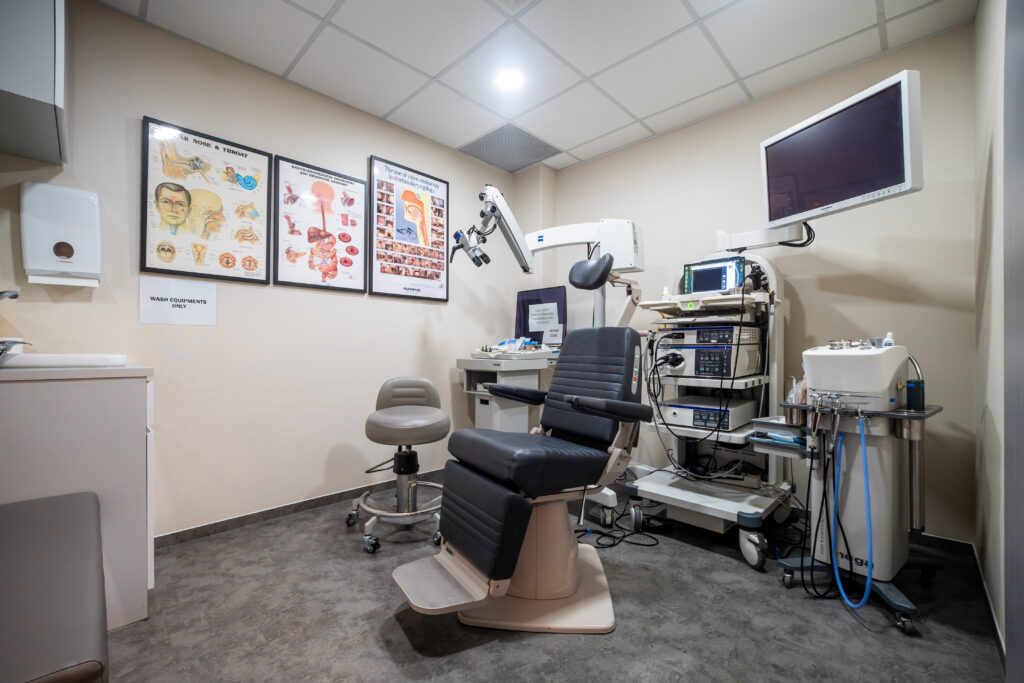
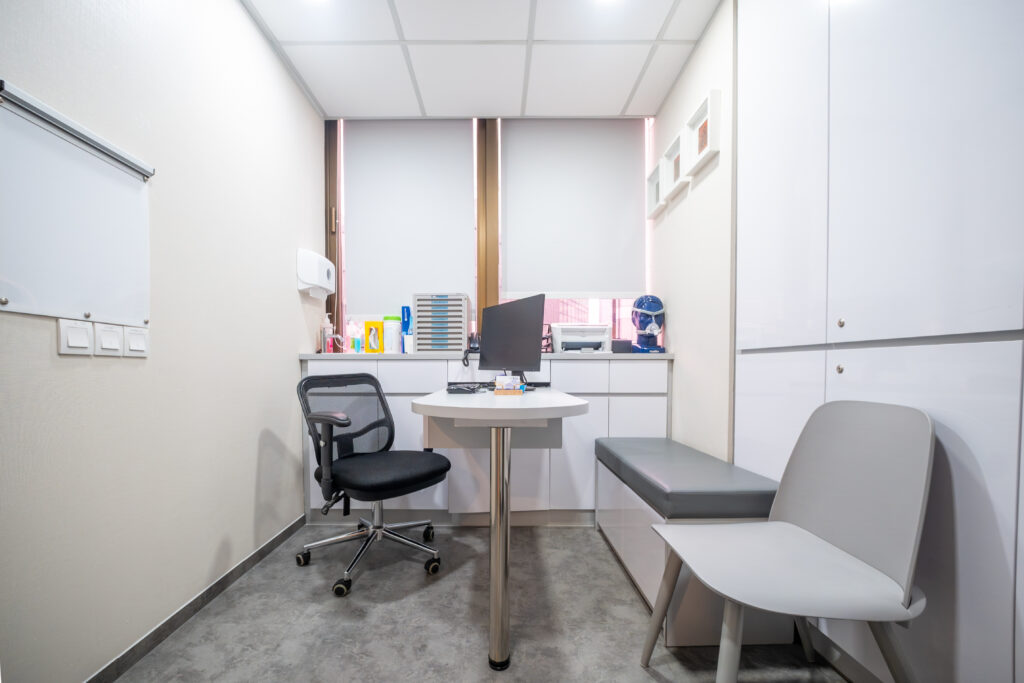
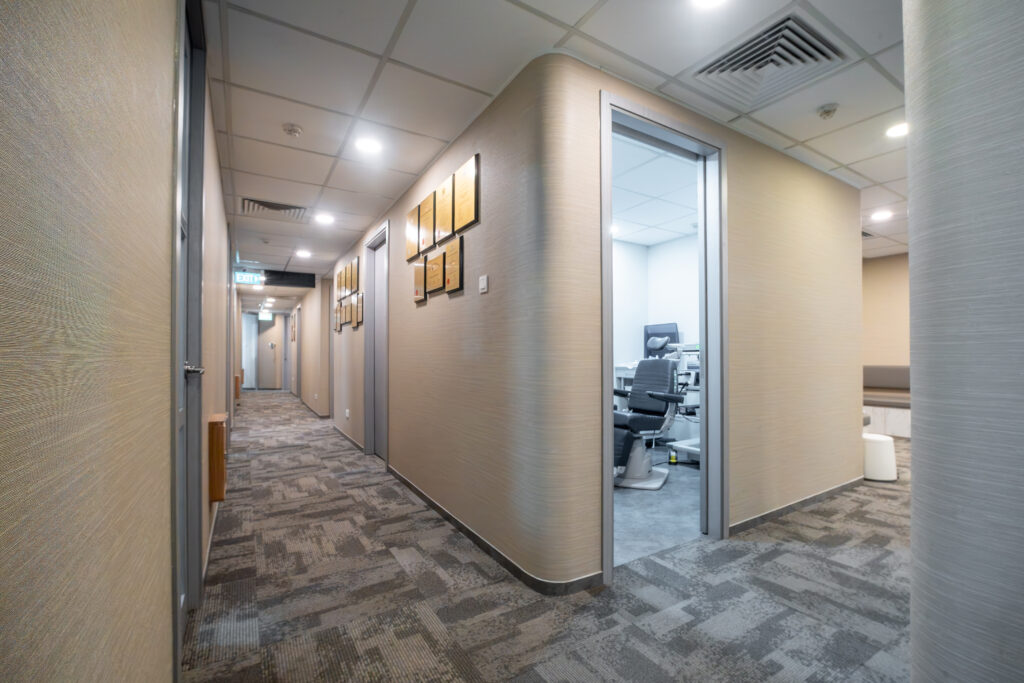
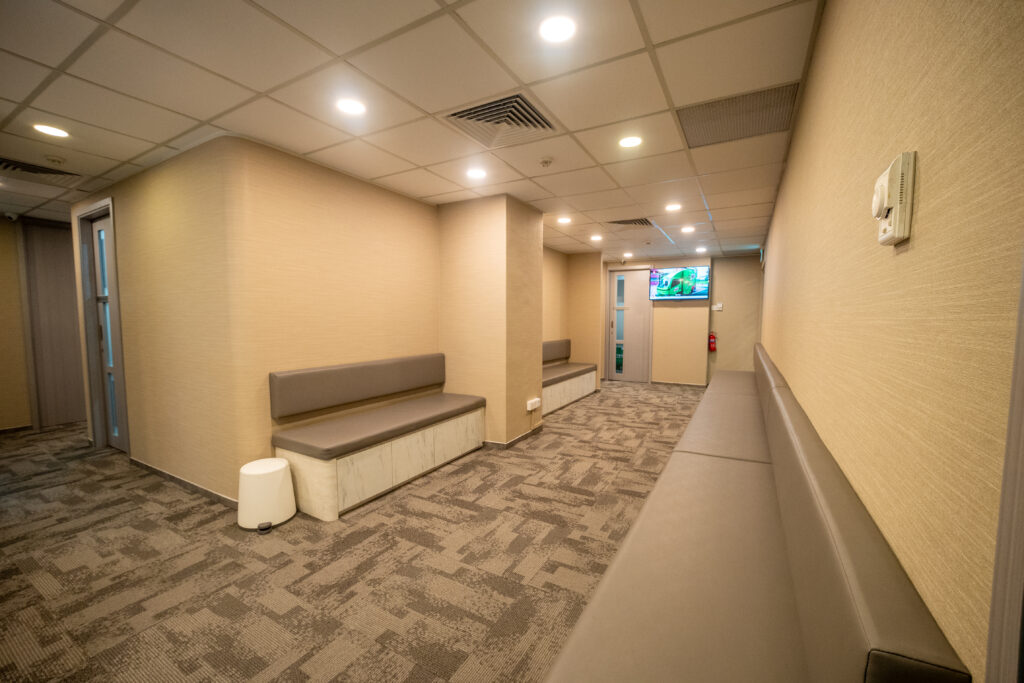
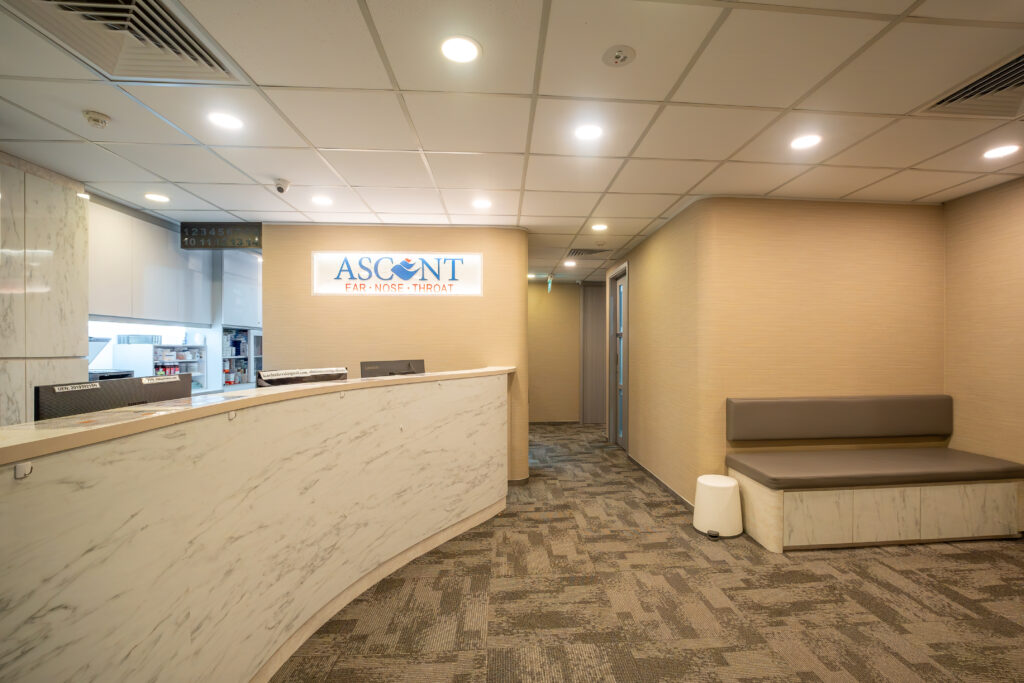

Our Main Clinic
Feel free to drop by our clinic and meet our specialist
-
Mount Elizabeth Medical Centre
3 Mount Elizabeth #09-03/04/05
Singapore 228510 -


Other Practice Locations
Parkway East Medical Centre
-

319 Joo Chiat Place #03-02 Singapore 427989
-

-
Mount Alvernia Medical Centre D
-
820 Thomson Road #08-63 Singapore 574623
-
-
Frequently Asked Questions
Is balloon sinuplasty painful?
No, balloon sinuplasty is typically not painful. As balloon sinuplasty is a minimally invasive procedure, most people might only experience a mild discomfort and a slight sense of pressure in the nose.
How long will I take to recover after balloon sinuplasty?
You will be required to rest at home for about 24 to 48 hours after your balloon sinuplasty procedure. During this period, you should avoid blowing your nose as there may be bloody drainage and discharge. However, these symptoms should subside within a week.
When should I see my healthcare provider after balloon sinuplasty?
Most people who have balloon sinuplasty might notice some bloody drainage from their noses, which is completely normal. However, you should visit your doctor if your nosebleed persists for an extended period of time and you cannot control the bleeding.
Depending on your doctor, you may also be required to go for follow-up appointments after balloon sinuplasty to ensure that you are recovering properly and that there are no abnormal side effects.