Ascent Ear Nose & Throat
Pseudocyst Ear Treatment In Singapore
Surgery for pseudocyst of the ear involves removing the perichondrium (a dense layer of fibrous connective tissue that covers the cartilages in the body) forming the roof of the pseudocyst.


Comprehensive Services
Providing the highest standard of ENT care in Singapore and the region.

Accredited Specialists
Senior ENT surgeons with internationally-recognised fellowship training.

Convenient Locations
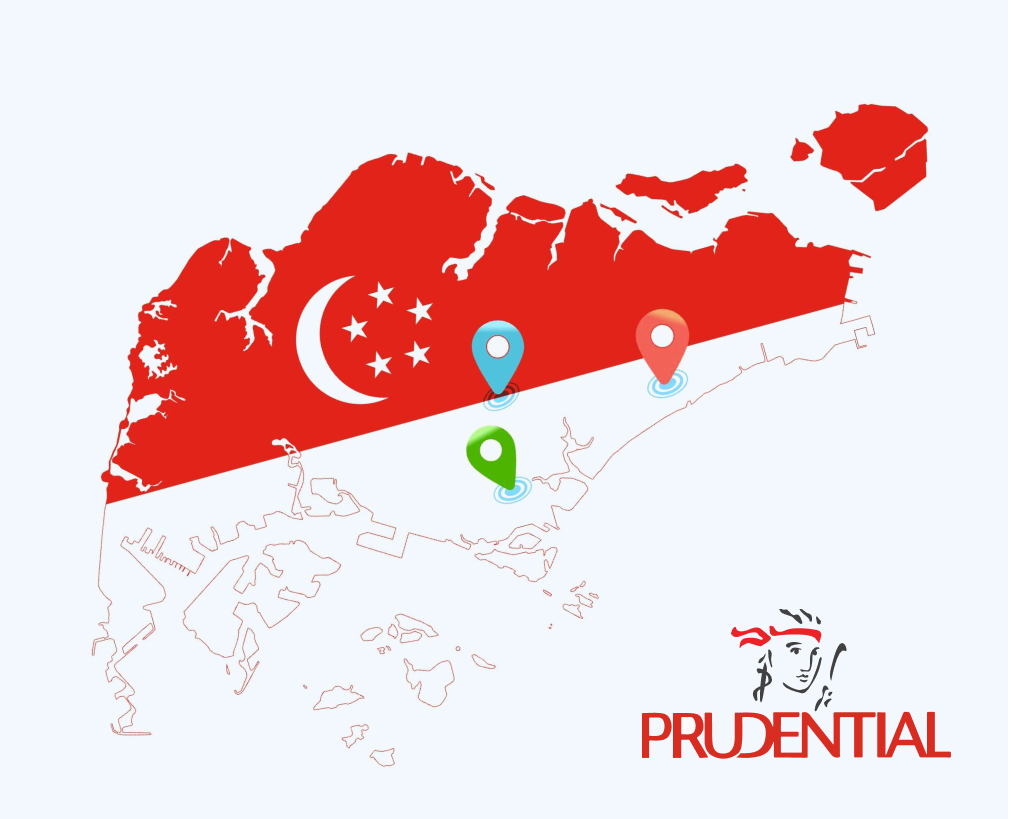
3 Clinics conveniently located in Orchard, Thomson, and Joo Chiat.

When & Why Do I Need Surgery For Pseudocyst Of The Ear?
Generally, surgery for pseudocyst of the ear is recommended if non-surgical procedures such as icing or simple fine-needle aspiration of the cyst fluid are not effective in reducing swelling.
Surgery is also the only permanent solution to treat pseudocyst of the ear, especially if the fluid that builds up hardens.
What Is Surgery For Pseudocyst Of The Ear?
Pseudocyst of the ear, commonly known as cauliflower ear, is a condition where there is swelling of the auricle of the ear (outer ear) due to blood pooling in the area. Pseudocyst of the ear typically occurs due to a direct blow or trauma to the outer ear, disrupting normal blood flow.
Surgery for pseudocyst of the ear involves removing the perichondrium (a dense layer of fibrous connective tissue that covers the cartilages in the body) forming the roof of the pseudocyst. Alternatively, your doctor may remove some cartilage or use stitches to reshape your ear.
Possible Risks & Complications
As with any other surgical procedure, there are always side effects observed, including:
-
Infection at the incision site
-
Bleeding
-
Scarring
For Singaporeans & Singapore Permanent Residents
Insurance & Medisave Partners
Certain ENT procedures are claimable under Medisave, and the exact amount would depend on the procedure. For more information, please speak to our friendly clinic staff about using your insurance plan, Integrated Sheild Plan, or Medisave.
Please note: All three Ascent ENT clinics and all our doctors are recognized Prudential Panel providers, making it easier for Prudential policyholders to access specialist ENT care across our network. Please verify your specific plan coverage with Prudential before booking.

















What Happens During The Surgery?
During the surgery, your doctor will administer a local or general anaesthetic before making a small incision to remove the perichondrium (a dense layer of fibrous connective tissue that covers the cartilages in the body) forming the roof of the pseudocyst.
Your doctor may also perform a corrective surgery called otoplasty, where they will cut out the newly formed scar tissue of the pseudocyst and stitch the wound up. In rare cases where the cartilage has hardened, and the scar tissue has settled in, your doctor may reconstruct the ear cartilage by taking cartilage from the ribs.
After surgery, a compressive dressing will be put on to ensure that fluid does not accumulate under the skin. You will then be brought to a recovery room, where your vital signs will be observed as the anaesthetic slowly wears off.
What To Expect Afterwards?

Following the surgery, your doctor will likely advise you on some postoperative instructions on treatment and care during recovery.
Your doctor may also schedule follow-up appointments to track your healing progress.
When Should You See An ENT Specialist In Singapore??
-
Any Ear, Nose or Throat symptoms that you are troubled with or concerned of
-
Persistent blocked nose with mouth breathing or snoring
Visit Us Today
Our Clinic
Visit us at any of our 3 convenient locations in Singapore!
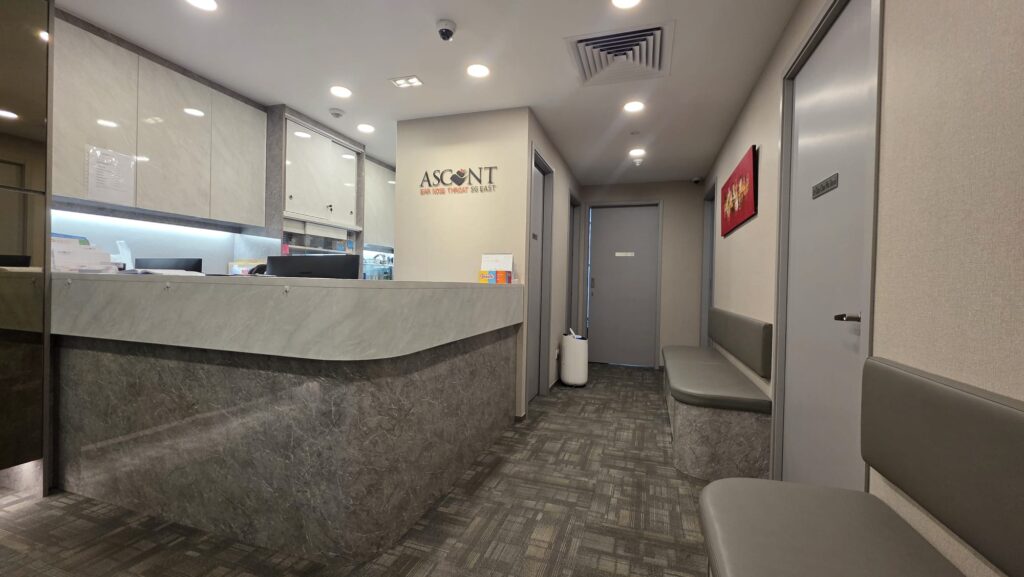



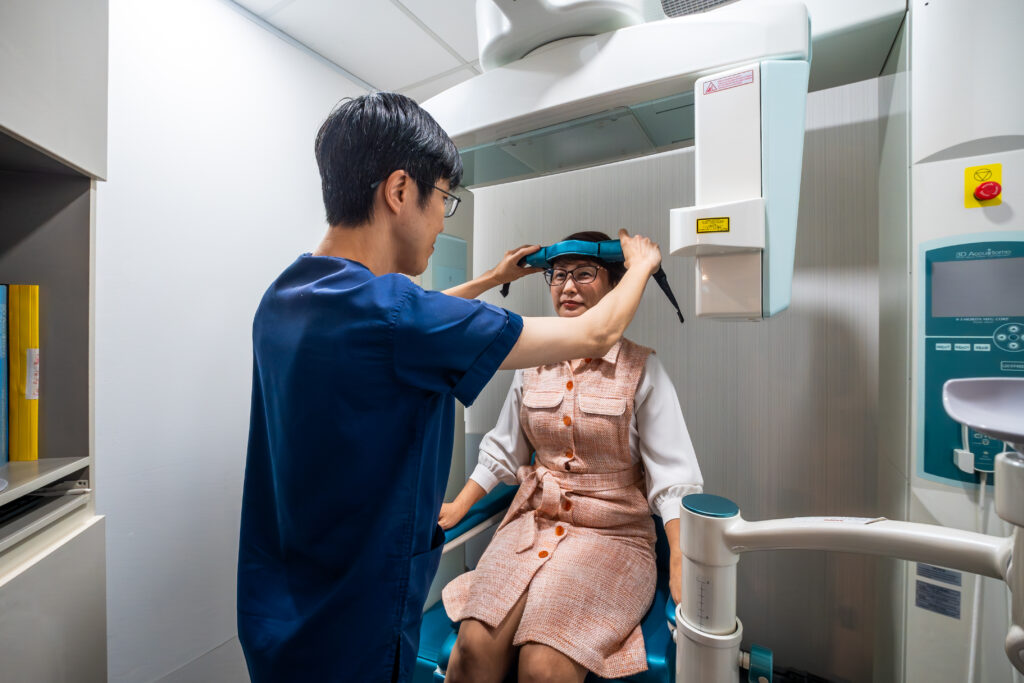
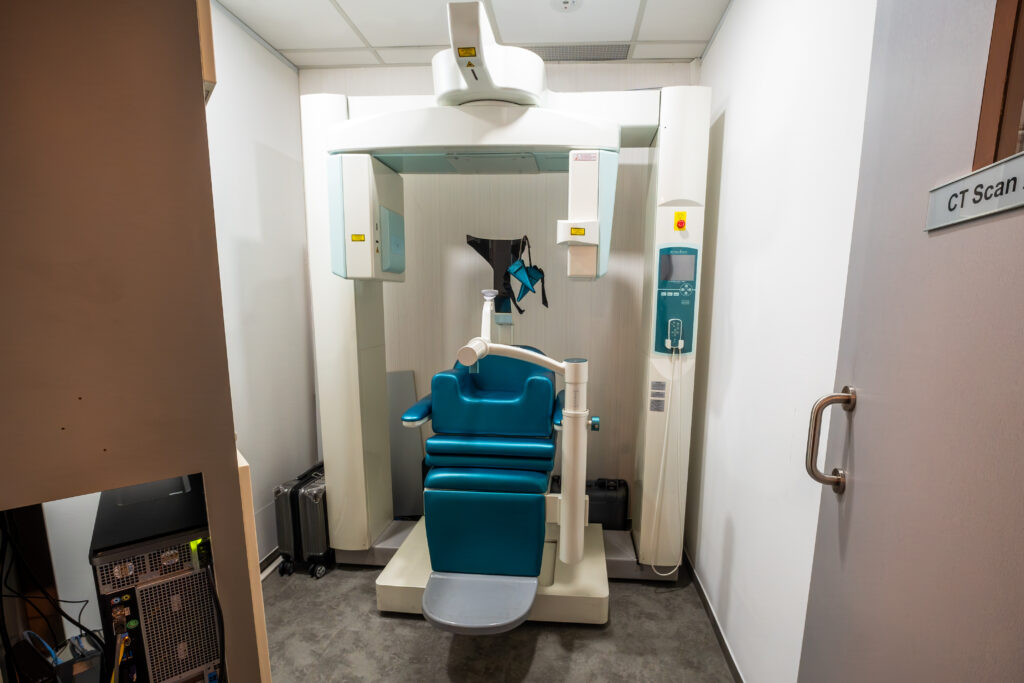
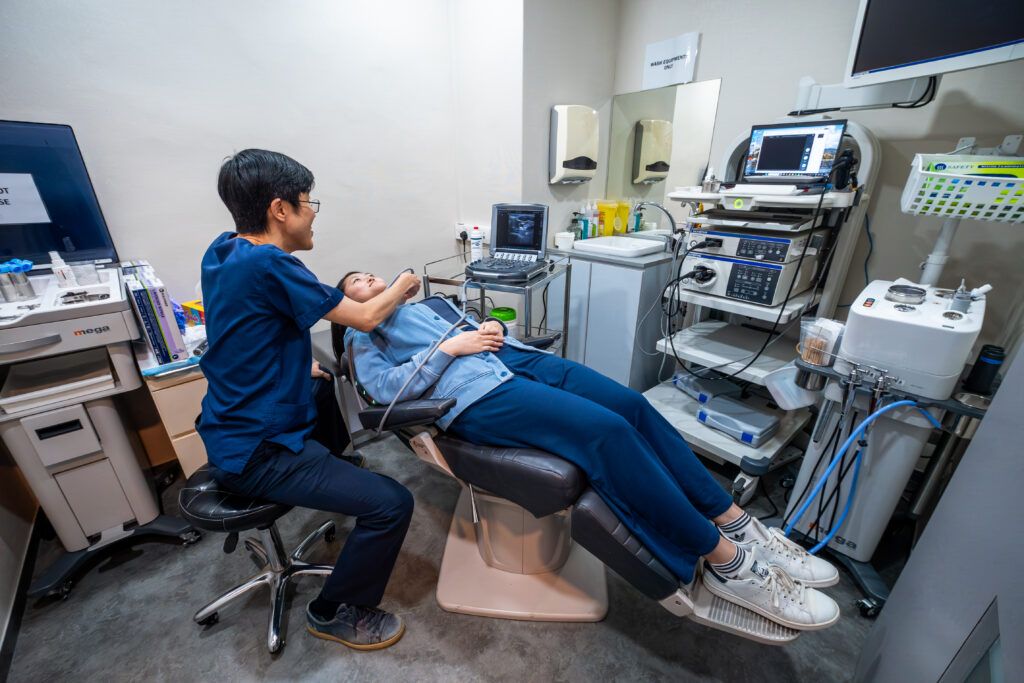
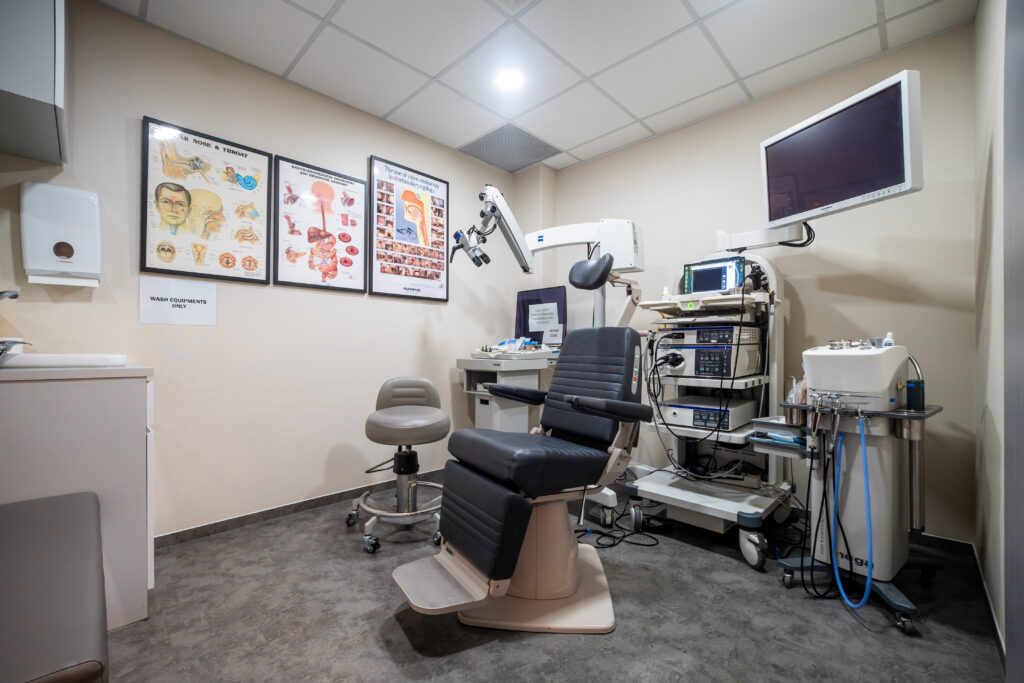



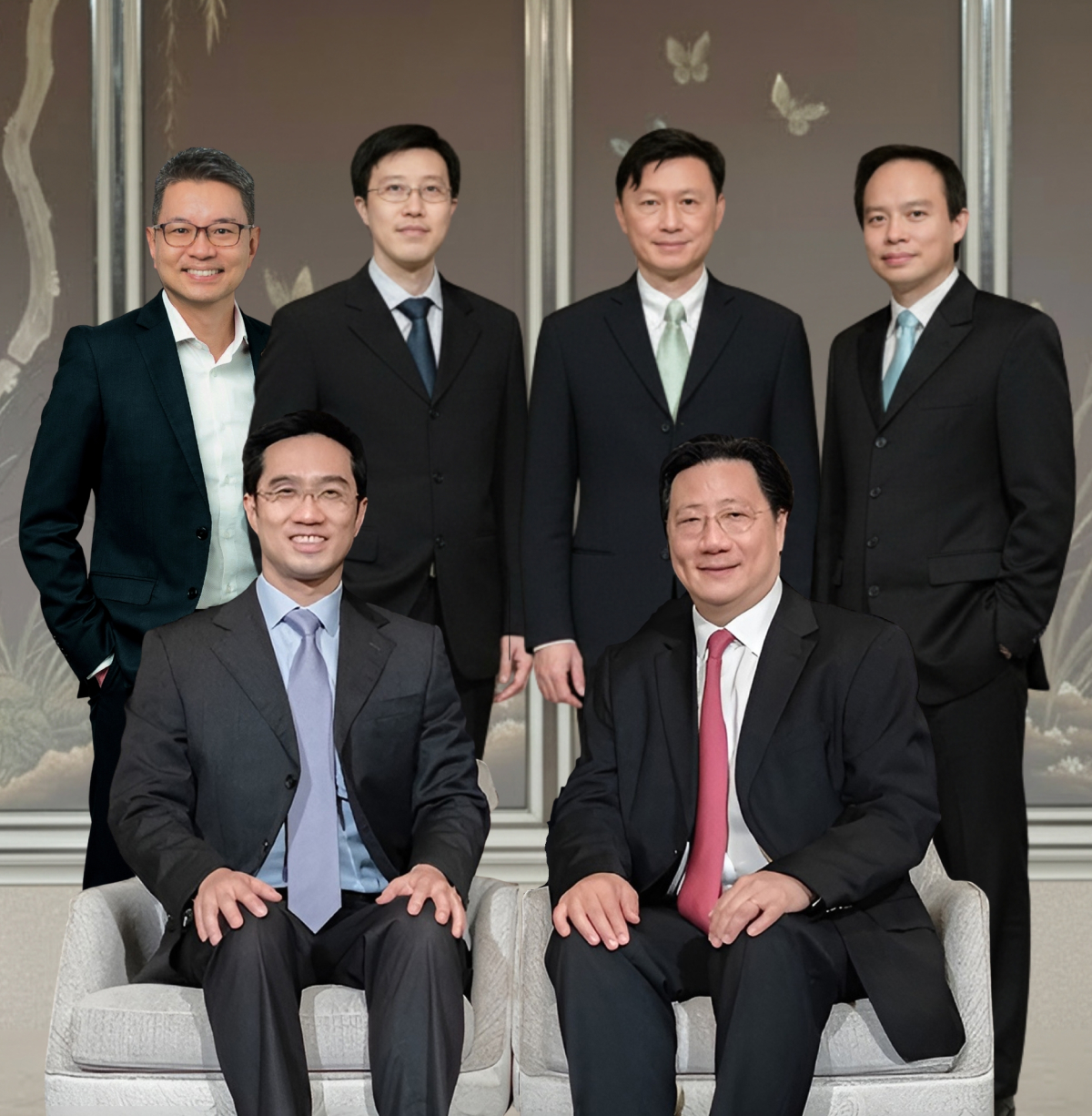

Our Main Clinic
Feel free to drop by our clinic and meet our specialist
-
Mount Elizabeth Medical Centre
3 Mount Elizabeth #09-03/04/05
Singapore 228510 -


Other Practice Locations
Parkway East Medical Centre
-

319 Joo Chiat Place #03-02 Singapore 427989
-

-
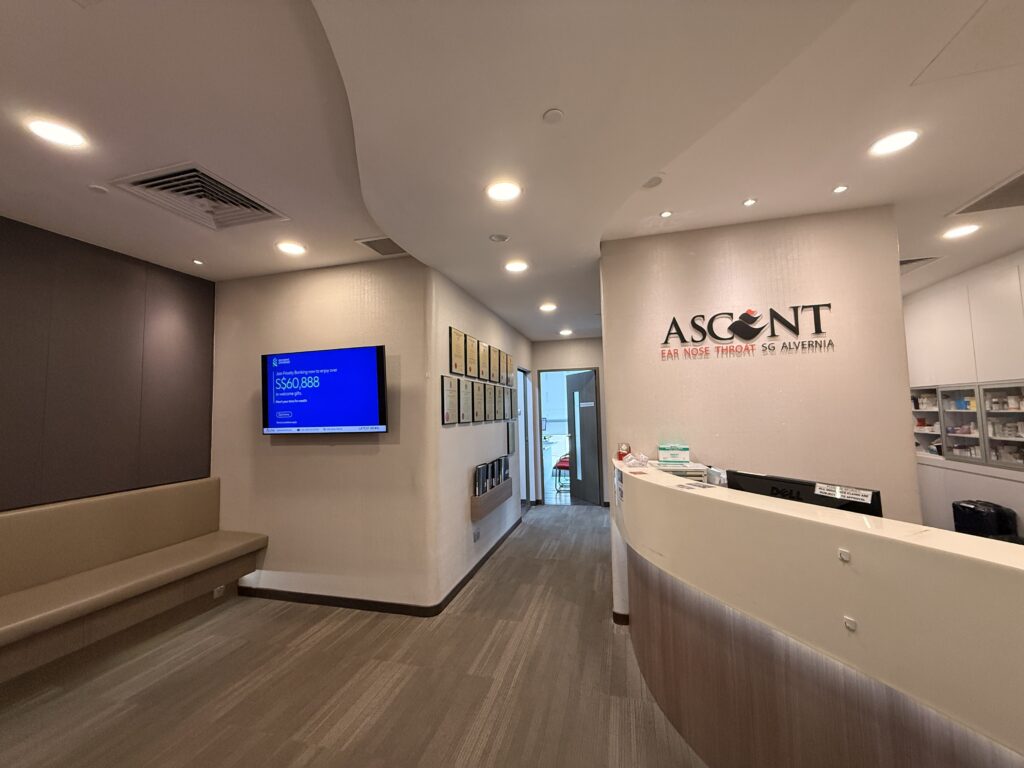
Mount Alvernia Medical Centre D
-
820 Thomson Road #08-63 Singapore 574623
-
-
Frequently Asked Questions
How long does the surgery last?
Surgery for pseudocyst of the ear typically takes about 1 hour, depending on the severity of the injury and how much reconstruction work needs to be done.
Can pseudocyst of the ear be prevented?
Yes, pseudocyst of the ear can be prevented by avoiding ear injury. If you regularly participate in high-risk or high-contact sports, you should always wear protective gear to protect yourself.