Ear, Hearing & Balance
Treatment Options for Tinnitus

What Is Tinnitus?
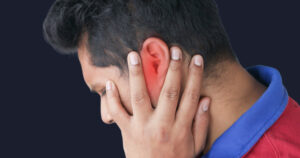
Tinnitus is a condition where individuals perceive ringing, buzzing, or other sounds in their ears without an external source. It can arise from various factors, such as exposure to loud noises, ear infections, age-related hearing loss, or ear injuries. Tinnitus typically presents in two primary forms:
Subjective Tinnitus: The most common type, where only the person affected can hear the sounds. It is often caused by ear or nerve damage.
Objective Tinnitus: A rare type that a doctor can hear during an examination, often due to blood vessel problems or muscle contractions near the ear.
If your ear ringing is accompanied by episodes of spinning or dizziness, it may indicate an inner ear disorder like Meniere’s disease. Seeking Vertigo Treatment in Singapore can help manage the fluid pressure in the inner ear, which may alleviate both the tinnitus and balance symptoms.
In some cases, enlarged adenoids can block the Eustachian tube, leading to fluid buildup and tinnitus. If non-surgical methods fail to clear the middle ear, Adenoidectomy Surgery in Singapore may be recommended to restore proper ear pressure and reduce auditory symptoms.
Recognising the type of tinnitus is necessary for selecting the appropriate treatment. While there is no definitive cure, early intervention can help manage symptoms.
Tinnitus is often a symptom rather than a standalone condition. An ENT Specialist Singapore can perform a comprehensive evaluation, including an otoscopy and hearing test, to determine if your tinnitus is linked to earwax impaction, infection, or inner ear changes.
Treatment Options for Tinnitus
#1: Sound Therapy
Sound therapy is one of the most commonly used methods to help mask the internal sound of tinnitus. It works by introducing external sounds to make the tinnitus less noticeable.
White Noise Machines: These devices produce a gentle background noise, such as a fan or ocean waves, which helps to mask the ringing or buzzing sounds of tinnitus. This can be particularly useful at night when tinnitus tends to be more noticeable.
Hearing Aids: For those whose tinnitus is linked to hearing loss, hearing aids can help amplify external sounds, making internal tinnitus less prominent. With enhanced hearing, the brain has more external sound to focus on, which can reduce the intensity of tinnitus.
Tinnitus Maskers: Similar to white noise machines, tinnitus maskers are specifically designed to produce sound at the same frequency as the tinnitus noise, helping to drown it out.
Music Therapy: Listening to soothing music or nature sounds can also be beneficial in masking tinnitus, especially during relaxation or sleep.
#2: Cognitive Behavioural Therapy (CBT)
CBT is a form of counselling that helps patients change the way they respond to tinnitus. While CBT does not eliminate the tinnitus sound, it can reduce the distress associated with it.
CBT focuses on managing the emotional and psychological impact of tinnitus by altering the negative thought patterns and behaviours that often accompany the condition. Studies have shown that CBT can help people with tinnitus by reducing anxiety, improving mood, and improving overall coping skills.
#3: Tinnitus Retraining Therapy (TRT)
TRT combines sound therapy with professional counselling. The goal of TRT is to help patients become accustomed to their tinnitus so that it becomes less noticeable over time.
During TRT, sound therapy is used to reduce the contrast between the tinnitus and external sounds, while counselling sessions address the emotional responses to tinnitus. This process typically takes several months but can lead to long-term relief for many patients.
#4: Medications
While there is no specific medication to cure tinnitus, certain medications can help manage the associated symptoms, such as anxiety, depression, or sleep disturbances, that often accompany chronic tinnitus.
Antidepressants and antianxiety medications may be prescribed to reduce the emotional distress and improve the patient’s ability to cope with tinnitus. These medications do not eliminate the ringing or buzzing sounds but can make the condition more manageable by addressing the psychological impact.
#5: Lifestyle and Home Remedies
Adopting certain lifestyle changes can help manage tinnitus. Relaxation techniques like yoga, meditation, and mindfulness can reduce stress, a common trigger that worsens tinnitus. Regular exercise promotes better blood flow and reduces anxiety, improving overall well-being. Additionally, avoiding stimulants like caffeine, nicotine, and alcohol can minimise the intensity of tinnitus.
#6: Hearing Protection
Hearing protection is necessary for individuals with tinnitus or those at risk of developing it, especially when exposed to loud environments. Prolonged exposure to high decibel levels, such as at concerts, construction sites, or industrial workplaces, can worsen tinnitus or lead to further hearing damage.
Using earplugs or noise-cancelling headphones in noisy settings helps prevent additional harm to the auditory system. Hearing protection can help prevent tinnitus from worsening and protect the ears from further damage by limiting exposure to loud sounds.
Conclusion
While tinnitus can be a persistent and challenging condition, several treatment options are available to help manage its symptoms effectively. From sound therapy and counselling to lifestyle changes and medications, the right combination of treatments can significantly improve the quality of life for those affected by tinnitus. Early intervention and a tailored treatment plan are key to managing this condition.
If you are experiencing tinnitus, contact us today for a personalised evaluation and to discuss the best treatment options for your specific situation.