Ear, Hearing & Balance
What Happens During an Ear Syringing Procedure?

Ear syringing, also known as ear irrigation, is a routine method for removing excess earwax and other debris from the ear canal. While earwax provides protection by trapping dust and foreign particles, excessive build-up can lead to discomfort, hearing difficulties, and other issues. This procedure is performed using controlled irrigation to ensure effective wax removal without harming the delicate structures of the ear.
Why Is Ear Syringing Needed?
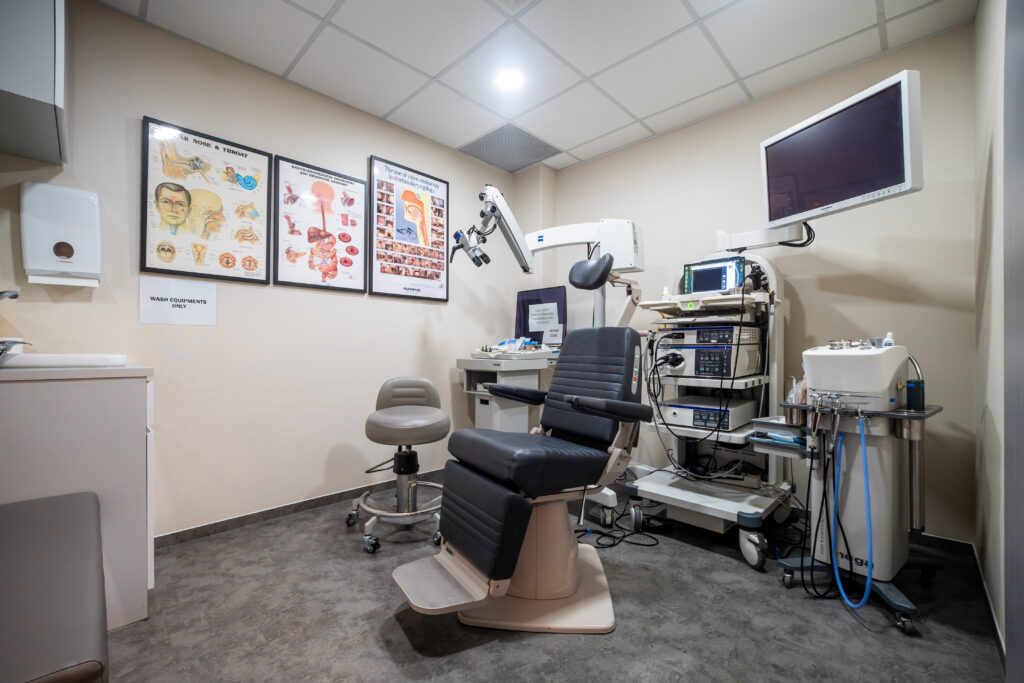
If you are experiencing a sensation of fullness, reduced hearing, or earache, it is advisable to seek a professional examination. An ENT Specialist Singapore can perform a microscopic ear toilet or syringing to safely remove impacted wax and restore your hearing.
Ear blockage and fullness: A sensation of pressure or blockage due to wax obstructing the ear canal.
Hearing difficulties: Excess wax can interfere with sound transmission, leading to muffled hearing.
Ear pain or discomfort: Hardened wax can press against the eardrum, causing discomfort or mild pain.
Tinnitus (ringing in the ears): Impacted wax may contribute to ringing, buzzing, or hissing noises in the ear.
Dizziness or balance disturbances: The inner ear is responsible for balance, and excess wax may interfere with its function.
In children, recurrent ear blockages or infections are often linked to issues in the nasopharynx. If ear symptoms are accompanied by chronic mouth breathing, a consultant may evaluate whether Adenoidectomy Surgery in Singapore is necessary to clear the airway and improve Eustachian tube function.
Pre-Procedure Preparation
Proper preparation can make ear syringing more effective and comfortable, ensuring a smoother procedure and reducing the risk of complications.
Use ear drops: Applying olive oil, almond oil, or hydrogen peroxide-based drops for a few days before the procedure helps soften the wax, making it easier to remove during syringing.
Avoid inserting objects for wax removal: Using cotton swabs, hairpins, or other items to remove earwax can push it deeper into the ear canal, making it harder to clear and increasing the risk of blockage, irritation, or injury.
Keep the ear dry: Excess moisture can cause wax to become sticky and harder to remove, so it is best to keep the ears dry before the procedure unless using prescribed drops.
The Ear Syringing Process
Ear syringing is a straightforward and painless procedure that involves the use of a gentle stream of water to flush out accumulated wax.
Examination and Diagnosis
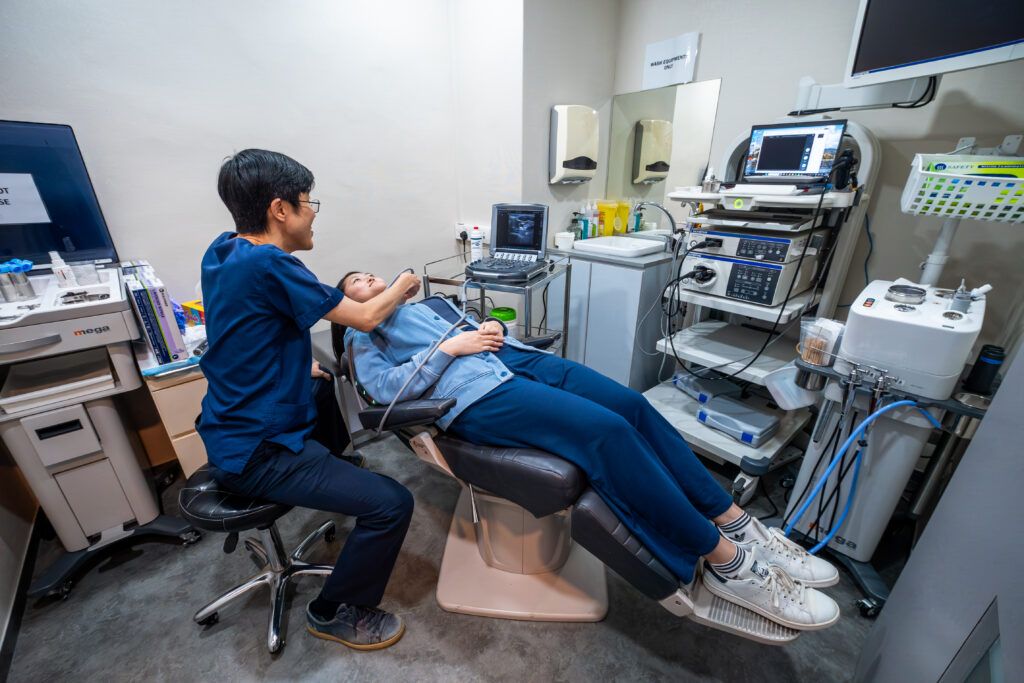
Inspection of the Ear Canal: The doctor will examine the ear canal using an otoscope, a handheld device with a light and magnification, to determine whether symptoms are caused by excessive wax build-up or another underlying condition.
Decision on Treatment: If a significant wax accumulation is identified as the cause of the blockage, ear syringing may be performed. However, if there are signs of infection, a perforated eardrum, or structural abnormalities, the doctor may recommend alternative methods such as microsuction or manual extraction to avoid complications.
The Syringing Procedure
Water Irrigation: The doctor uses a syringe or electronic irrigation device to deliver a controlled stream of warm water into the ear canal. The water temperature is carefully adjusted to match body temperature, minimising the risk of dizziness.
Some patients may experience a brief sensation of imbalance during ear syringing due to the temperature of the water affecting the inner ear. If you experience persistent dizziness unrelated to ear wax, our clinic provides comprehensive Vertigo Treatment in Singapore to address vestibular disorders.
Wax Removal Process: As the warm water enters the ear canal, it softens and loosens the wax, allowing it to be flushed out naturally. The process may be repeated multiple times to ensure complete removal.
Post-Procedure Assessment
Final Examination: After the wax has been removed, the doctor performs a final inspection of the ear canal to confirm that it is completely clear, preventing residual wax or debris from causing further blockage or discomfort.
Further Treatment If Needed: If any wax remains, a second round of irrigation may be performed. In cases where the wax is particularly stubborn or impacted, the doctor may recommend microsuction or manual removal instead of continuing with syringing.
Post-Care Instructions
After the procedure, patients will receive guidance on ear hygiene to help prevent excessive wax build-up in the future. This may include advice on proper cleaning methods and the appropriate use of ear drops to keep the ears clear. Additionally, patients will be informed about when to seek medical attention, particularly if symptoms persist, hearing issues return, or if further wax removal is needed.
What to Expect After the Procedure
Most patients experience immediate relief from ear blockage, muffled hearing, or discomfort. Hearing often improves as wax removal allows sound to travel unobstructed. Some may feel temporary dizziness, but this usually subsides within minutes.
Mild sensitivity in the ear canal may occur, especially if the wax was impacted, but it typically resolves quickly. Residual moisture from the procedure may remain but usually evaporates on its own. If dizziness, pain, or other unusual symptoms persist, a follow-up consultation may be needed.
Who Should Avoid Ear Syringing?
Ear syringing may not be suitable for individuals with a history of ear infections, a perforated eardrum, or previous ear surgery, as water introduction can increase risks. Those with ongoing ear pain or discharge should also avoid the procedure, as these symptoms may indicate an infection or other underlying condition requiring different treatment. In such cases, microsuction or manual removal may be safer alternatives.

Tinnitus Patient In Singapore
Conclusion
Ear syringing is a straightforward and effective method for removing excess earwax and improving hearing. With proper preparation, the procedure can be performed comfortably. However, individuals with a history of ear conditions should consult a specialist before treatment to ensure suitability. For professional ear care and wax removal, book an appointment with Ascent ENT today.