Ascent Ear Nose & Throat
Cochlear Implant Specialist Singapore (Implantable Hearing Devices)


Comprehensive Services
Providing the highest standard of ENT care in Singapore and the region.

Accredited Specialists
Senior ENT surgeons with internationally-recognised fellowship training.

Convenient Locations
3 Clinics conveniently located in Orchard, Thomson, and Joo Chiat.

Why & When Do I Need Hearing Assistance Devices & Implantable Hearing Devices?
Hearing assistance devices and implantable hearing devices primarily work to improve the hearing and speech comprehension of people with hearing loss due to damage to the small sensory cells in the inner ear.
Generally, you may need to consider using hearing assistance devices or implantable hearing devices if you experience:
-
Muffled hearing
-
Partial hearing loss
-
The tendency to turn up the audio volume
-
Ringing in the ear (tinnitus)
-
Ear pain
What Are Hearing Assistance Devices & Implantable Hearing Devices?
Hearing assistance devices or hearing aids are electronic devices that amplify and direct sounds into your ear canal. They are typically worn inside or behind the ear by patients who suffer from hearing loss. There are generally 3 basic types of hearing assistance devices—behind-the-ear (BTE), receiver-in-canal (RIC) and custom hearing aids (in-the-ear, in-the-canal and completely-in-canal).
On the other hand, unlike conventional hearing aids, implantable hearing devices are surgically implanted into the ear canals. The most common implantable hearing device is a cochlear implant, which works by bypassing damaged portions of the ear and directly stimulating the auditory nerves.
Possible Risks & Complications
Hearing assistance devices generally do not pose any risks to the wearer.
On the other hand, the risks associated with implantable hearing devices are typically due to surgical risks, such as:
-
Bleeding
-
Swelling
-
Infection in the area of the implant
-
Ringing in the ears (tinnitus)
-
Dizziness or vertigo
-
Numbness around the ear
-
Changes in taste
-
Dry mouth
-
Leakage of spinal fluid
-
Injury to the facial nerve, which may result in facial paralysis
-
Infection of the brain membrane (meningitis)
-
Allergic reaction to anaesthesia
For Singaporeans & Singapore Permanent Residents
Insurance & Medisave Partners
Certain ENT procedures are claimable under Medisave, and the exact amount would depend on the procedure. For more information, please speak to our friendly clinic staff about using your insurance plan, Integrated Sheild Plan, or Medisave.
Please note: All three Ascent ENT clinics and all our doctors are recognized Prudential Panel providers, making it easier for Prudential policyholders to access specialist ENT care across our network. Please verify your specific plan coverage with Prudential before booking.

















How Are Hearing Assistance Devices & Implantable Hearing Devices Installed?
Hearing assistance devices and hearing aids are typically easy to install as you just have to wear them either behind or inside your ear.
However, for implantable hearing devices such as cochlear implants, surgery must be performed to install the implants inside your ear. Cochlear implant surgery is typically performed under general or local anaesthesia, where your doctor will make an incision behind the ear to open the mastoid bone. They will then access the cochlea (a hollow, spiral-shaped bone found in the inner ear) and insert the implant electrodes into the cochlea. Afterwards, an electronic device called a receiver will be placed under the skin behind the ear and secured to the skull.
At the end of the procedure, the incisions will then be closed, and you will be moved into the recovery area for observation until your anaesthetic wears off.
What To Expect Afterwards?

Once you obtain your hearing assistance device, your doctor or audiologist will likely give you detailed instructions on how to care for and maintain your hearing aid.
For implantable hearing devices, you will be given instructions on how to care for yourselves after surgery instead. For example, you will learn how to change dressings for your stitches and how to operate the implant. You may need to visit your doctor several times to adjust and fine-tune your implantable hearing device to ensure that it is functioning correctly.
Visit Us Today
Our Clinic
Visit us at any of our 3 convenient locations in Singapore!
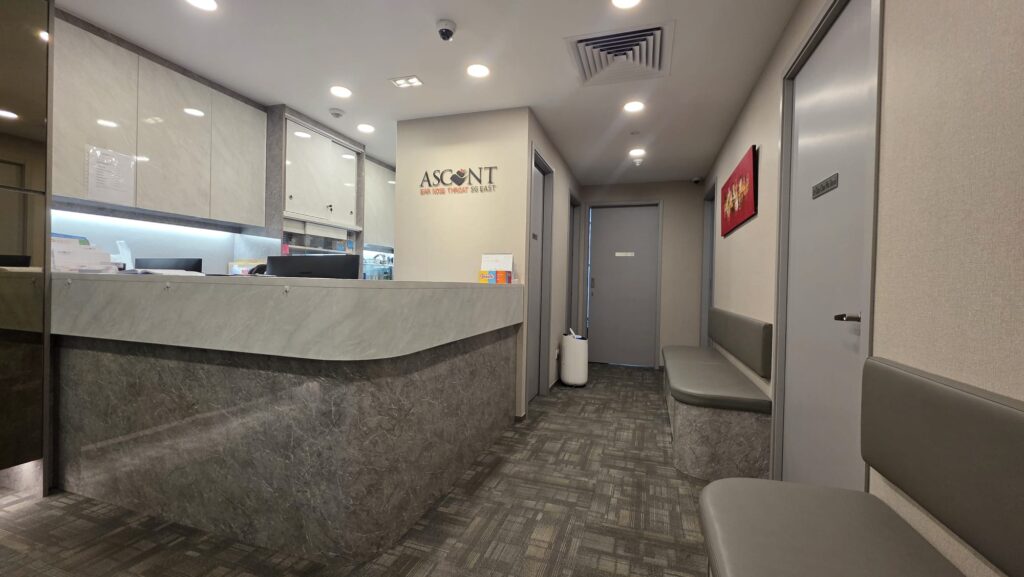
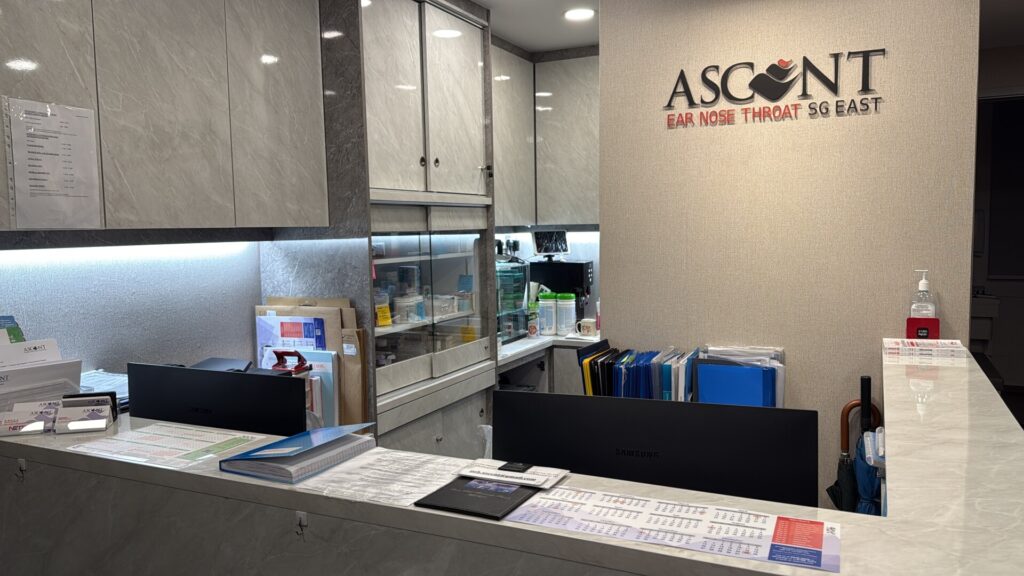
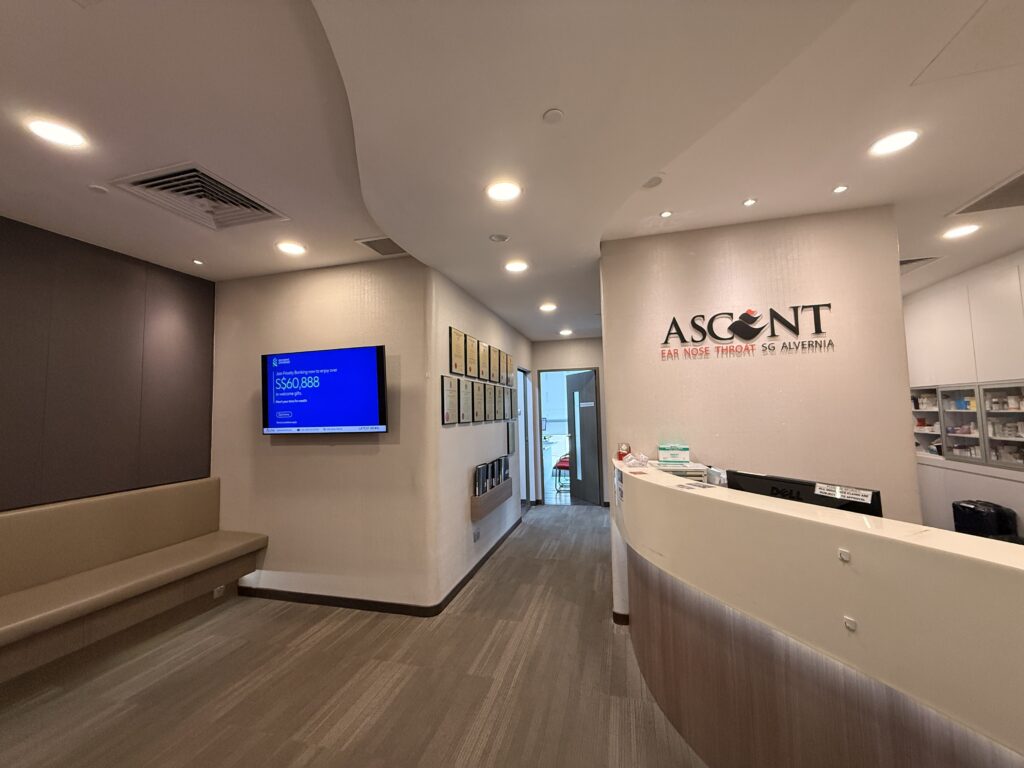
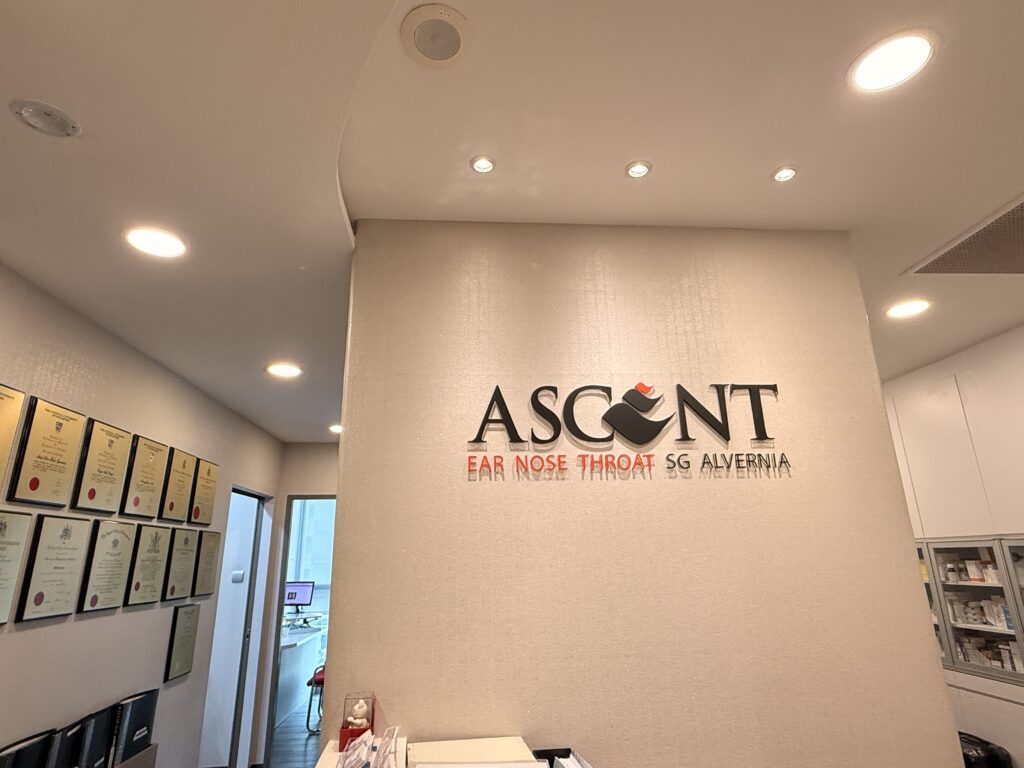
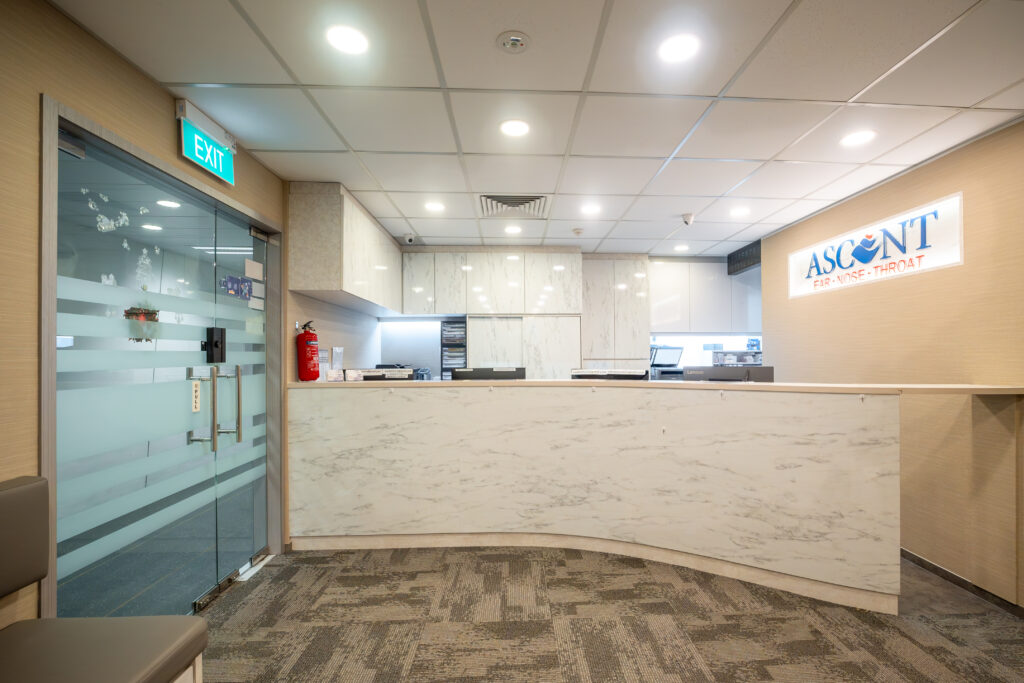
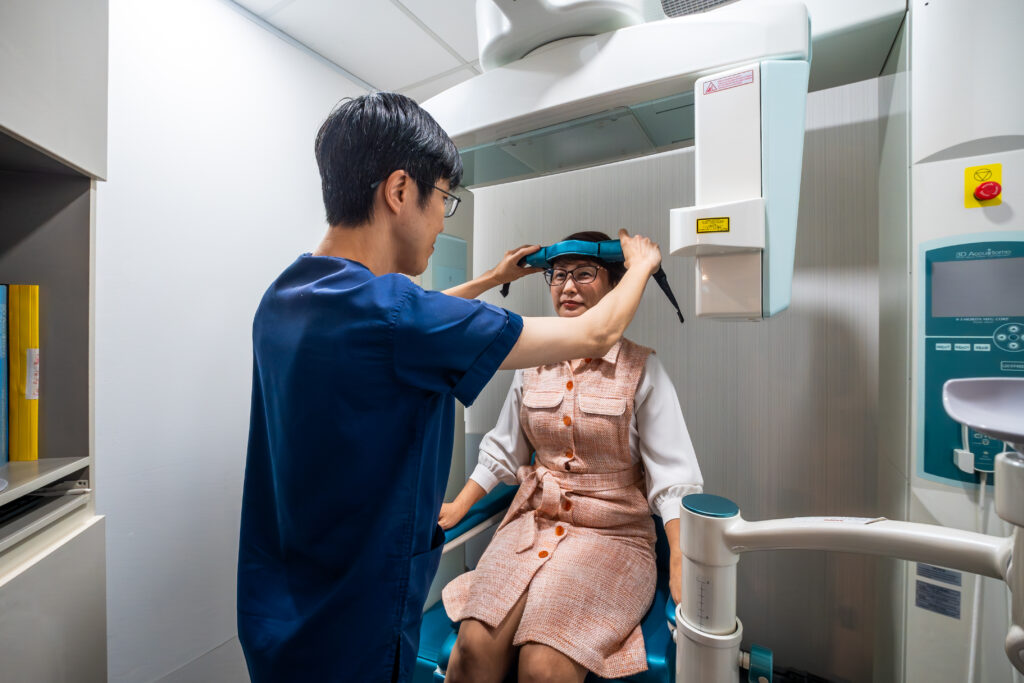
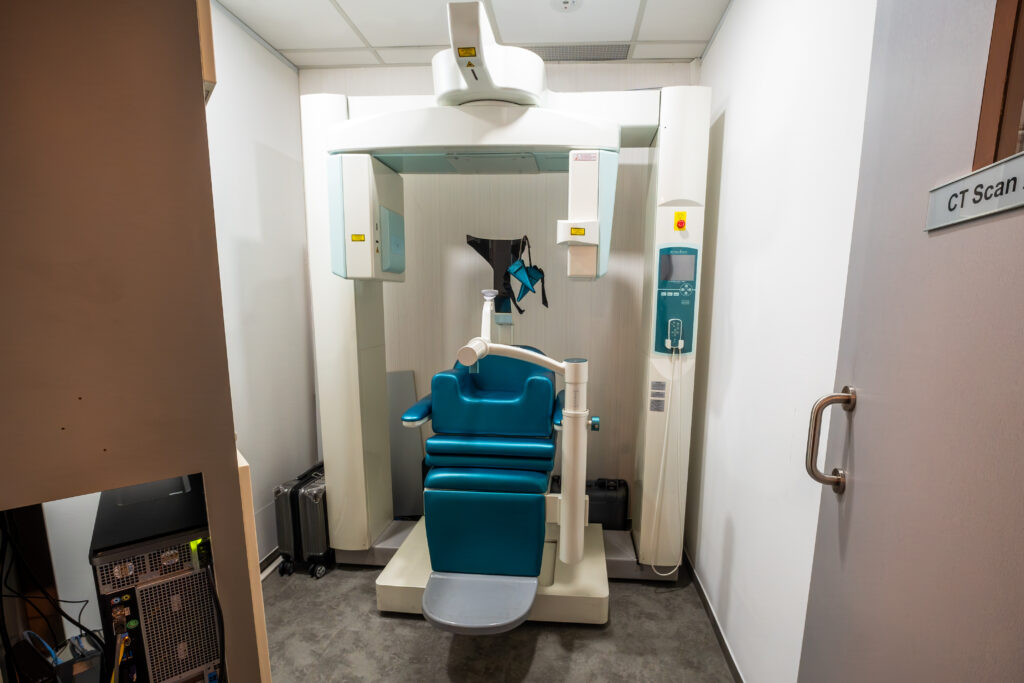
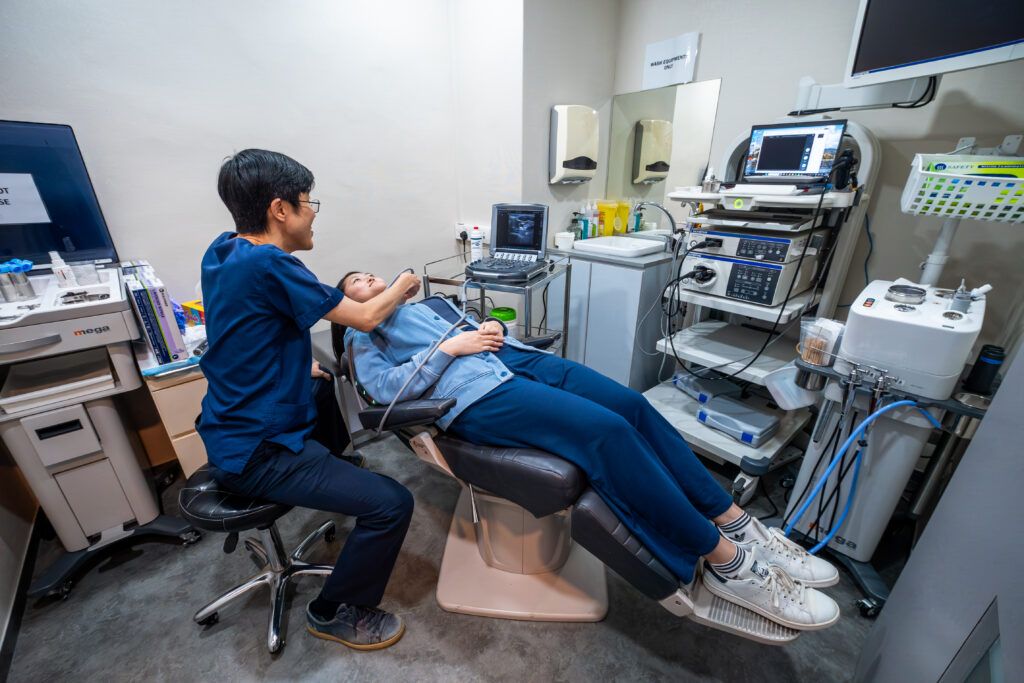
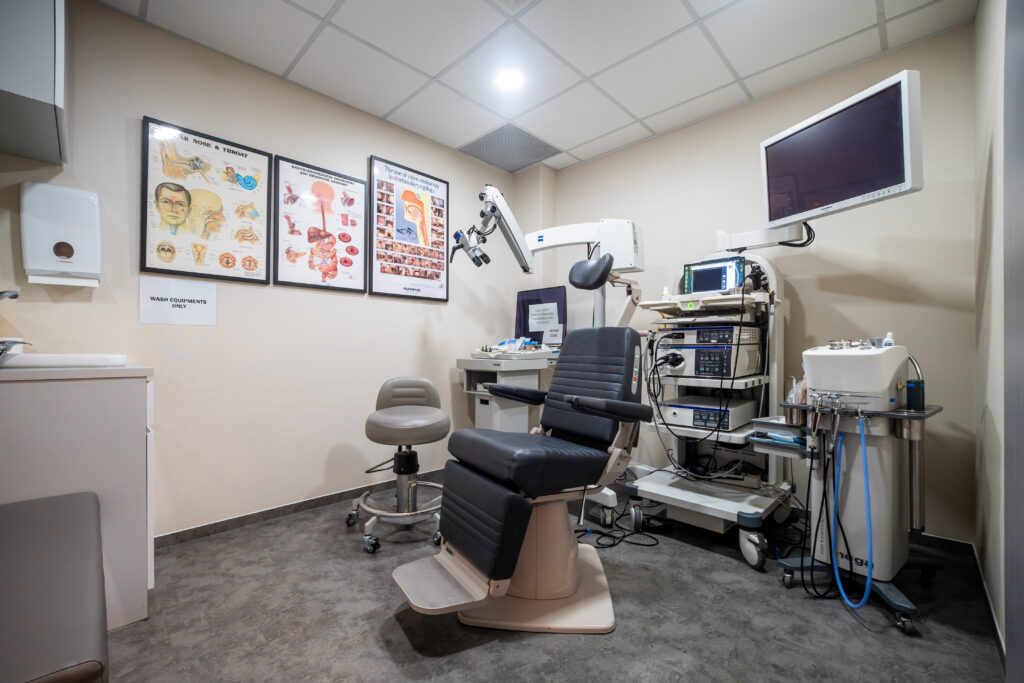
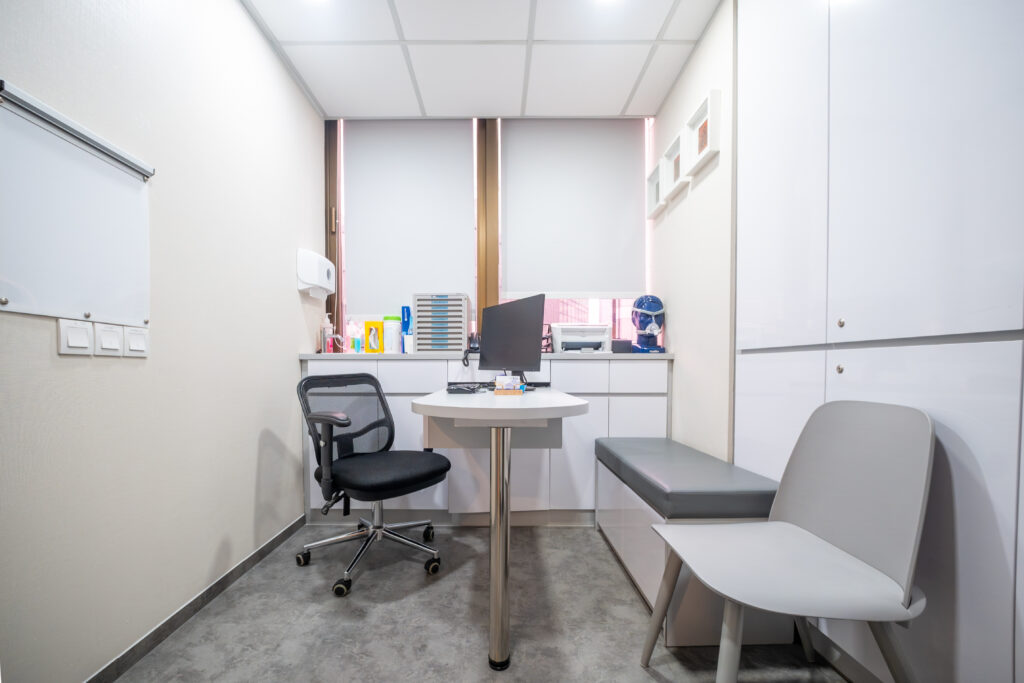
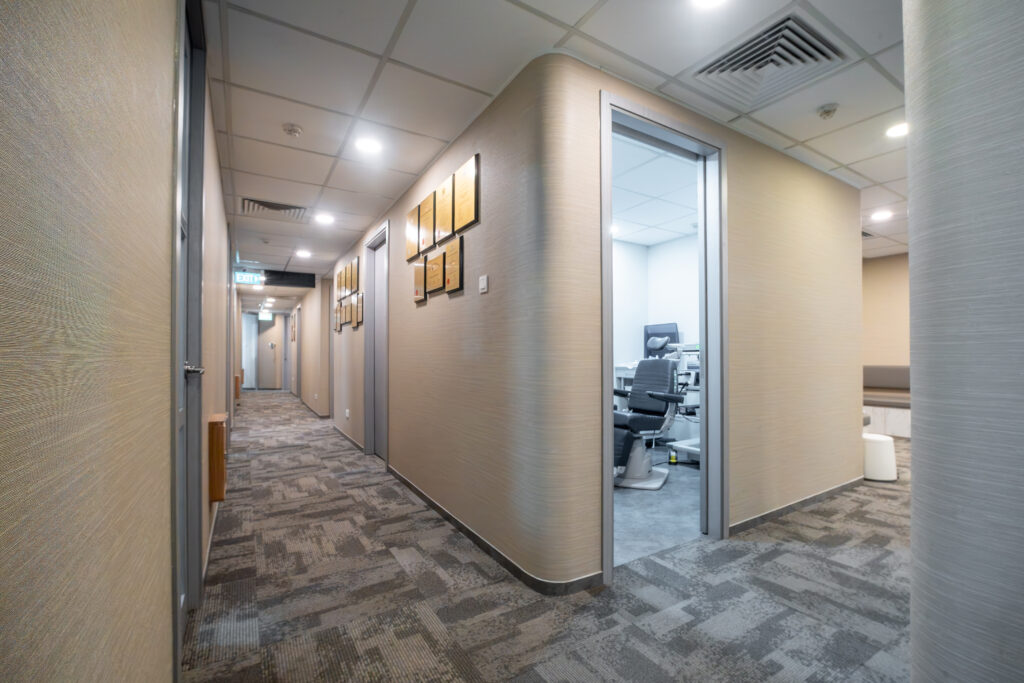
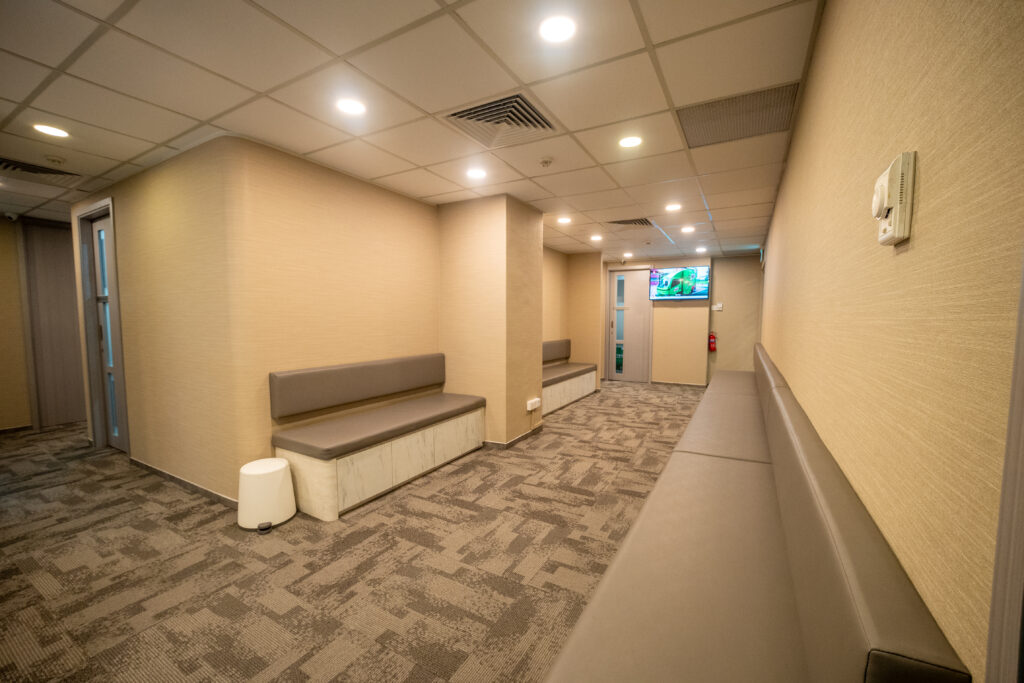
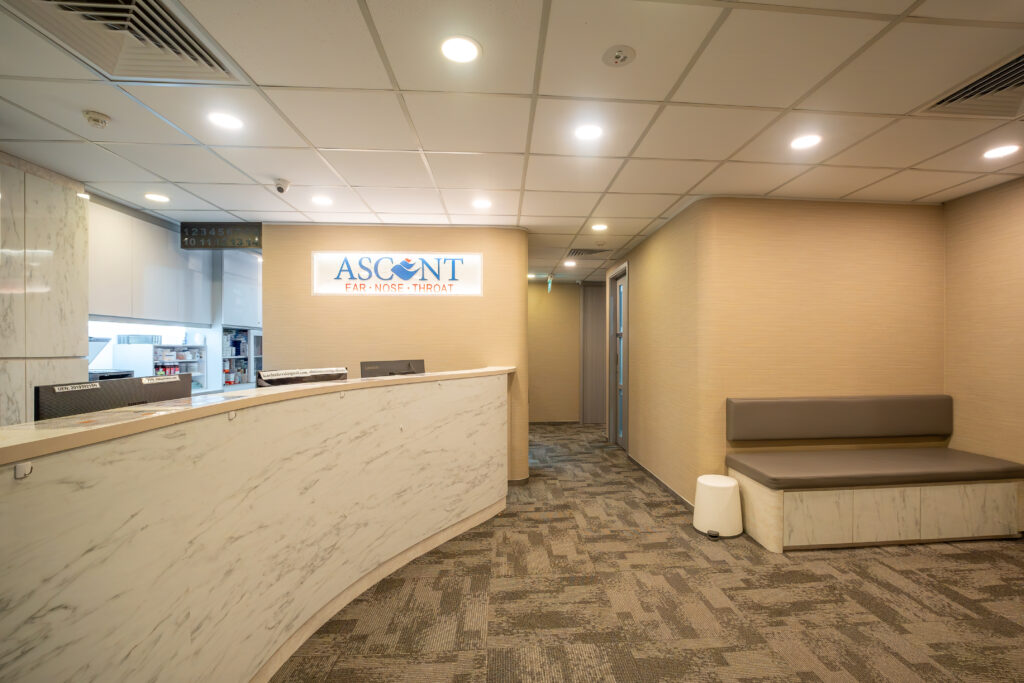
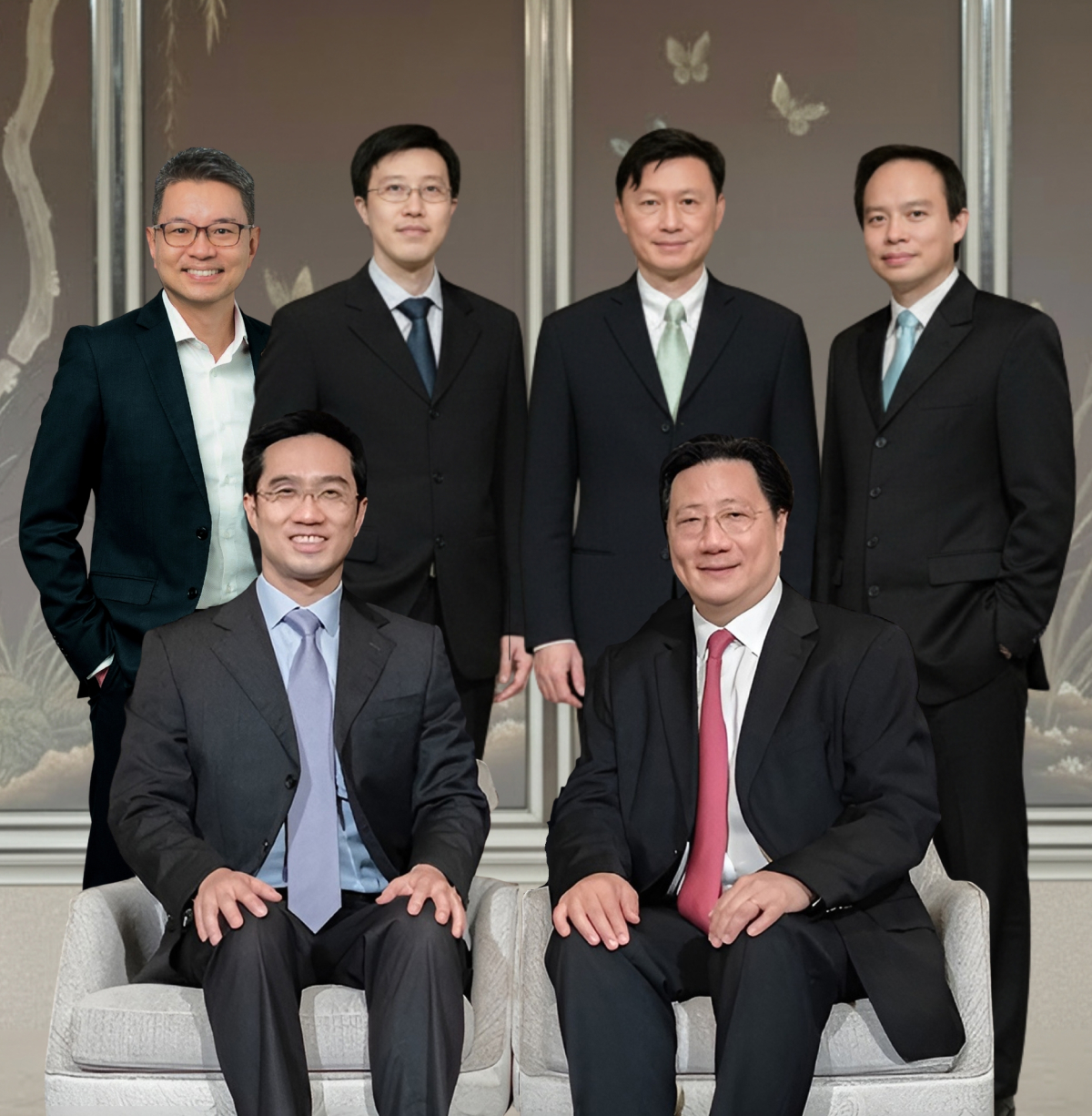

Our Main Clinic
Feel free to drop by our clinic and meet our specialist
-
Mount Elizabeth Medical Centre
3 Mount Elizabeth #09-03/04/05
Singapore 228510 -


Other Practice Locations
Parkway East Medical Centre
-

319 Joo Chiat Place #03-02 Singapore 427989
-

-
Mount Alvernia Medical Centre D
-
820 Thomson Road #08-63 Singapore 574623
-
-
Frequently Asked Questions
How do I care for my hearing assistance devices?
Hearing aids are generally not waterproof as their electronic components can get corroded from excessive sweating, rain or even moisture in the air. Therefore, it is crucial to keep your hearing aid in a dry place when not in use. Furthermore, you should also avoid dropping the hearing aid as its internal components might get damaged.
How long will I take to recover after cochlear implant surgery?
Generally, the incisions will take about a day or up to 6 weeks to heal before the implant can be activated. However, most people typically return to their daily activities and routine within a few days after surgery.