
Comprehensive Services
Providing the highest standard of ENT care in Singapore and the region.

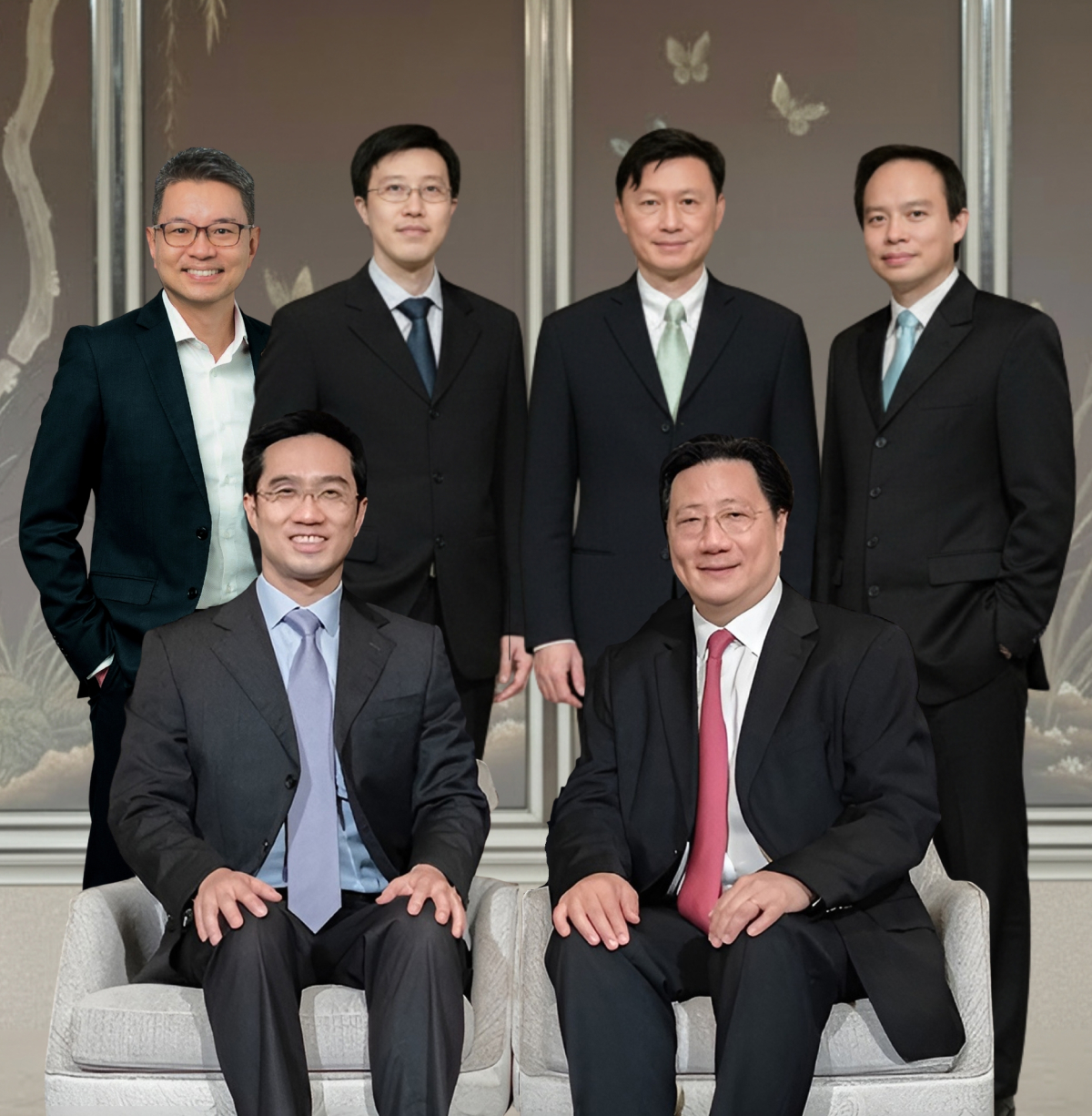
Accredited Specialists
Senior ENT surgeons with internationally-recognised fellowship training.

Convenient Locations
3 Clinics conveniently located in Orchard, Thomson, and Joo Chiat.

When & Why Do I Need Mastoidectomy?
A mastoidectomy is necessary to treat complications of a middle ear infection and cholesteatoma, which is a skin cyst in the ear.
If left untreated, these conditions may result in more severe complications such as:
-
Abscess in the brain
-
Hearing loss
-
Giddiness or vertigo
-
Facial paralysis
-
Meningitis (inflammation of the brain membranes)
-
Labyrinthitis (inflammation of the inner ear)
Typically, mastoidectomy is also performed if your middle ear infection is not responsive to antibiotics and if your doctor wants to put in a cochlear implant to treat hearing loss.
What Is Mastoidectomy?
Mastoidectomy is a surgical procedure to treat an infected middle ear by removing diseased mastoid air cells, which are cells located in the part of your skull behind your ear (mastoid). Mastoidectomy can also remove abnormal growth in the ear, known as cholesteatoma.
Possible Risks & Complications
As with any other surgical procedure, there are always side effects observed, including:
-
Bleeding
-
Infection
-
Inner ear hearing loss
-
Change in taste buds
-
Facial nerve injury, resulting in facial weakness or even paralysis
-
Tinnitus or ringing in the ear
For Singaporeans & Singapore Permanent Residents
Insurance & Medisave Partners
Certain ENT procedures are claimable under Medisave, and the exact amount would depend on the procedure. For more information, please speak to our friendly clinic staff about using your insurance plan, Integrated Sheild Plan, or Medisave.
Please note: All three Ascent ENT clinics and all our doctors are recognized Prudential Panel providers, making it easier for Prudential policyholders to access specialist ENT care across our network. Please verify your specific plan coverage with Prudential before booking.

















What Happens During Mastoidectomy?
During the surgery, your ENT doctor will administer a general anaesthetic before making an incision behind the ear. A bone drill will be used to access your middle ear cavity and mastoid bone. The infected parts of the mastoid bone and ear tissue will then be removed, and the incision will be stitched and covered with a bandage. Your doctor may put a drain behind your ears to prevent fluid from accumulating around the incision site.
After the procedure is complete, you will be brought to a recovery room, where your vital signs will be observed while your anaesthetic slowly wears off.
What To Expect Afterwards?

Following mastoidectomy, your doctor will likely advise you on some postoperative instructions on treatment and care during recovery, such as prescribing antibiotics to treat any infection or hearing loss.
You may also schedule follow-up appointments in your ENT clinic in Singapore to remove any bandages or stitches used during the surgery, as well as to track your recovery progress.
When Should You See An ENT Specialist In Singapore??
-
Any Ear, Nose or Throat symptoms that you are troubled with or concerned of
-
Persistent blocked nose with mouth breathing or snoring
Visit Us Today
Our Clinic
Visit us at any of our 3 convenient locations in Singapore!
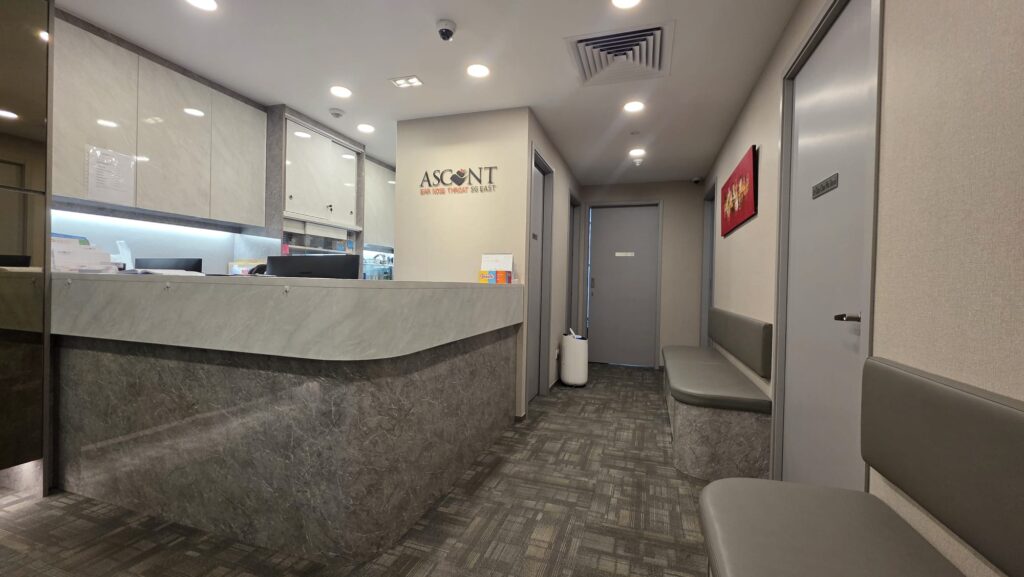
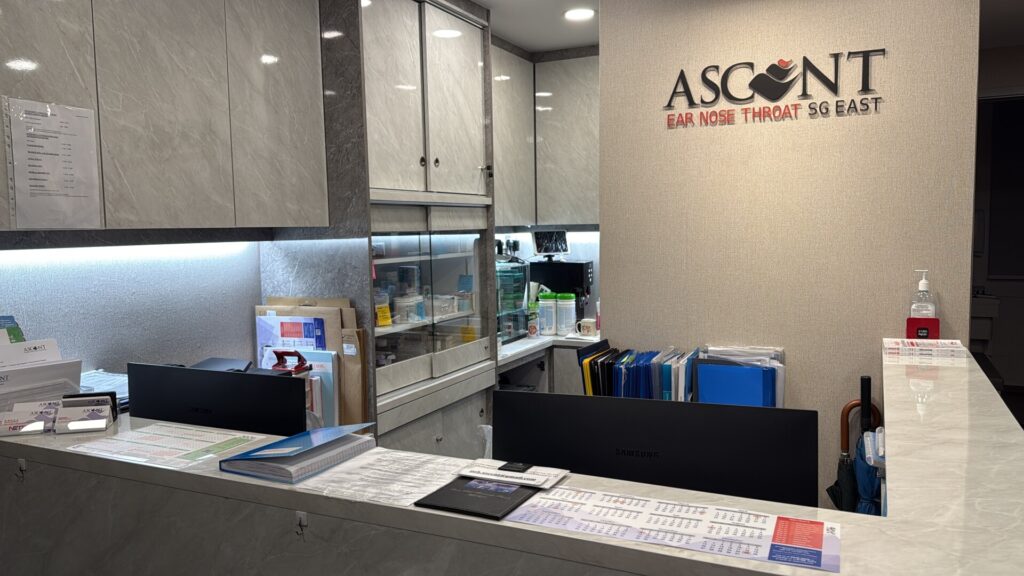
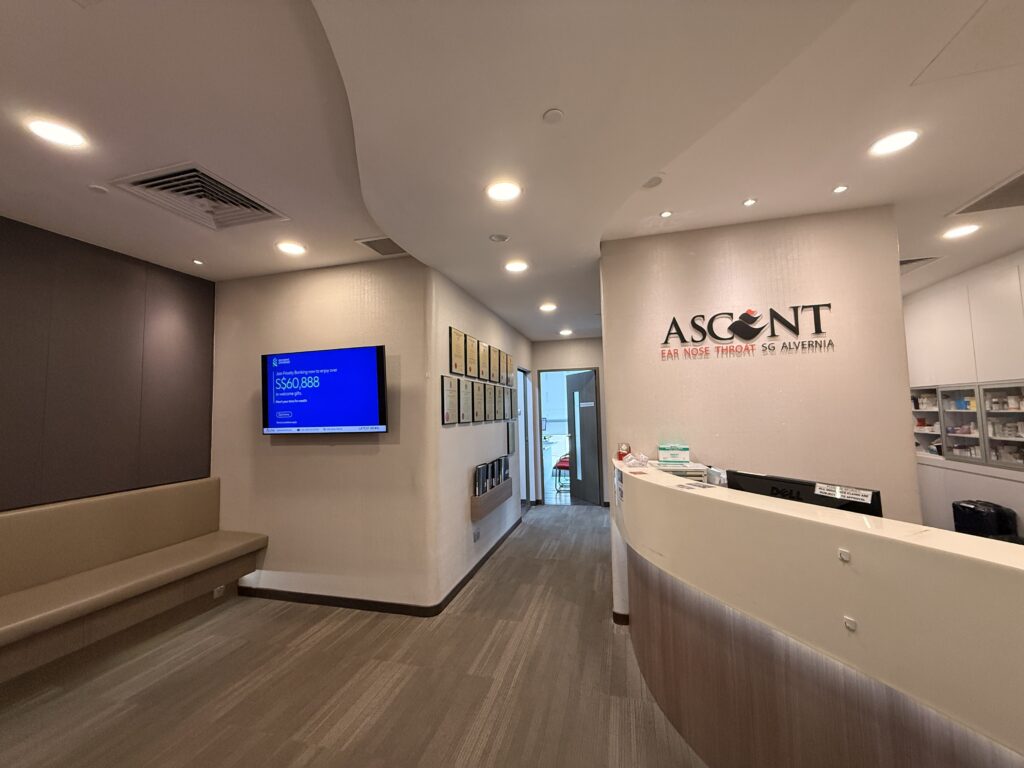
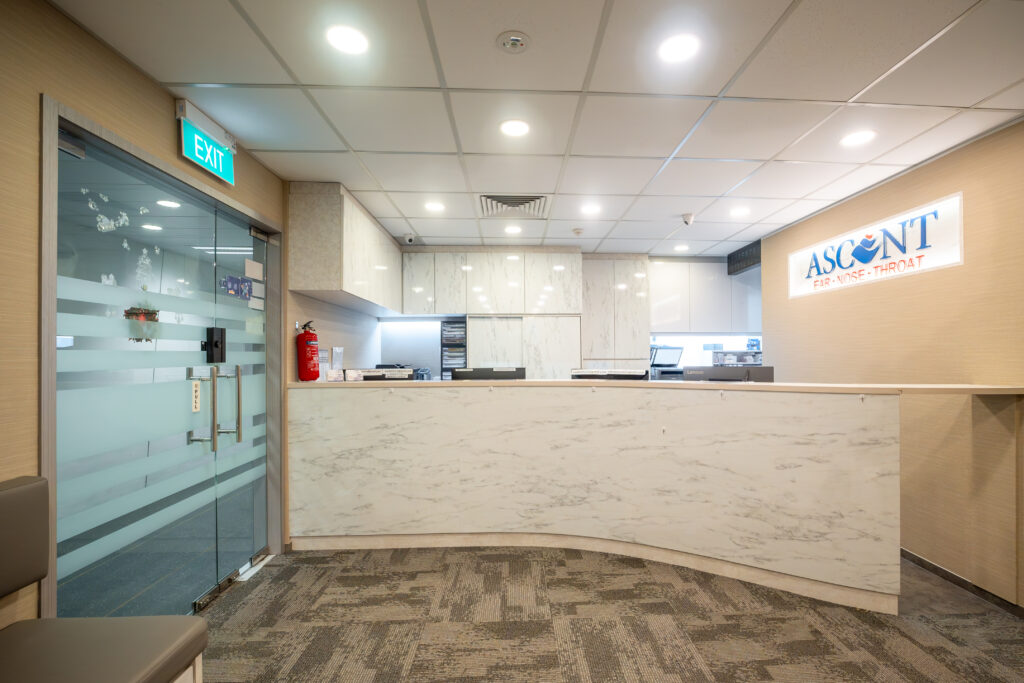
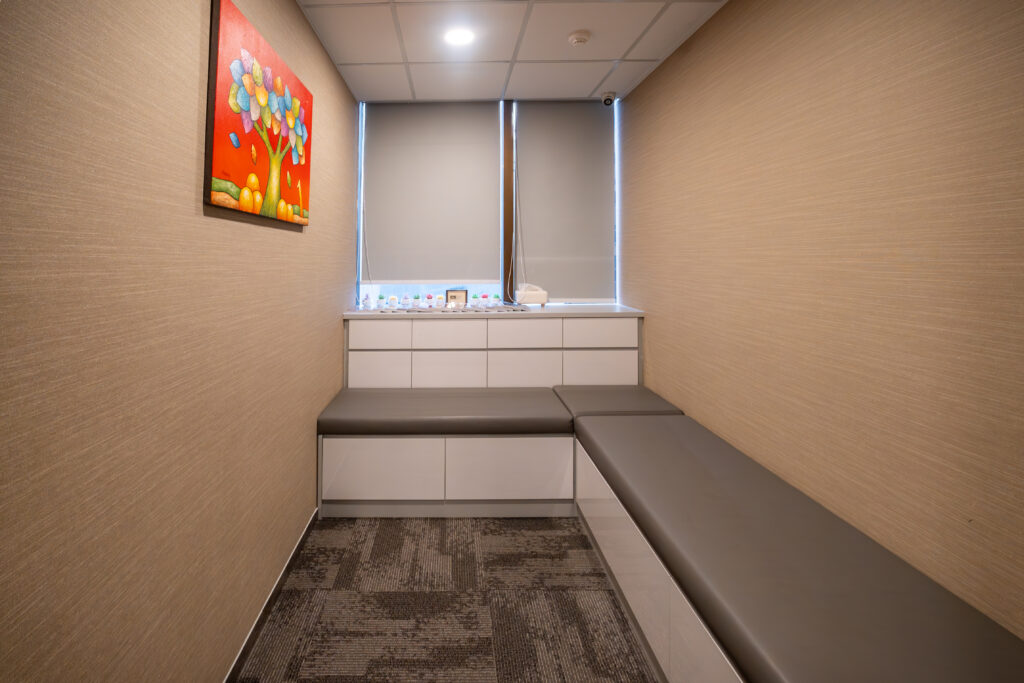
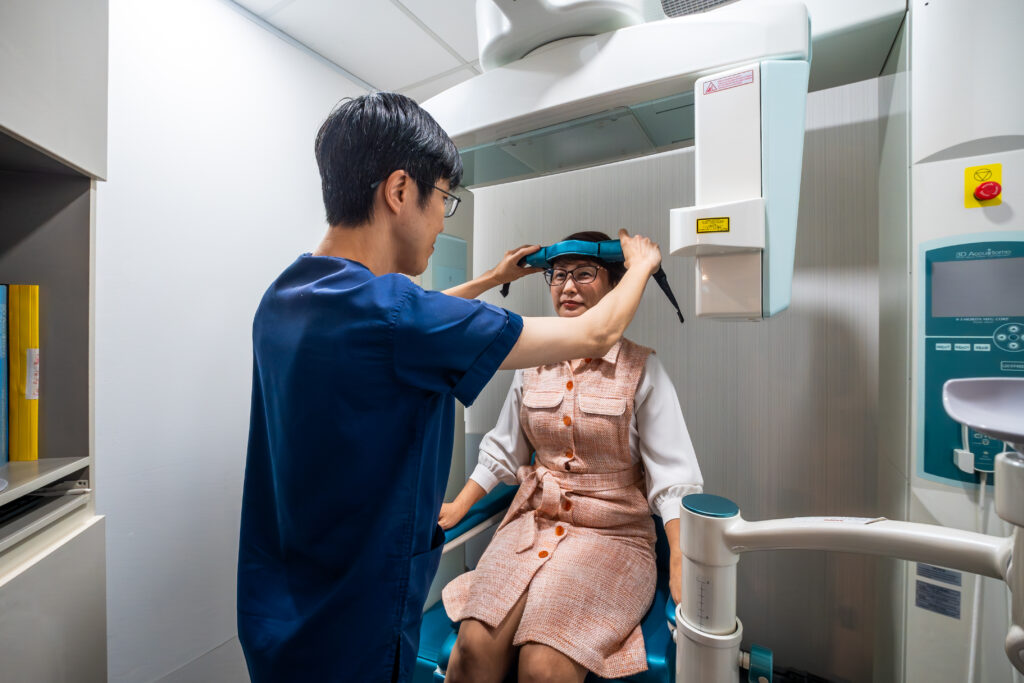
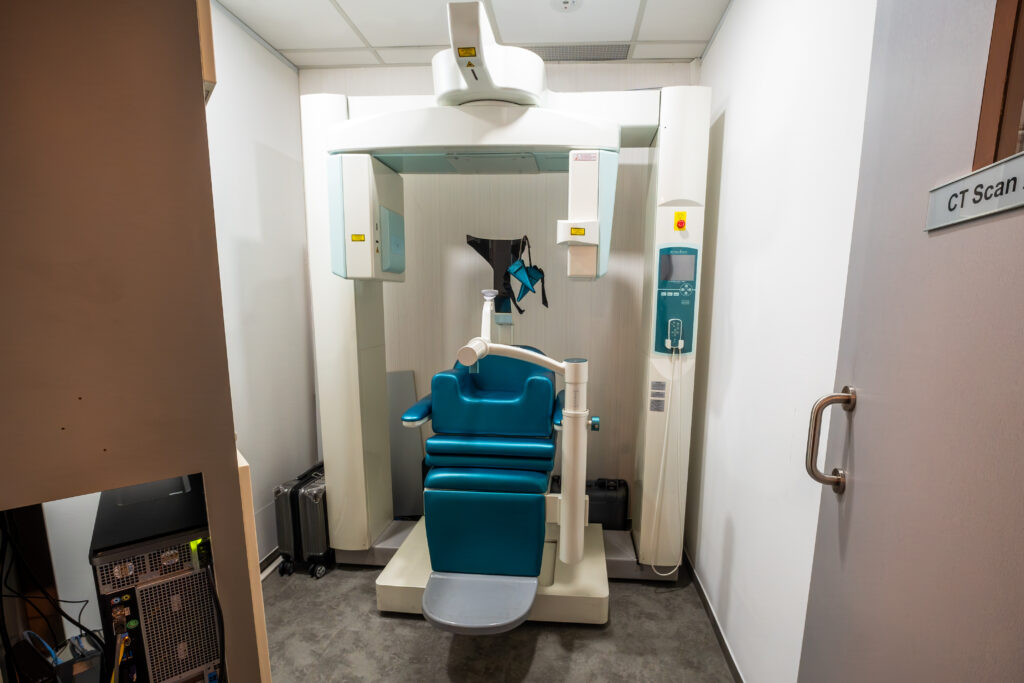
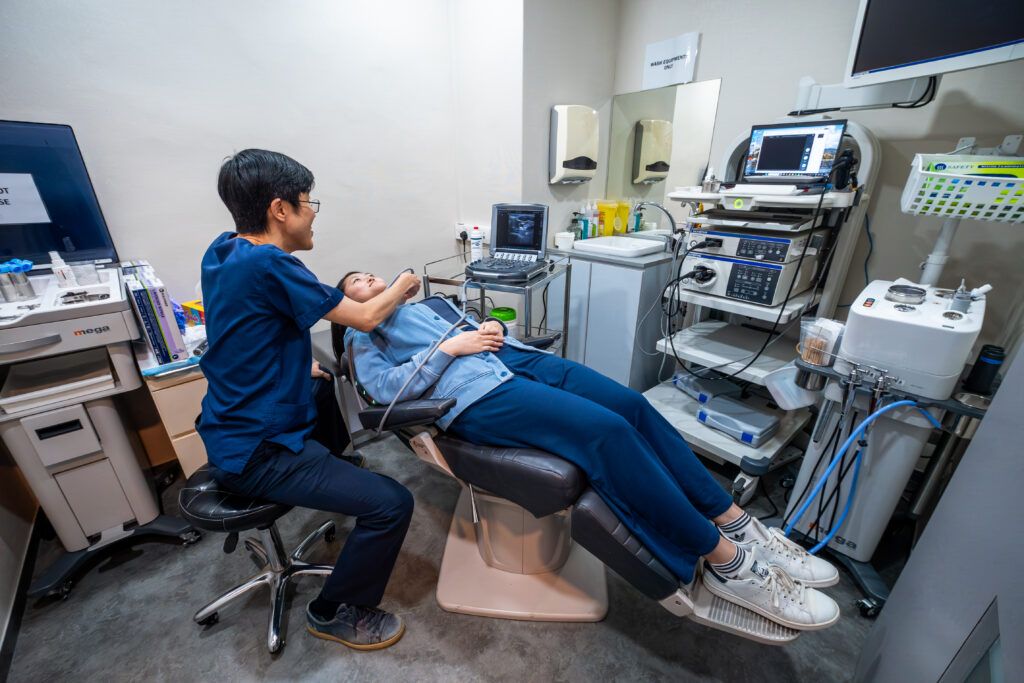
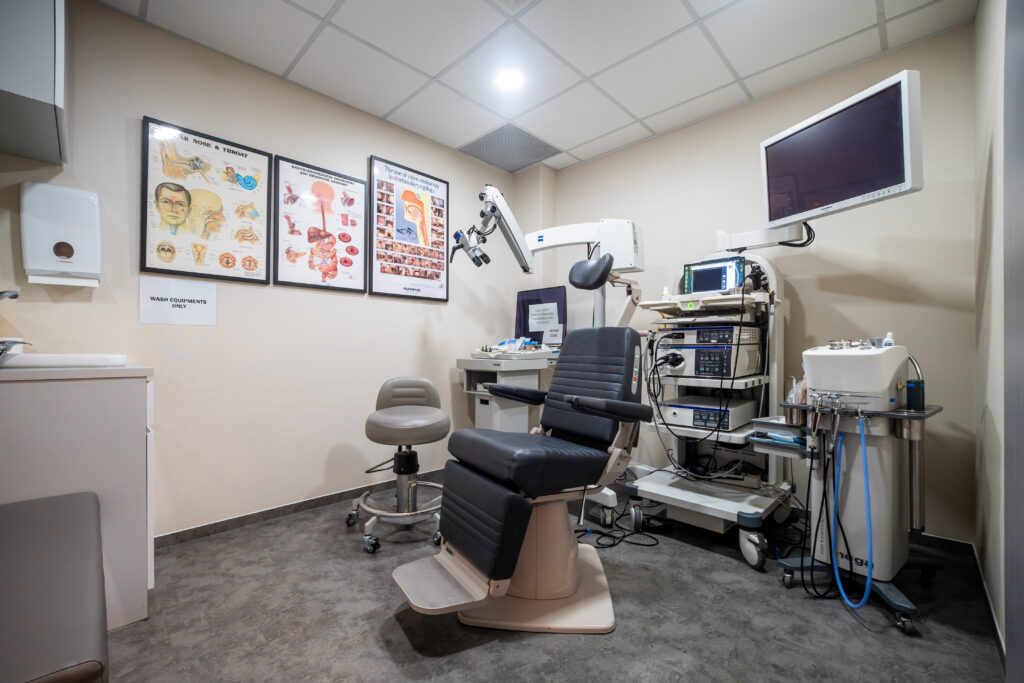
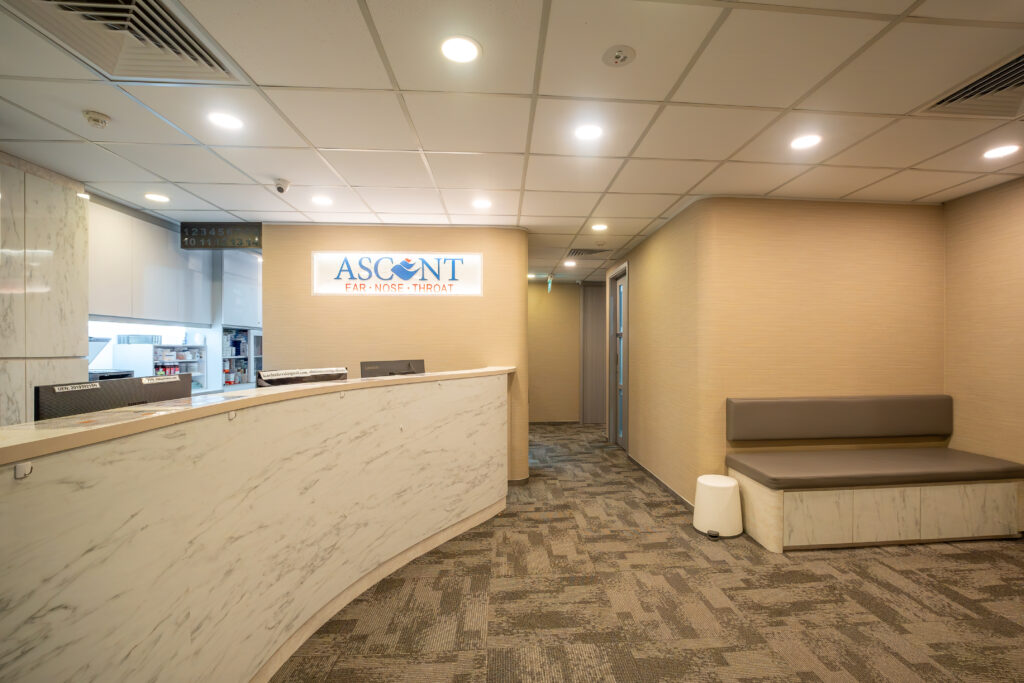

Our Main Clinic
Feel free to drop by our clinic and meet our specialist
-
Mount Elizabeth Medical Centre
3 Mount Elizabeth #09-03/04/05
Singapore 228510 -


Other Practice Locations
Parkway East Medical Centre
-

319 Joo Chiat Place #03-02 Singapore 427989
-

-
Mount Alvernia Medical Centre D
-
820 Thomson Road #08-63 Singapore 574623
-
-
Frequently Asked Questions
How long does mastoidectomy last?
The operation will take 2 to 3 hours, depending on the severity of the condition.
How long will I take to recover after mastoidectomy?
Full mastoidectomy recovery typically takes about 6 to 12 weeks. However, most people can return to their daily activities in approximately 1 to 2 weeks.
Related Posts
Nose & Sinus