Ascent Ear Nose & Throat
Endoscopic Repair Of Cerebrospinal Fluid (CSF) Leaks Specialist In Singapore


Comprehensive Services
Providing the highest standard of ENT care in Singapore and the region.

Accredited Specialists
Senior ENT surgeons with internationally-recognised fellowship training.

Convenient Locations
3 Clinics conveniently located in Orchard, Thomson, and Joo Chiat.

Why Do I Need Endoscopic Repair Of Cerebrospinal Fluid (CSF) Leaks?
Endoscopic repair of cerebrospinal fluid (CSF) leaks is typically performed to relieve symptoms such as tinnitus (ringing in the ears), headache or inflammation of the meninges. If left untreated, CSF leaks may result in more severe complications such as blurred vision, hearing loss or seizures.
This approach also allows your doctor to reach the leak site without the need for large skin incisions or bone cuts, hence shortening the post-operative recovery process.
What Is Endoscopic Repair Of Cerebrospinal Fluid (CSF) Leaks?
Endoscopic repair of cerebrospinal fluid (CSF) leaks is a minimally invasive procedure that uses an endoscope (a thin, fibre-optic viewing instrument) to repair structural defects or tears in the skull base, the barrier between the brain and the nose. Sometimes, CSF leaks can also result from a hole in the dura, which is the outermost layer of the meninges (membranes of the brain).
Cerebrospinal fluid (CSF) is a colourless fluid that circulates through the brain’s ventricles (cavities) and surrounds the brain and spinal cord. CSF helps provide nutrients to the brain and spinal cord and cushion them from injuries.
Possible Risks & Complications
As with any other surgical procedure, there are always side effects observed.
Some of the possible side effects include:
-
Bleeding
-
Infection
-
Damage to the nerves, veins or arteries in the area
-
Blood clots
-
Changes in smell or taste
For Singaporeans & Singapore Permanent Residents
Insurance & Medisave Partners
Certain ENT procedures are claimable under Medisave, and the exact amount would depend on the procedure. For more information, please speak to our friendly clinic staff about using your insurance plan, Integrated Sheild Plan, or Medisave.
Please note: All three Ascent ENT clinics and all our doctors are recognized Prudential Panel providers, making it easier for Prudential policyholders to access specialist ENT care across our network. Please verify your specific plan coverage with Prudential before booking.

















What Happens During Endoscopic Repair Of Cerebrospinal Fluid (CSF) Leaks?
Before the procedure, your doctor will likely ask you to stop taking certain medications to prevent complications during the surgery. You are also not allowed to eat anything after midnight before the day of the surgery, or as advised by your doctor.
During the procedure, your doctor will administer general anaesthesia before inserting an endoscope, which is a thin, fibre-optic tube with a light and camera at the tip, through your nose and sinuses. After locating the hole that is causing the leak, your doctor will then either place a patch to seal the leak or reconstruct the defected area using materials such as tissue from the inside of the nose (mucosa and septal bone), materials taken from other body parts or synthetic materials.
When the procedure is complete, you will be brought to a recovery room, where your vital signs will be observed as your anaesthetic slowly wears off.
What To Expect Afterwards?

Following the endoscopic repair of CSF leak surgery, your doctor will likely advise you on some postoperative instructions on caring for yourself during recovery. For example, they may recommend taking antibiotics and over-the-counter medications to prevent infection and relieve discomfort.
Depending on the location and severity of the leak, you may be required to remain in the hospital for a few days after the surgery.
Visit Us Today
Our Clinic
Visit us at any of our 3 convenient locations in Singapore!
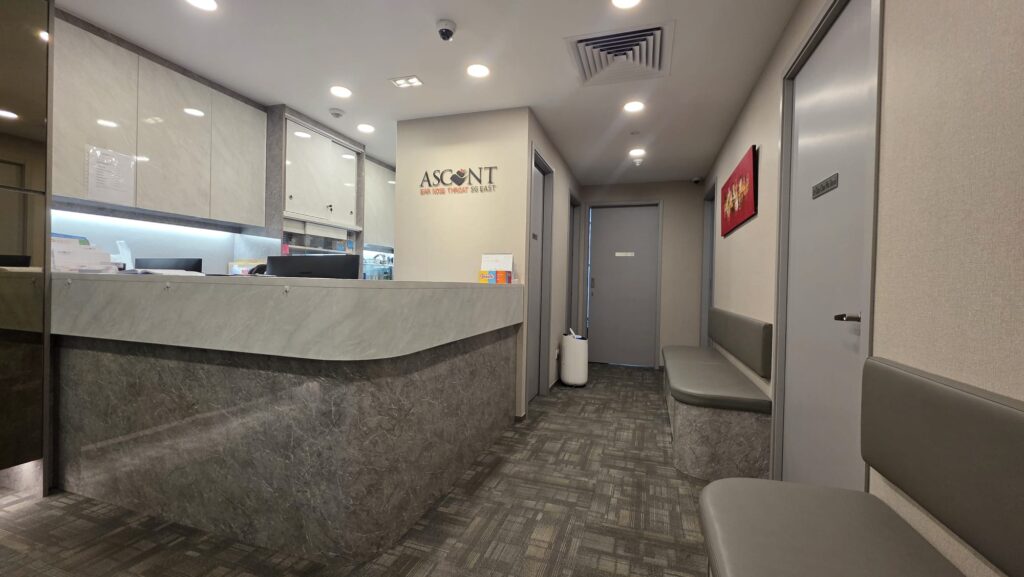
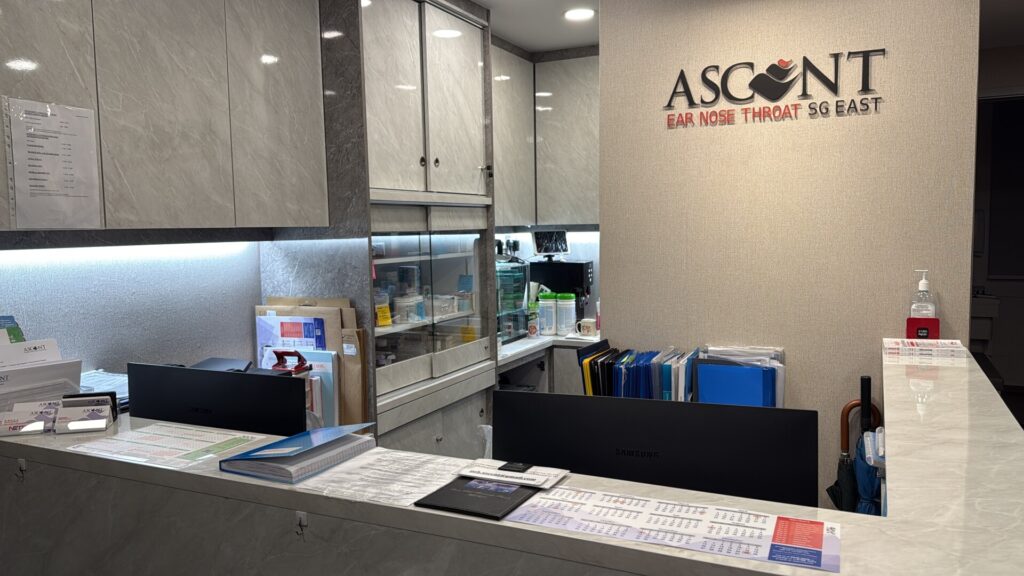
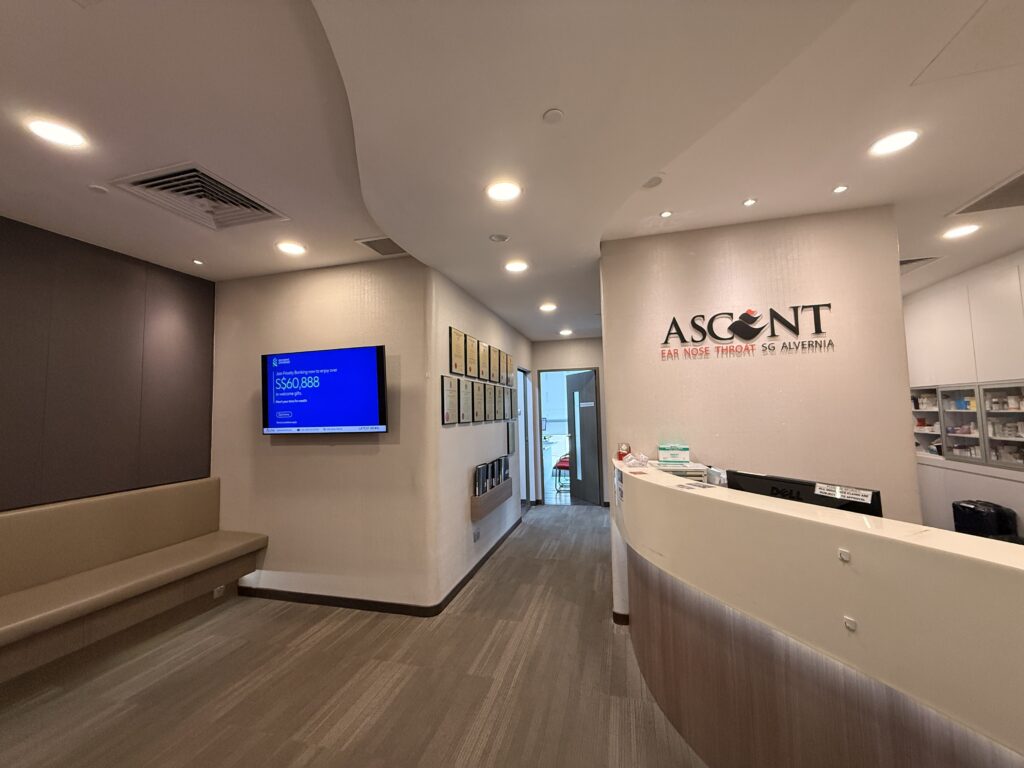
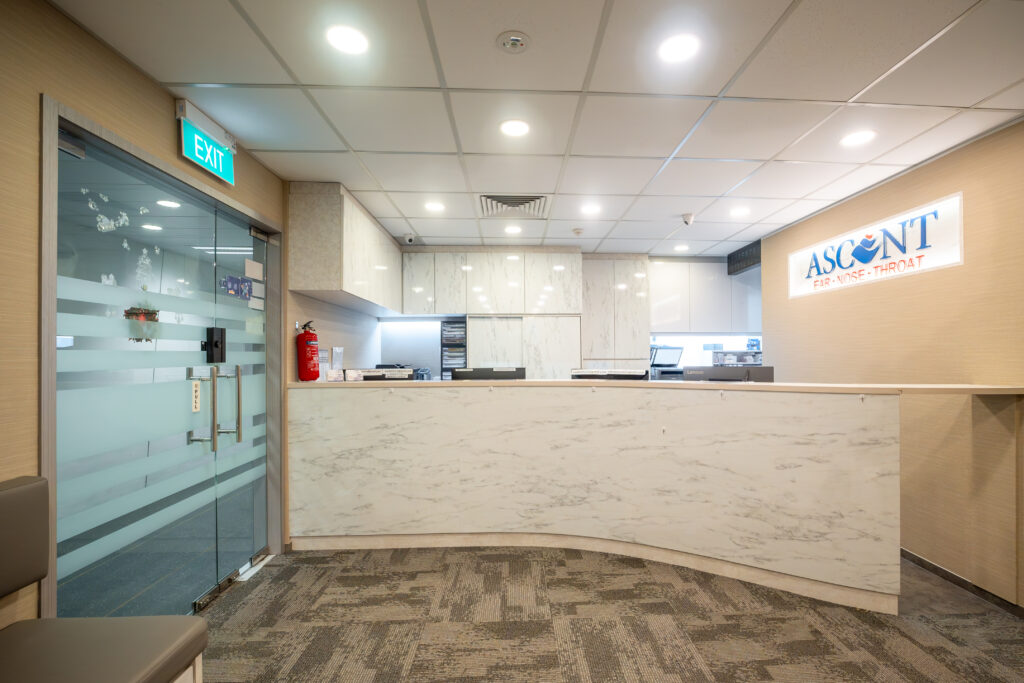
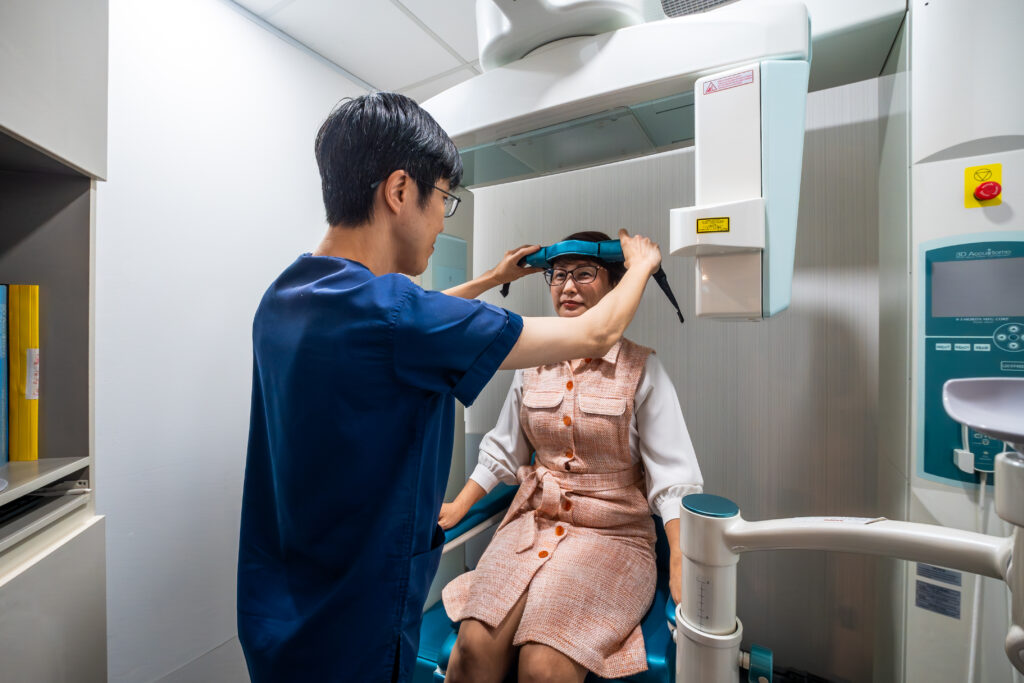
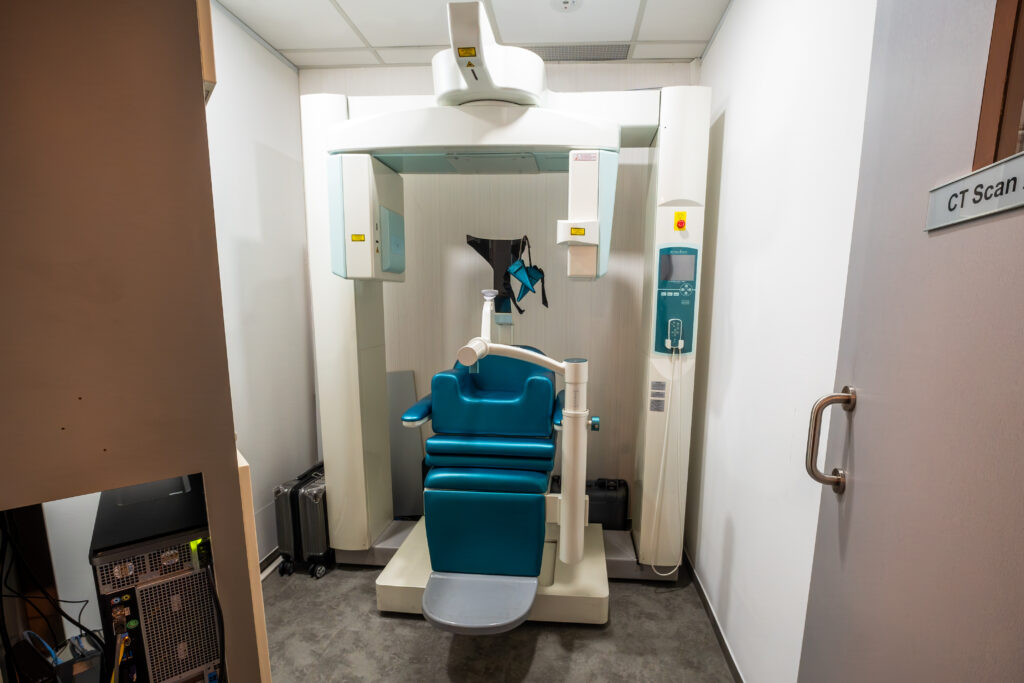
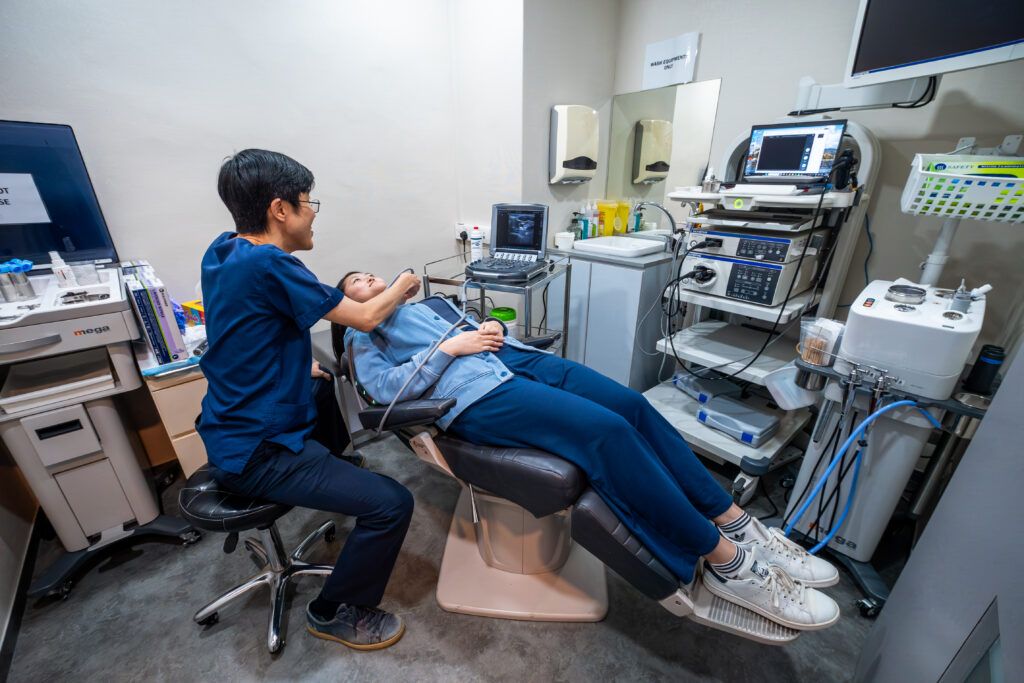
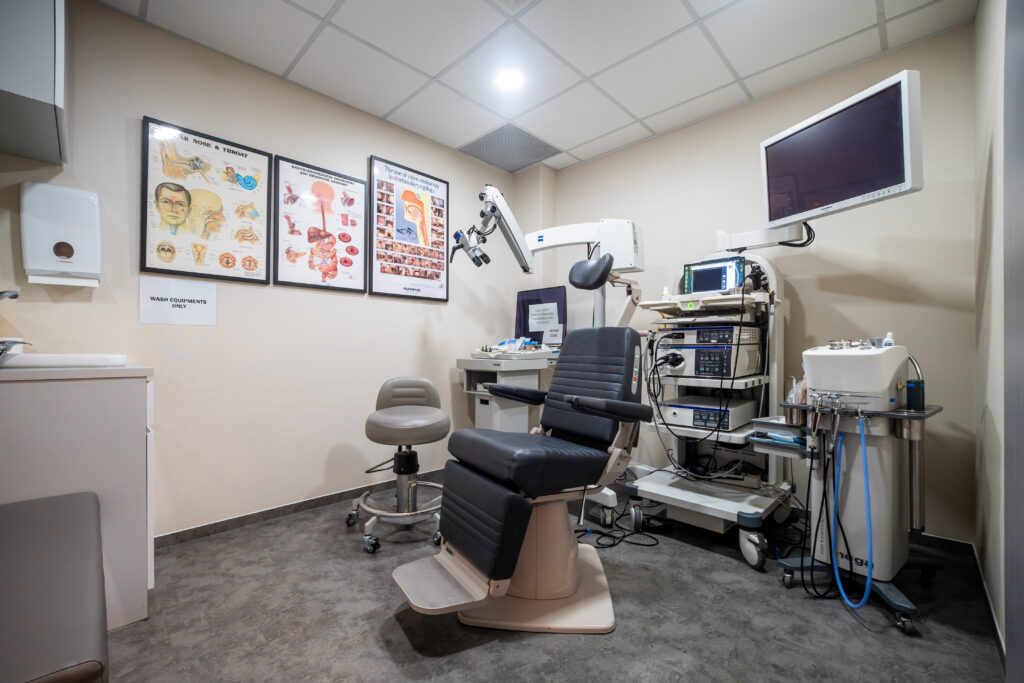
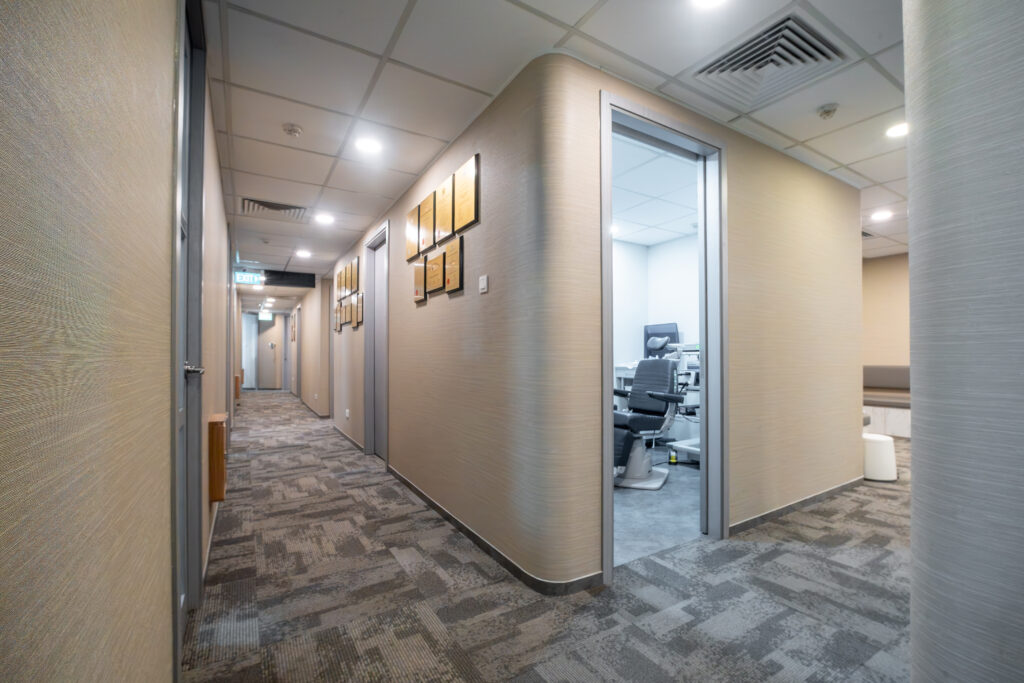
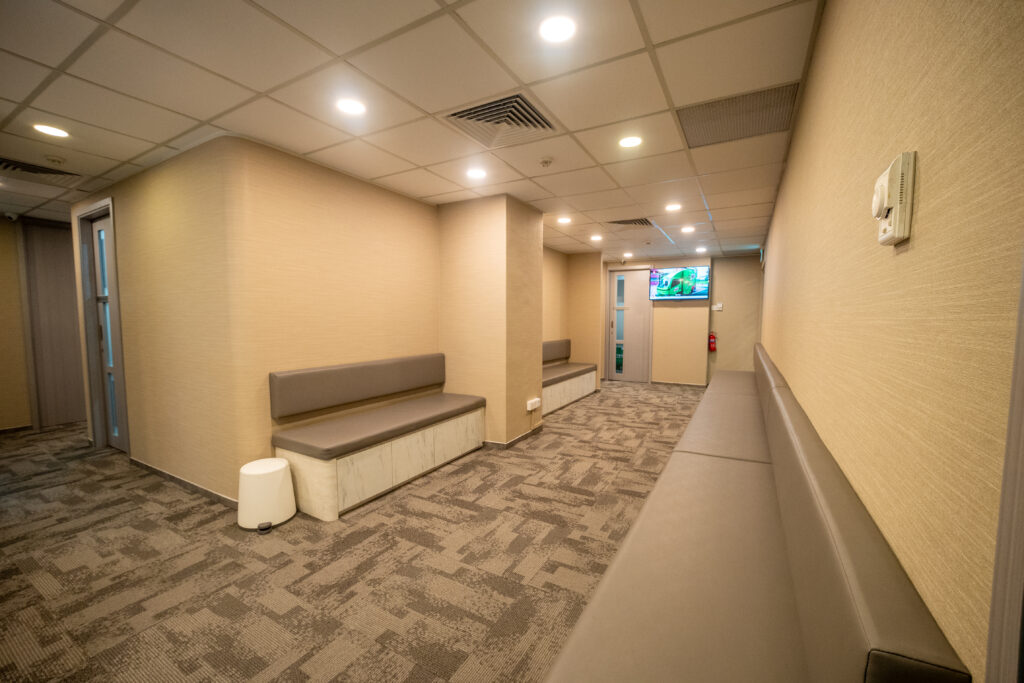
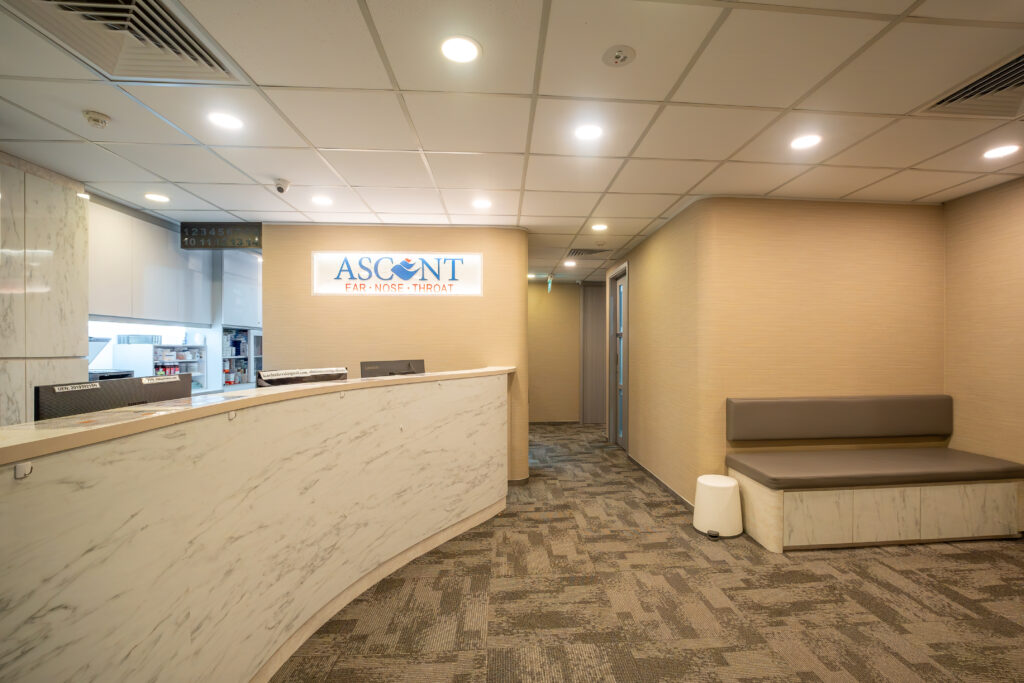
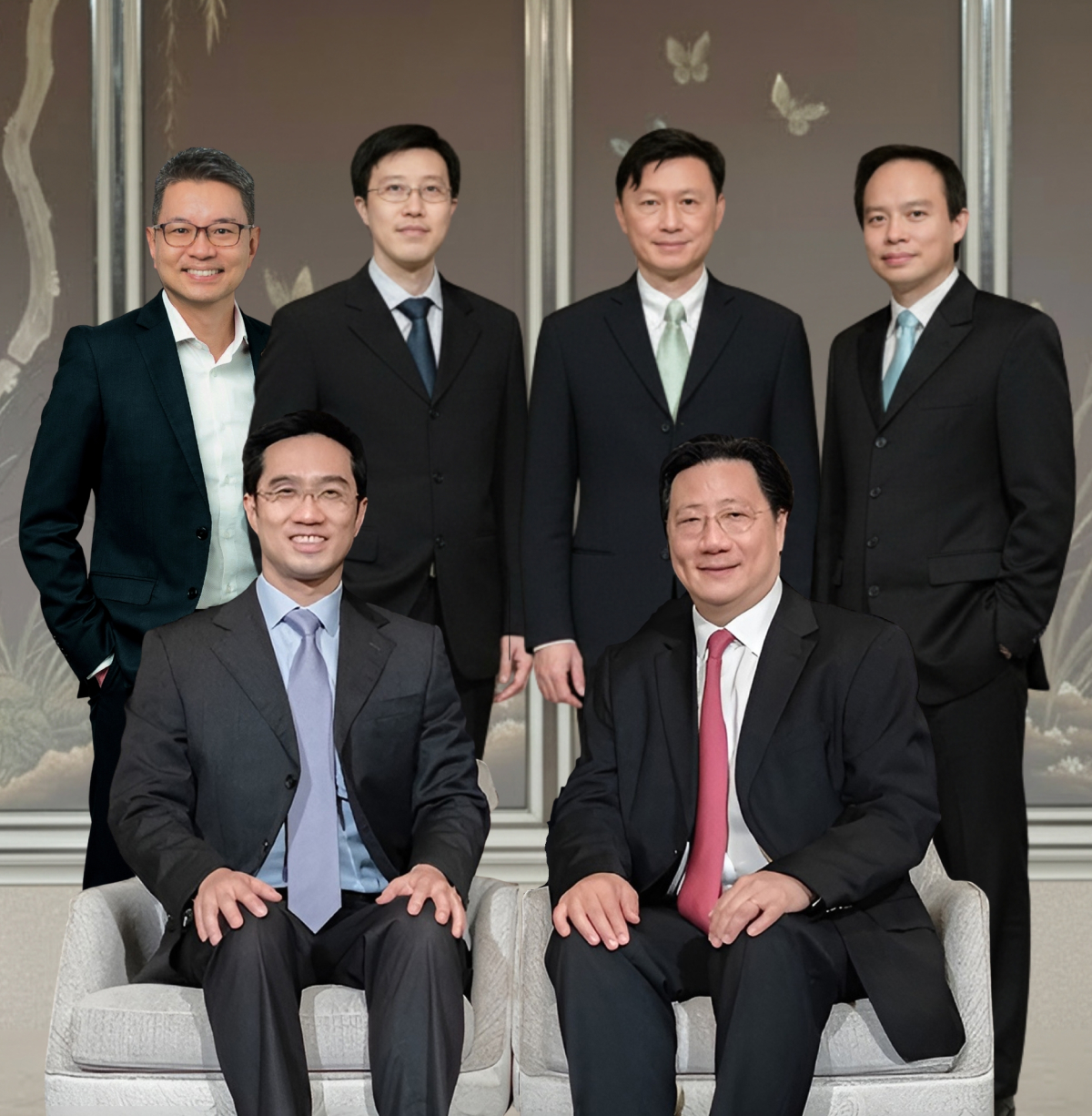

Our Main Clinic
Feel free to drop by our clinic and meet our specialist
-
Mount Elizabeth Medical Centre
3 Mount Elizabeth #09-03/04/05
Singapore 228510 -


Other Practice Locations
Parkway East Medical Centre
-

319 Joo Chiat Place #03-02 Singapore 427989
-

-
Mount Alvernia Medical Centre D
-
820 Thomson Road #08-63 Singapore 574623
-
-
Frequently Asked Questions
How long does it take for a CSF leak to heal after surgery?
Postoperatively, patients are typically required to stay in the hospital for two to three days to help facilitate the healing process and closely monitor for any leak recurrence. The repair site generally takes about four to six weeks to heal completely.
What should I do or not do during the recovery period?
You should rest for several days after the procedure and avoid strenuous activities. Any postoperative instructions on care and recovery by your doctor should also be closely followed.