Nose & Sinus
Treatment Options for Sinus Infection

A sinus infection, also known as sinusitis, occurs when the cavities around the nasal passages become inflamed due to an infection. Sinus infections can be caused by viruses, bacteria, or allergens, leading to symptoms such as nasal congestion, facial pain or pressure, headaches, thick nasal discharge, and a reduced sense of smell.
Types of Sinusitis
Sinusitis presents in multiple forms, each with its own set of characteristics.
Acute Sinusitis: Typically caused by a viral infection, such as the common cold, and lasts up to four weeks. Symptoms include facial pressure, nasal obstruction, and thick nasal discharge. Bacterial infections may develop after the initial virus.
Chronic Sinusitis: Chronic sinusitis persists for 12 weeks or longer, often due to prolonged inflammation, allergies, or structural issues like a deviated septum. Sinus infections are often exacerbated by a narrow nasal passage. If a crooked midline is preventing proper sinus drainage, Deviated Septum Surgery in Singapore may be recommended alongside sinus treatment to improve overall airflow and reduce the frequency of infections. It causes ongoing nasal blockage, post-nasal drip, and difficulty breathing and may require specialised treatment.
Recurrent Sinusitis: Recurrent sinusitis involves several episodes of acute sinusitis throughout the year, often triggered by untreated allergies, a weakened immune system, or persistent irritants.
Recognising the different types of sinus infections helps guide appropriate treatment options and effectively manage symptoms. Early diagnosis and intervention are key to preventing complications, such as the spread of infection or chronic sinus problems.
Non-surgical Treatment Options for Sinus Infections
Non-surgical treatments are typically the first line of defence against sinus infections. Here are some recommended methods for managing symptoms.
Medication
Over-the-Counter Treatments
ENT specialists may recommend decongestants for temporary relief of nasal congestion. Saline nasal sprays are a safe and effective option to keep nasal passages clear and moisturised. Pain relievers like ibuprofen can help ease facial pain and pressure. Nasal irrigation using saline rinses is another effective method to flush out mucus and allergens, improving breathing and overall comfort.
Prescription Medications
For bacterial sinus infections, antibiotics may be prescribed when necessary. Nasal corticosteroid sprays are commonly prescribed to reduce inflammation and sinus congestion in severe cases.
For allergy-related sinus infections, antihistamines may be recommended to minimise allergic reactions. In cases of recurrent sinusitis caused by allergies, long-term allergy management (including testing, medications, and immunotherapy) may also be part of the treatment plan to prevent future sinus issues.
Home Remedies and Self-Care
Steam inhalation can help relieve nasal congestion by moistening and opening the nasal passages. Nasal irrigation, using saline rinses, is another effective method to flush out mucus and allergens, improving breathing. Staying hydrated and getting adequate rest can also support recovery and ease symptoms.
Prevention Strategies
Using humidifiers to keep the air moist, especially in dry environments, can help prevent sinus infections. Avoiding known allergens and irritants, such as smoke or pollen, can also lower the risk of sinusitis.

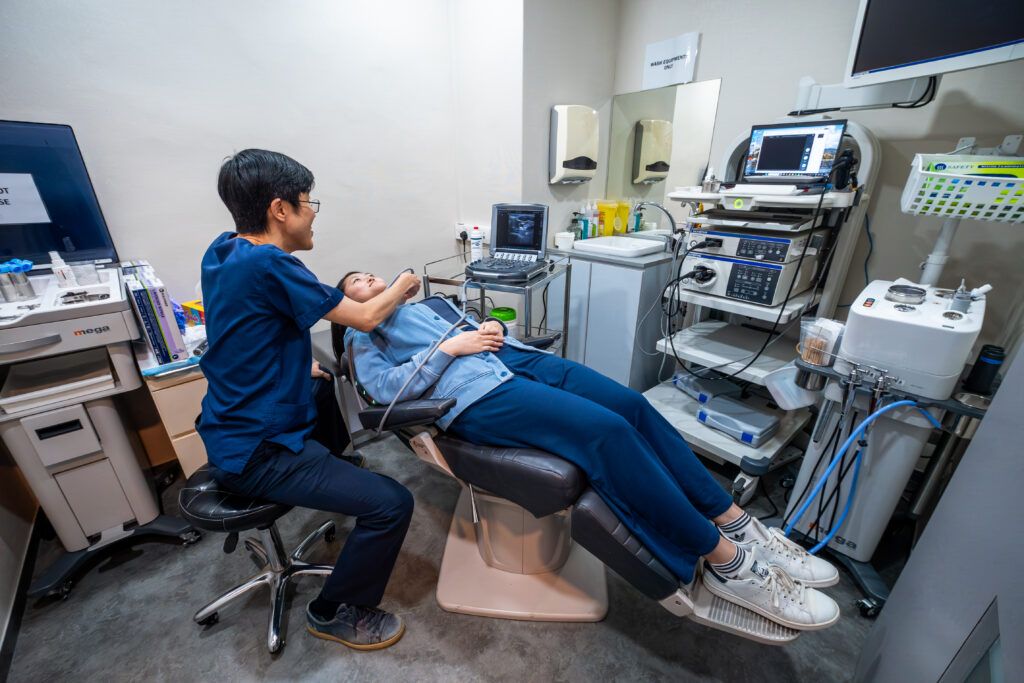
Sinusitis Patient In Singapore
Surgical Treatment Options for Chronic Sinus Infections
When non-surgical treatments are ineffective or if sinus infections become chronic, surgical interventions may provide long-term relief.
Endoscopic Sinus Surgery
When medical therapy fails to clear deep-seated inflammation, surgical drainage may be required. Functional Endoscopic Sinus Surgery Singapore is a common procedure used to remove obstructive tissue and restore ventilation to the paranasal sinuses.
Endoscopic sinus surgery is a minimally invasive procedure that uses an endoscope and specialised tools to remove blockages in the sinuses, such as polyps or inflamed tissue. This helps restore normal sinus drainage and airflow, reducing the frequency of infections and improving breathing.
Balloon Sinuplasty
Balloon sinuplasty involves inserting a small balloon catheter into the blocked sinus and gently expanding it to widen the sinus opening. Some patients may be candidates for a “keyhole” procedure that preserves the natural nasal anatomy. Consulting a Balloon Sinuplasty Specialist in Singapore can help you determine if a balloon catheter can be used to dilate blocked sinus openings without the need for tissue removal. This procedure is less invasive and allows for quicker recovery compared to traditional surgery, helping restore normal sinus drainage.
Turbinate Reduction
Turbinate reduction surgery reduces the size of enlarged turbinates in the nose, which can contribute to chronic nasal blockage. By decreasing their size, this procedure enhances airflow through the nasal passages, relieving sinus pressure and congestion.
Conclusion
Managing sinus infections may require a combination of treatment options depending on the severity and cause of the infection. Non-surgical treatments like medications, nasal sprays, and home remedies can often provide effective relief. For chronic or severe cases, surgical options may be necessary to restore normal sinus function. Early intervention can help prevent recurrence and improve overall sinus health.
Contact us today to explore the best treatment options for your sinus infection and find lasting relief.