

Comprehensive Services
Providing the highest standard of ENT care in Singapore and the region.

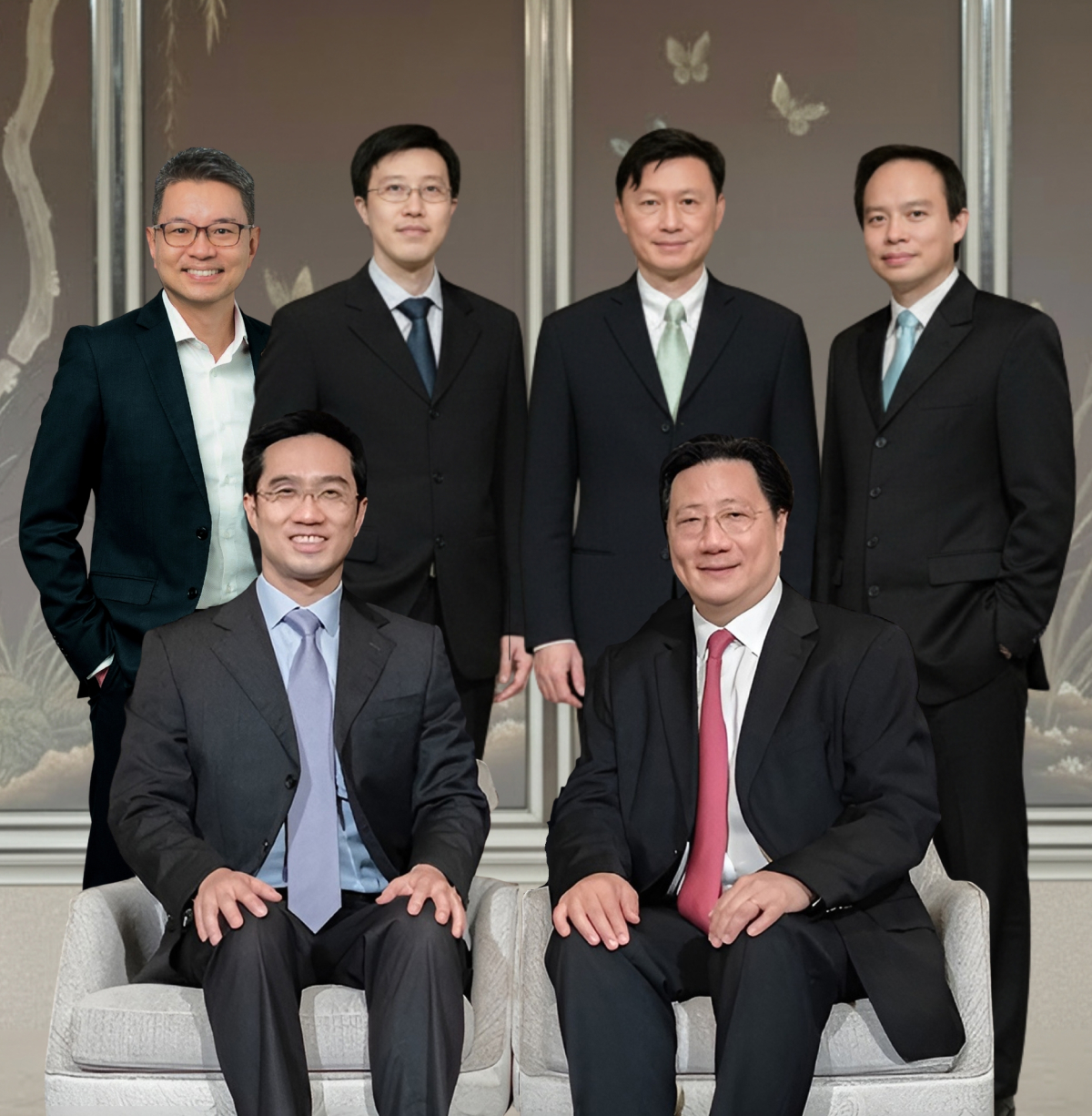
Accredited Specialists
Senior ENT surgeons with internationally-recognised fellowship training.

Convenient Locations
3 Clinics conveniently located in Orchard, Thomson, and Joo Chiat.

Why Do I Need Audiometry?
An audiometry test can detect the early stages of hearing loss and is typically done as part of a health checkup routine. Early detection of mild hearing loss can prevent the worsening of the condition, which can lead to further complications such as ear infections or even permanent deafness.
What Is Audiometry?
An audiometry examination tests your hearing functions and ability to hear sounds. Sounds can vary in terms of loudness (intensity) and the speed of sound wave vibrations (tone).
Hearing occurs when sound waves stimulate the inner ear's nerves, which then travel along nerve pathways to the brain. Sound waves can travel to the inner ear through the ear canal, eardrum, or the bones of the middle ear.
What To Expect Afterwards?
After the test, your doctor will review your results with you. Depending on how well you respond to the sounds, your doctor will advise you on your next step, such as whether you require any corrective treatment measures for your hearing loss.
For Singaporeans & Singapore Permanent Residents
Insurance & Medisave Partners
Certain ENT procedures are claimable under Medisave, and the exact amount would depend on the procedure. For more information, please speak to our friendly clinic staff about using your insurance plan, Integrated Sheild Plan, or Medisave.
Please note: All three Ascent ENT clinics and all our doctors are recognized Prudential Panel providers, making it easier for Prudential policyholders to access specialist ENT care across our network. Please verify your specific plan coverage with Prudential before booking.

















What Happens During Audiometry?
There are a few tests involved in an audiometry assessment, including:
Pure tone test
This measures the quietest sound you can hear at different pitches and involves using an audiometer, a machine that plays sounds via headphones. During the test, you will wear the headphones that transmit specific sounds into one ear at a time. You will then respond and indicate the sounds you can hear by raising your hands.
Tuning fork test
A specialised tuning fork will be used by an ENT doctor in Singapore to determine the type of hearing loss by measuring how well you hear vibrations through your ears when the metal device is placed against the bone behind your ear (mastoid). Alternatively, a bone oscillator, which is a mechanical device that transmits vibrations similar to a tuning fork, may also be used to determine how well vibrations pass through the bone to your inner ear.
Speech audiometry
This tests your ability to distinguish speech from background noise by asking you to repeat spoken words at different volumes played through an earphone.
When Should You See An ENT Specialist In Singapore??
-
Any Ear, Nose or Throat symptoms that you are troubled with or concerned of
-
Persistent blocked nose with mouth breathing or snoring
Visit Us Today
Our Clinic
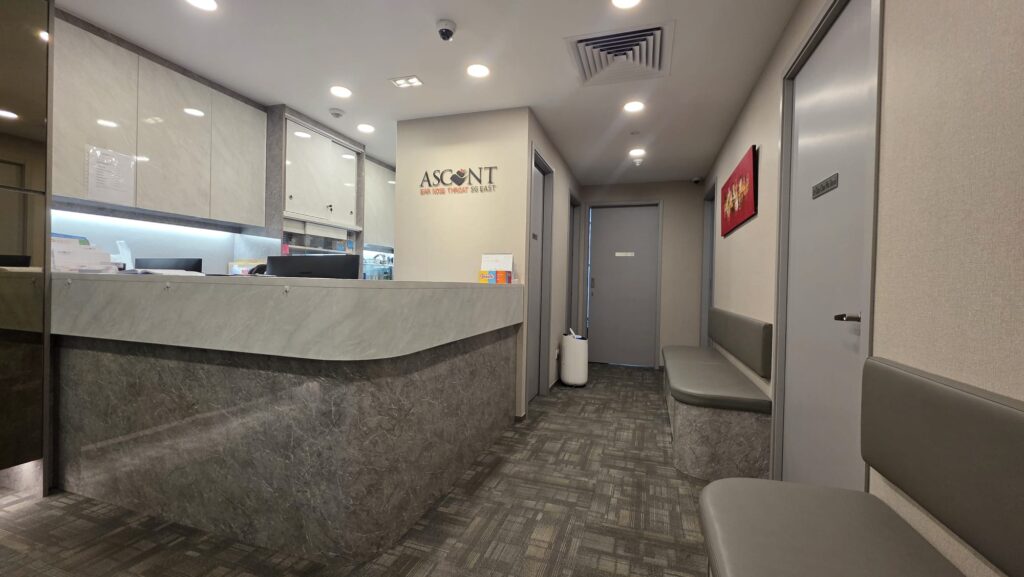
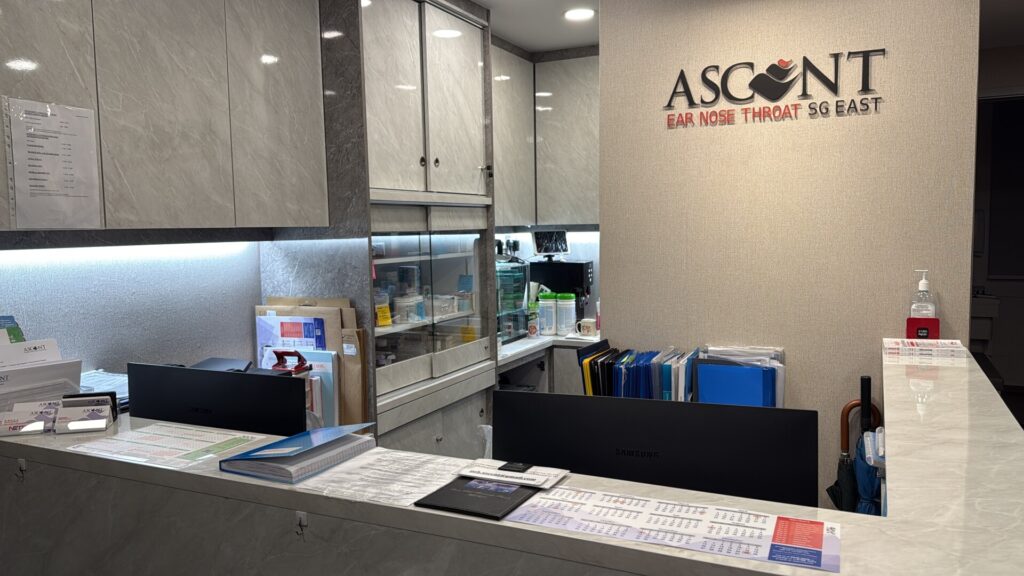
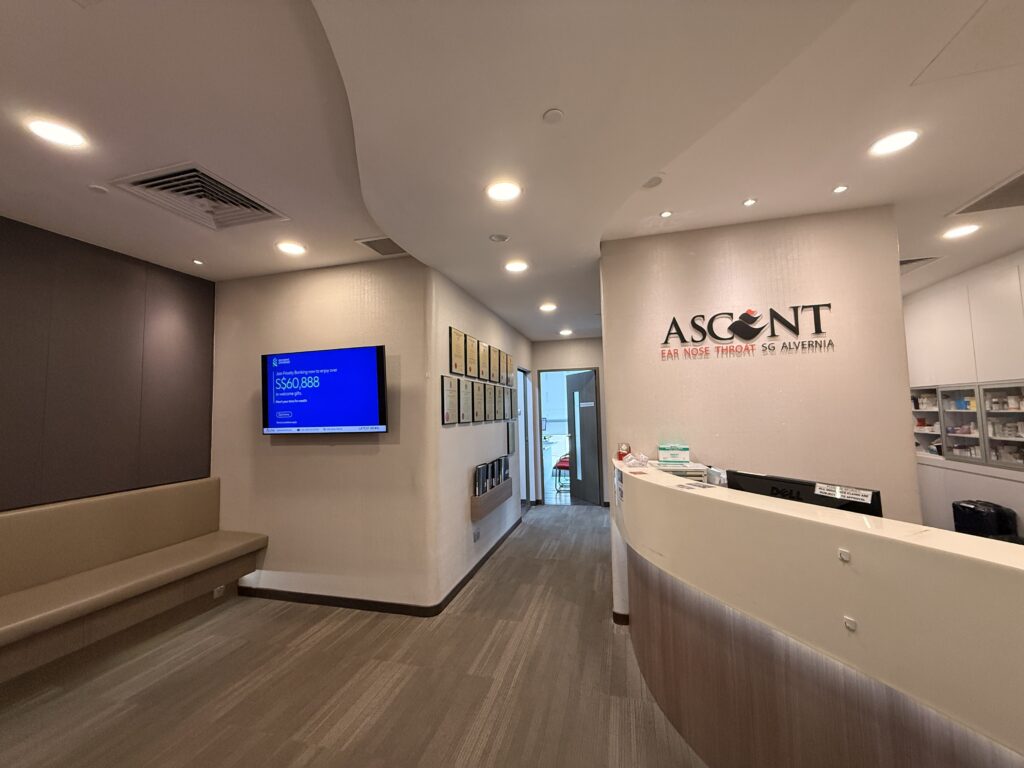
Visit us at any of our 3 convenient locations in Singapore!
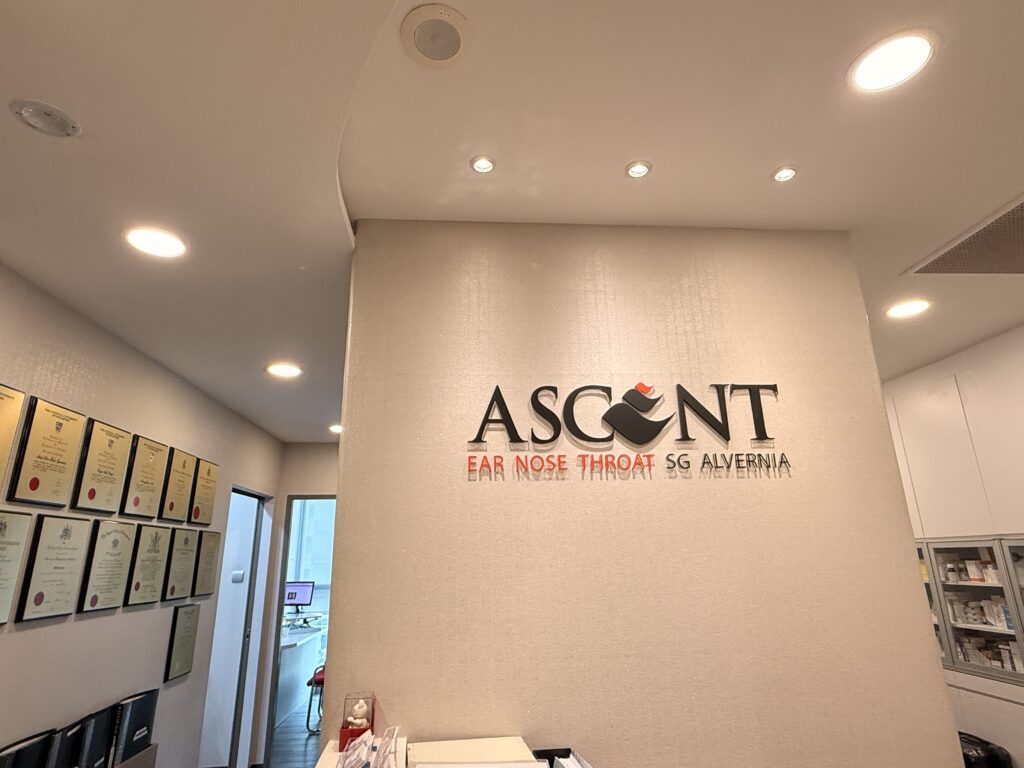
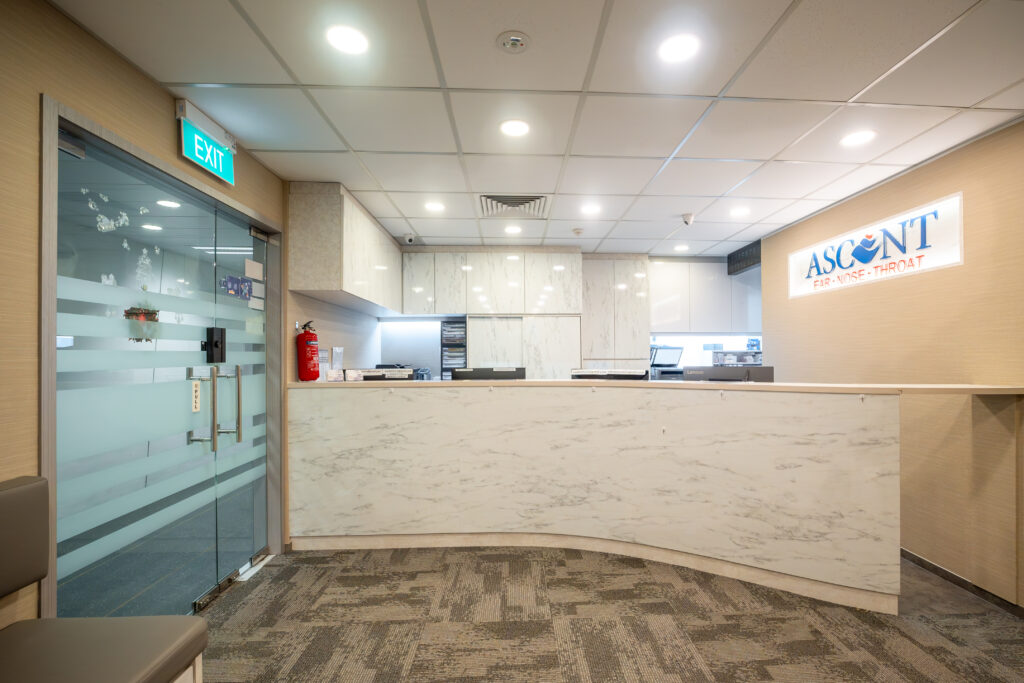
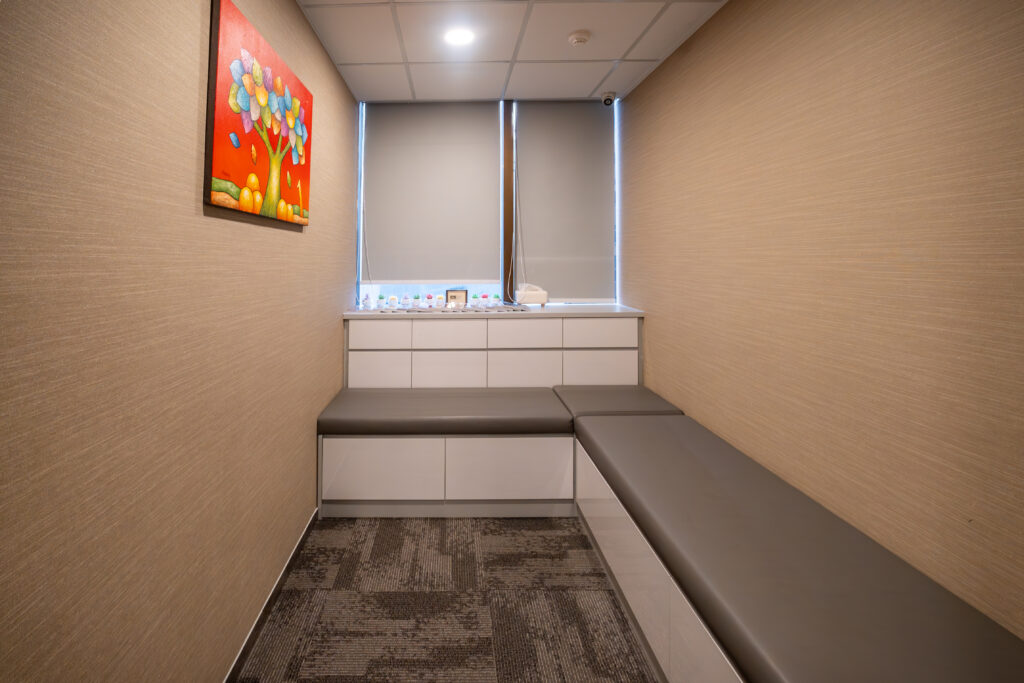
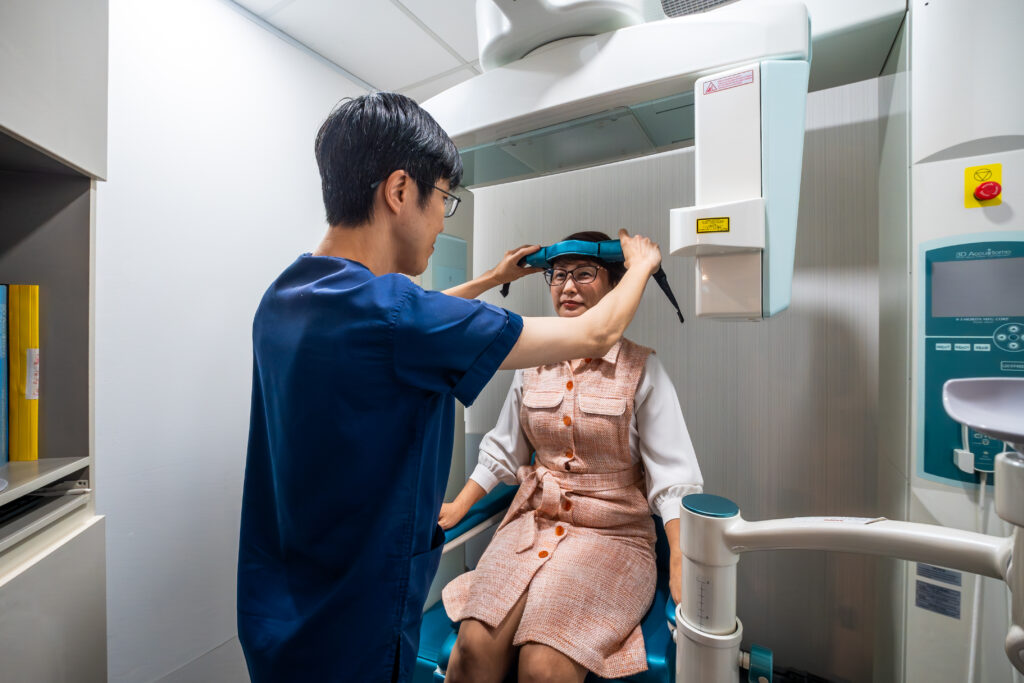
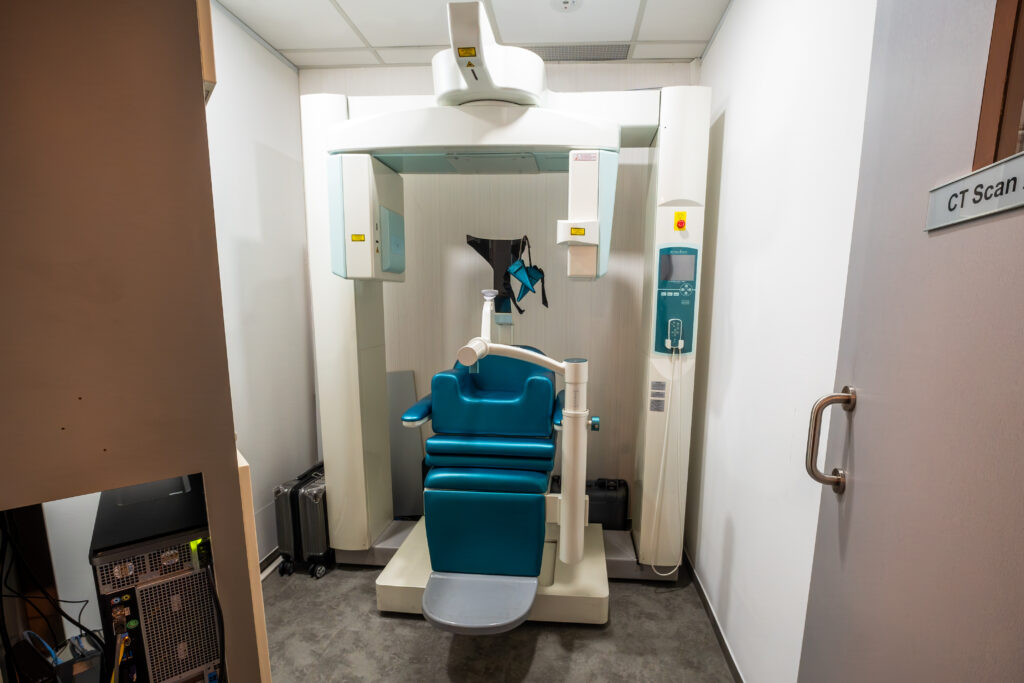
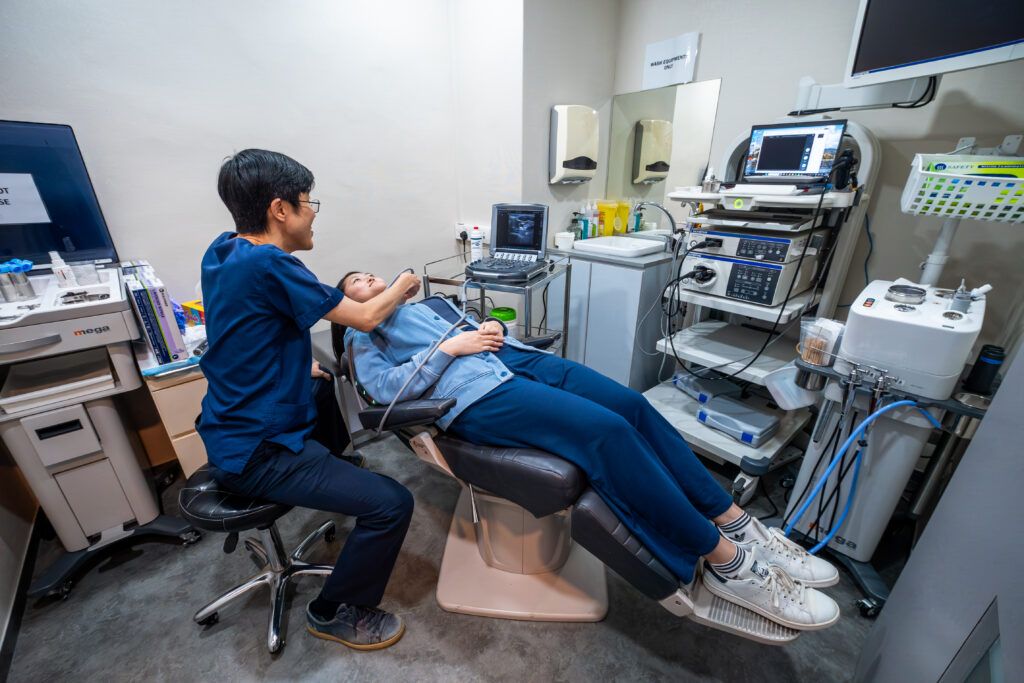
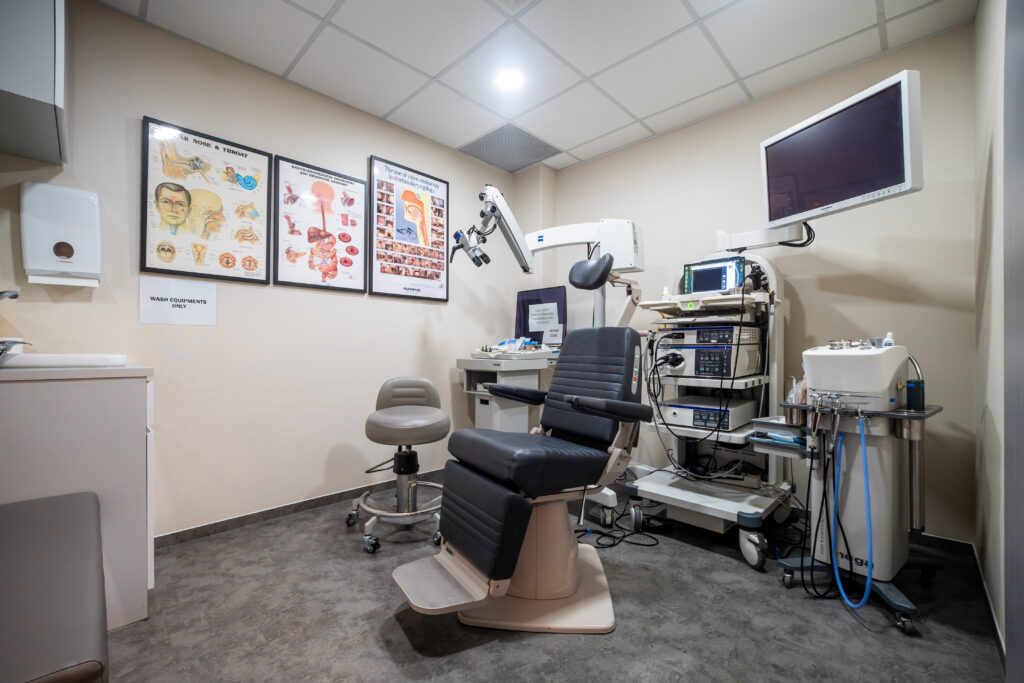
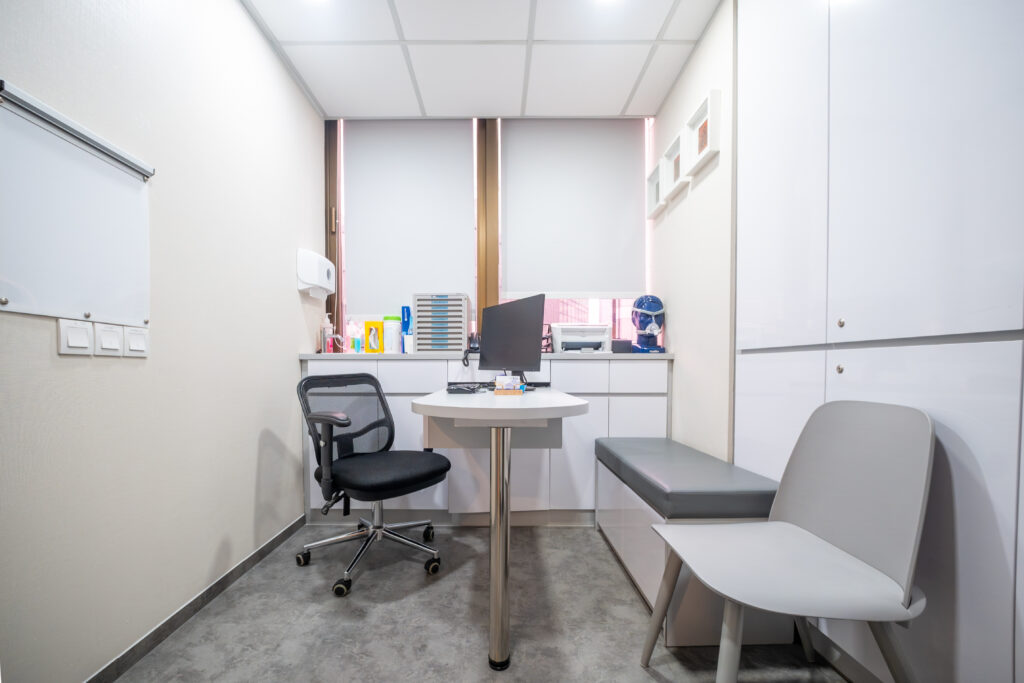
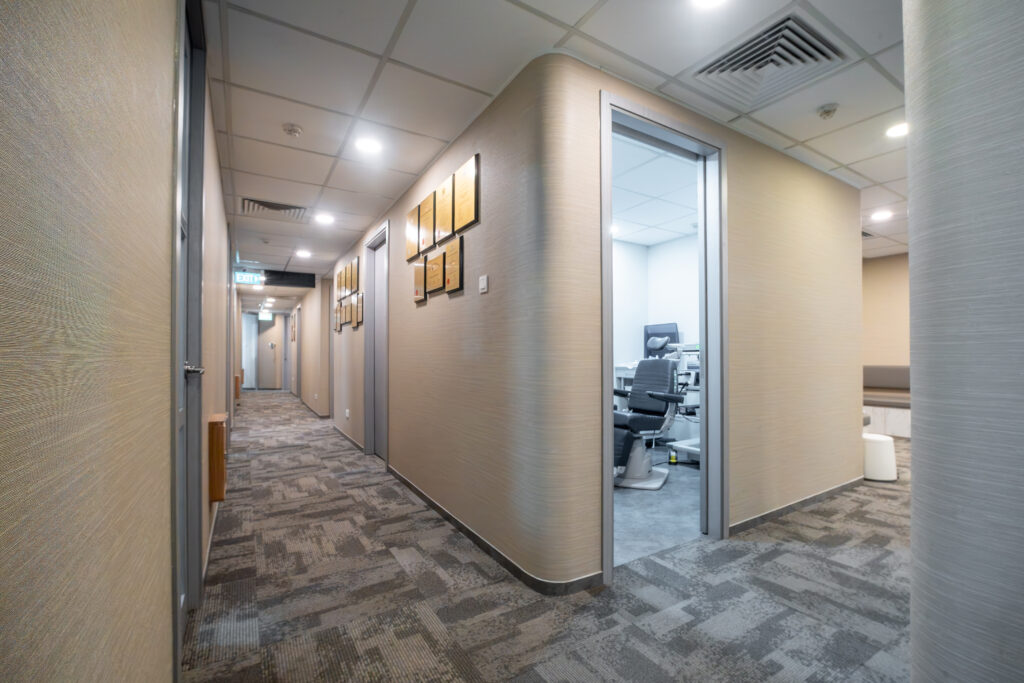
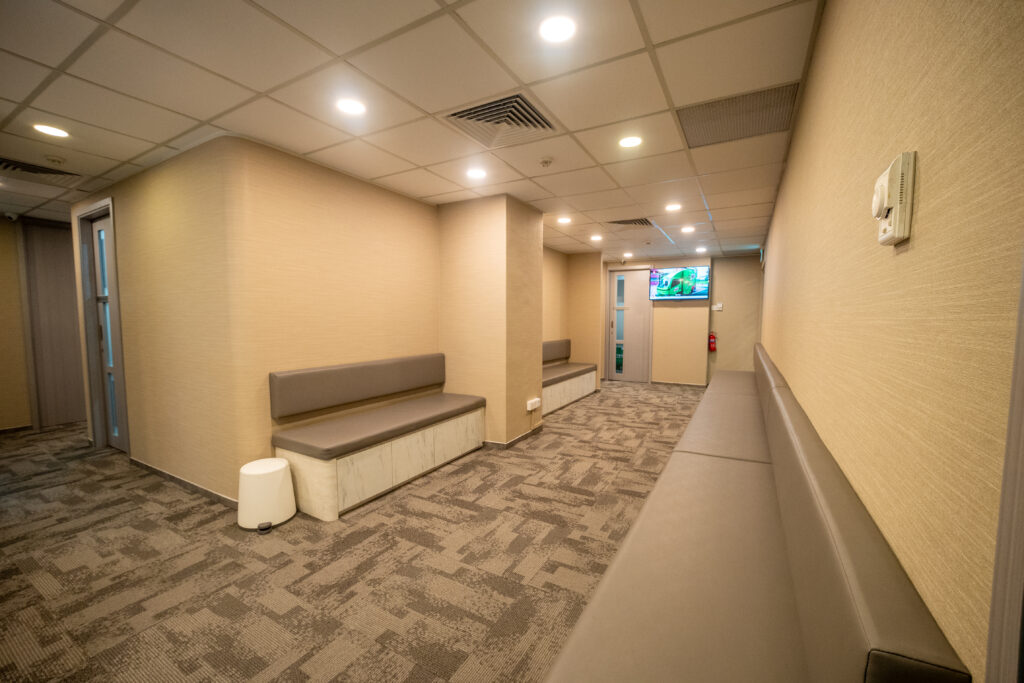
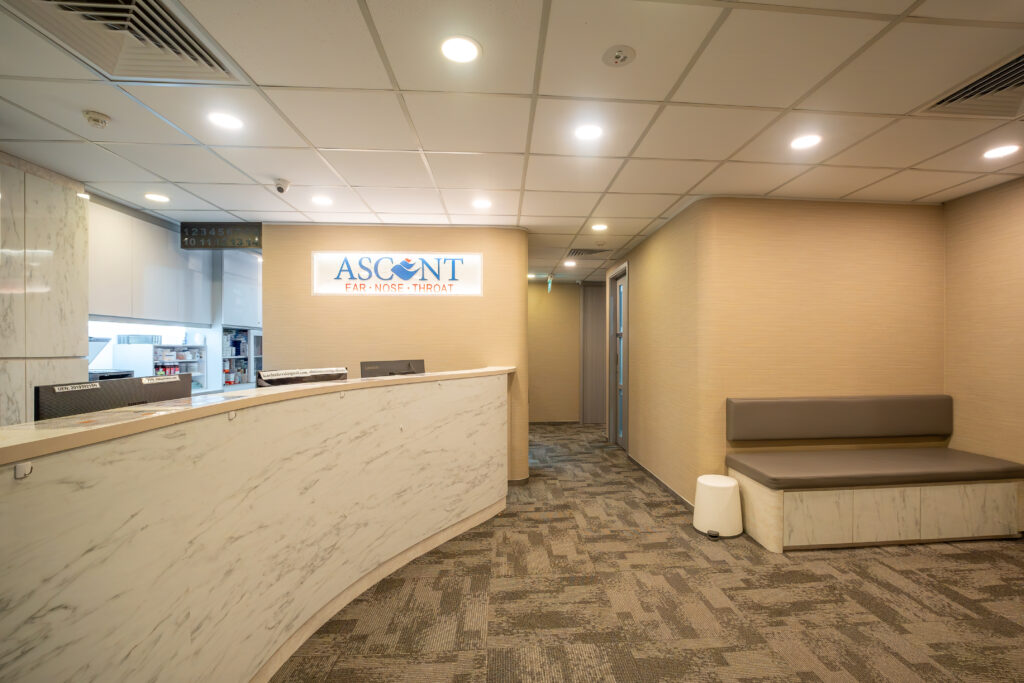

Our Main Clinic
Feel free to drop by our clinic and meet our specialist
-
Mount Elizabeth Medical Centre
3 Mount Elizabeth #09-03/04/05
Singapore 228510 -


Other Practice Locations
Parkway East Medical Centre
-

319 Joo Chiat Place #03-02 Singapore 427989
-

-
Mount Alvernia Medical Centre D
-
820 Thomson Road #08-63 Singapore 574623
-
-
Frequently Asked Questions
Are there any risks associated with Audiometry?
There are no risks related to the audiometry test as it is non-invasive and can be done in any ENT clinic in Singapore.
How long does audiometry take?
The length of tests varies. An initial screening may take about 5 to 10 minutes, while a detailed audiometry assessment may take up to 1 hour.
Related Posts

Ear, Hearing, & Balance