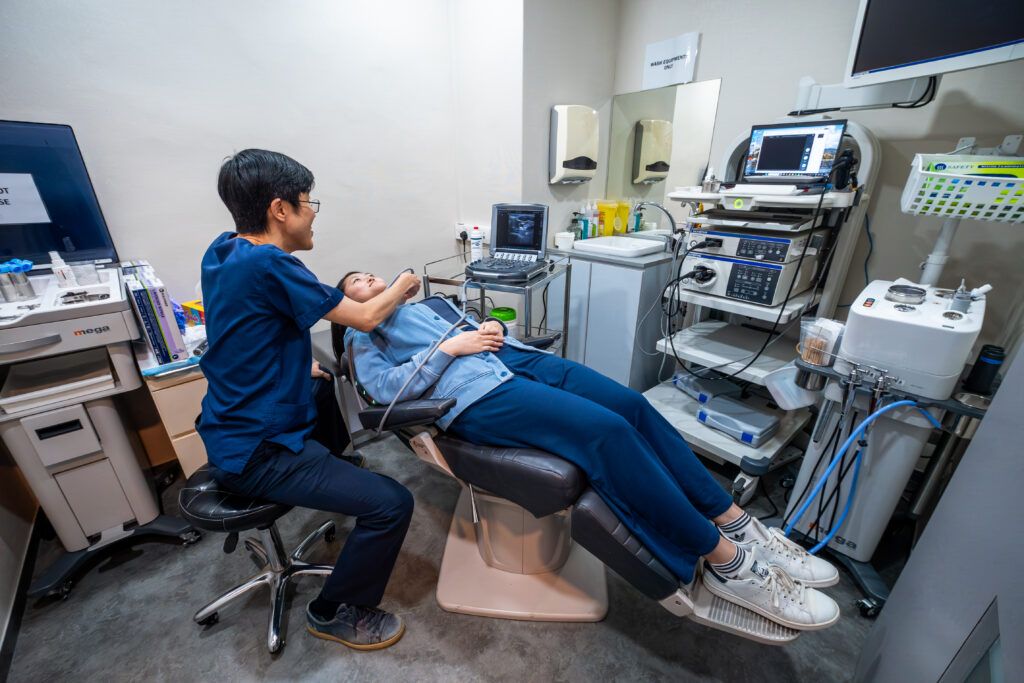
Voice and Hoarseness: Treatment Options for Vocal Health

Does your voice sound rough, breathy, or strained despite your efforts to rest it? Voice hoarseness manifests as roughness, breathiness, or strain that alters your normal vocal quality. It is often accompanied by throat discomfort or voice fatigue. While acute hoarseness typically resolves within days with vocal rest and hydration, persistent changes lasting beyond 2 weeks may require alternative therapeutic approaches.
While many cases of hoarseness are due to temporary strain or infection, a professional diagnosis is vital for long-term vocal health. You may consult an ENT Specialist Singapore at any of our clinics for a comprehensive assessment of your throat and voice function.
The larynx (the voice box in your throat) contains delicate vocal folds. These folds vibrate during speech, making them susceptible to inflammation, infection, or structural changes. Treatment outcomes depend on identifying the underlying cause.
Hoarseness may stem from:
- Functional issues like muscle tension
- Organic conditions such as nodules (small growths on the vocal cords) or polyps (soft, blister-like growths)
- Systemic factors affecting the vocal mechanism
Relief Strategies for Acute Hoarseness
Steam inhalation provides relief by delivering moisture directly to inflamed vocal folds (the tissues in your voice box that vibrate to produce sound). It can help reduce surface viscosity and ease vibration. Inhale steam from a bowl of hot water with a towel over your head for several minutes. Breathe through your mouth to maximise laryngeal exposure. The warm, humid air helps reduce mucosal irritation and can assist in clearing thick secretions that impede vocal fold movement.
Complete voice rest means avoiding all vocalisation, including whispering, which actually strains the vocal mechanism more than everyday speech. Text messaging, writing notes, or using gestures become temporary communication methods during the initial period of acute laryngitis (sudden inflammation of the voice box). Modified voice rest allows necessary speaking at a lower volume with frequent breaks.
Throat lozenges containing glycerin or pectin create a protective coating over pharyngeal tissues, though they don’t directly reach the vocal folds located lower in the larynx. Choose sugar-free varieties to avoid the drying effects on the throat and maintain steady saliva production. Avoid menthol or eucalyptus lozenges, which can dry out tissue despite their temporary cooling sensation.
Room humidification maintains ambient moisture at moderate relative humidity. This helps prevent vocal fold dehydration during sleep or extended indoor periods. Position humidifiers away from walls to prevent mould growth and clean them regularly to avoid bacterial colonisation. Portable personal humidifiers offer targeted relief during travel or in dry office environments.
Medical Treatments for Persistent Voice Problems
If voice changes persist for more than two weeks, a detailed examination of the larynx is necessary. A Head & Neck ENT Specialist in Singapore can perform a laryngoscopy to evaluate the vocal folds for nodules, polyps, or other lesions.
Corticosteroids (medications that reduce swelling and inflammation) reduce vocal fold inflammation through systemic or localised administration. They provide treatment for severe oedema (fluid build-up) or allergic reactions affecting the larynx. Oral prednisolone follows a tapering schedule over several days. Inhaled steroids provide targeted anti-inflammatory effects with fewer systemic side effects. Direct steroid injection into vocal fold lesions (areas of abnormal tissue) can treat localised inflammation or scarring.
Proton pump inhibitors address laryngopharyngeal reflux, where stomach acid reaches the throat and irritates vocal fold tissues. Medications such as omeprazole or lansoprazole require consistent morning administration before breakfast to achieve effective acid suppression (by blocking acid production). Treatment typically continues for several weeks. Dietary modifications can enhance medication effectiveness.
Antibiotics target bacterial laryngitis (infection of the voice box caused by bacteria). However, viral infections cause many cases of acute hoarseness. Bacterial involvement presents with purulent secretions (pus-like discharge), fever, cervical lymphadenopathy (swollen lymph nodes in the neck), and voice changes. Culture-directed therapy helps with appropriate antibiotic selection whilst avoiding unnecessary treatment for viral conditions.
Botulinum toxin injections treat spasmodic dysphonia (a condition where the voice muscles spasm involuntarily) by temporarily weakening overactive laryngeal muscles, causing voice breaks or strain. The doctor uses electromyographic guidance (a technique that monitors muscle activity) to accurately place the injection into specific muscles of the voice box. Effects last several months. Repeated treatments may be necessary for sustained voice improvement.
Voice Therapy Techniques
Resonant voice therapy trains vocal production by focusing vibrations in the facial mask area (your cheeks, nose, and lips) rather than the throat. Place your hand on your chest and hum. Gradually move the sensation upward to your face and lips. This forward focus can help reduce laryngeal tension (tightness in the voice box) whilst maintaining vocal power for voice users.
Semi-occluded vocal tract exercises involve making sounds through straws or lip trills, creating back-pressure that promotes gentle vocal fold vibration. Start with larger diameter straws and progress to smaller ones as coordination improves. Water resistance therapy, blowing bubbles through a straw in water, adds variable resistance for dynamic vocal fold training.
Circumlaryngeal massage helps release tension in the external laryngeal muscles (the muscles around your voice box), contributing to voice strain and fatigue. The speech therapist applies gentle pressure to the hyoid bone (a small bone in your neck), thyroid cartilage (the front part of your voice box), and surrounding muscles whilst you produce sustained vowels. Self-massage techniques between therapy sessions can help maintain muscle flexibility and reduce compensatory tension patterns.
Vocal function exercises strengthen and balance the laryngeal mechanism (the voice box system) through systematic pitch glides and sustained phonation tasks (holding notes steadily). Maximum phonation time exercises build respiratory-phonatory coordination (how breathing and voice production work together), whilst pitch glides improve vocal fold flexibility. Daily short-duration practice sessions support gradual improvements in vocal stamina and quality.
Surgical Interventions
Microlaryngoscopy with excision removes benign vocal fold lesions (non-cancerous growths on the vocal cords). This includes nodules, polyps, and cysts that don’t respond to conservative treatment. The procedure uses microscopic visualisation and microsurgical instruments. These tools remove abnormal tissue whilst preserving healthy vocal fold layers. Cold steel techniques (using traditional surgical instruments rather than lasers) can reduce thermal injury compared to laser excision for many benign lesions.
Injection laryngoplasty augments vocal fold volume (adds bulk to the vocal cords). It treats paralysis, atrophy (wasting), or scarring causing incomplete glottic closure (when the vocal cords don’t close properly). Temporary materials like hyaluronic acid (a gel-like substance naturally found in the body) can provide immediate improvement. The results last several months. This approach helps determine the appropriate injection volume and site. Permanent materials include autologous fat (fat taken from your own body) and calcium hydroxylapatite. These can offer long-term augmentation for stable deficits.
Thyroplasty procedures alter laryngeal framework dimensions (change the structure of the voice box). This can improve vocal fold positioning and tension. Type I thyroplasty medialises paralysed vocal folds (moves a paralysed vocal cord toward the centre). The surgeon creates a small opening in the thyroid cartilage and places an implant to reposition the vocal cord. Type III thyroplasty shortens the vocal folds to elevate pitch in gender-affirming voice surgery. These procedures preserve vocal fold mucosa (the delicate surface layer of the vocal cords) whilst addressing structural positioning issues.
KTP laser treatment targets vascular lesions (abnormal blood vessel growths), such as haemorrhagic polyps or ectasias. It works through selective photothermolysis (a process in which light energy is converted into heat to destroy specific tissue). The wavelength is absorbed by haemoglobin (the oxygen-carrying protein in blood). This coagulates blood vessels (sealing them closed) whilst sparing the surrounding tissue. Office-based KTP laser procedures use topical anaesthesia (numbing medication applied to the surface). This approach avoids the risks of general anaesthesia for suitable lesions.
Lifestyle Modifications for Vocal Health
Hydration requires consuming water throughout the day rather than large volumes at once. This helps maintain consistent vocal fold lubrication (keeping the vocal cords moist and flexible). Room temperature water absorbs faster than cold beverages, reaching systemic circulation within a relatively short timeframe. Monitor urine colour as a hydration indicator. Pale yellow indicates adequate fluid balance.
Dietary adjustments can help reduce the triggers of laryngopharyngeal reflux (acid from the stomach reaching the throat and voice box). These triggers include:
- Caffeine
- Alcohol
- Tomato-based foods
- Spicy dishes
Eat smaller meals and avoid lying down within several hours of eating to minimise acid exposure to the larynx (voice box). Elevate the head of your bed a moderate distance using blocks under the bed legs rather than extra pillows. Chronic throat irritation can sometimes be linked to underlying sleep-disordered breathing or silent reflux. In such cases, collaborating with a Sleep Specialist in Singapore can help address nocturnal issues that may be contributing to your daytime voice symptoms. Extra pillows can worsen reflux by increasing abdominal pressure.
Environmental modifications remove vocal irritants from living and working spaces. Replace aerosol sprays with pump bottles, use fragrance-free cleaning products, and help with adequate ventilation when using chemicals. Indoor plants like peace lilies and spider plants filter air pollutants whilst adding humidity.
Voice pacing distributes vocal demands throughout the day rather than in concentrated periods of heavy use. Schedule voice-intensive tasks for the morning when vocal folds (the tissues in your voice box that vibrate to create sound) are rested, alternating with quiet activities. Use amplification devices (such as microphones or portable speakers) for teaching or presentations to reduce vocal force requirements—plan voice rest periods before and after vocally demanding events.
Alternative and Complementary Approaches
Acupuncture protocols targeting laryngeal function focus on points along the conception vessel and kidney meridian believed to influence voice production. Needles placed at Ren 22 (tiantu) and Kidney 3 (taixi) aim to regulate throat qi and promote tissue healing. Controlled studies show variable outcomes.
Herbal preparations such as slippery elm bark and marshmallow root contain mucilage compounds that coat the throat. Throat coat teas combine multiple demulcent herbs. Effects remain localised to the pharynx rather than reaching the vocal folds directly. Ginger tea provides anti-inflammatory properties whilst supporting the clearance of secretions.
Alexander Technique addresses postural and tension patterns affecting voice production through conscious movement reeducation. Sessions focus on releasing neck and shoulder tension whilst maintaining head-neck alignment for phonation. Voice professionals incorporate these principles into performance preparation.
💡 Did You Know?
Your vocal folds can collide with each other at considerable forces during loud speech or singing, which is similar to the force experienced by fighter pilots during aerial manoeuvres. This explains why voice professionals require training to manage these forces safely.
Voice Care During Recovery
Post-treatment voice rehabilitation follows structured protocols based on the specific intervention performed. After vocal fold surgery, absolute voice rest for several days allows initial healing. Gradual reintroduction of vocalisation should be done under speech therapy guidance. Hydration, humidification, and acid reflux control (managing stomach acid that can irritate the throat) optimise the healing environment during this critical period.
Gradual Voice Reactivation
- Begin with gentle humming
- Progress through speaking exercises
- Advance to everyday conversation over several weeks
Monitor for signs of vocal fatigue, including:
- Pitch changes
- Increased effort
- Throat discomfort indicates overuse
Keep a voice diary documenting daily voice use patterns and symptoms (such as hoarseness, strain, or difficulty projecting your voice) to identify triggers and track improvement.
Long-term Maintenance Strategies
Long-term maintenance helps prevent the recurrence of voice problems by continuing to attend to vocal hygiene and technique. Regular sessions with a speech therapist (a qualified healthcare professional who helps people improve their voice, speech, and swallowing) reinforce proper voice production patterns, especially for professional voice users. Annual laryngeal examinations (checks of your voice box) can detect early changes before symptoms develop.
If you experience persistent voice changes or fatigue, speak with your healthcare provider about appropriate evaluation and management strategies.
When to Seek Professional Help
- Hoarseness (rough or strained voice) persisting beyond two weeks without improvement
- Complete voice loss lasting more than several days
- Voice changes accompanied by breathing difficulties or stridor (a high-pitched wheezing sound when breathing)
- Painful swallowing or a sensation of throat obstruction
- Coughing up blood or blood-tinged sputum (mucus from the lungs)
- Unexplained weight loss with progressive voice deterioration
- Voice changes following neck trauma or surgery
- Hoarseness episodes occurring frequently
Commonly Asked Questions
Can whispering help preserve my voice during hoarseness?
Whispering strains vocal folds actually more than gentle speaking. It requires forceful airflow and abnormal fold positioning. When voice rest is necessary, complete silence or written communication protects healing tissues better than whispering. If speaking is unavoidable, use a gentle, breathy voice at low volume rather than whispering.
How long does recovery take after vocal fold surgery?
Initial healing occurs within a few weeks. Complete vocal recovery typically requires several weeks following microscopic vocal fold surgery (a procedure where a surgeon uses specialised instruments to repair or remove tissue from the vocal folds). Voice therapy usually begins early in the recovery process to guide proper voice reactivation. Full vocal stamina and quality may continue improving for several months as tissues remodel and strengthen.
Do voice hoarseness treatments work immediately?
Response times vary depending on your specific condition and the type of intervention. Steam inhalation and hydration can provide relief within hours for mild inflammation (swelling and irritation of the vocal tissues). Steroid medications reduce swelling over time. Voice therapy requires weeks of practice for noticeable improvement. Surgical results become apparent after post-operative swelling resolves, typically after a few weeks.
Can chronic allergies cause persistent hoarseness?
Allergic reactions cause swelling of the voice box and increased mucus production, which affects vocal fold vibration. Postnasal drip (when mucus drains down the back of the throat) irritates the tissues in the voice box. Mouth breathing from nasal congestion dries the vocal folds. Managing allergies through antihistamines, nasal steroids, and environmental controls can often improve associated voice symptoms.
Is voice therapy necessary if medication resolves hoarseness?
Voice therapy addresses underlying behavioural patterns that contributed to the voice problem. It helps prevent recurrence after medication stops. Some patients develop compensatory voice habits (such as straining or pushing when speaking) during hoarseness that persist after physical healing. Therapy provides voice production techniques that can help protect against future vocal injury.

Conclusion
Early evaluation and appropriate treatment prevent chronic voice changes from developing. Steam therapy, voice rest, and hydration address acute symptoms, while corticosteroids and voice therapy target persistent problems. Surgical intervention becomes necessary when conservative measures fail to resolve structural vocal fold damage.
If you are experiencing persistent hoarseness lasting more than two weeks, voice loss, or throat pain with voice changes, consult an ENT specialist for a comprehensive laryngeal evaluation and personalised treatment options.