Ascent Ear Nose & Throat
Inferior Turbinate Hypertrophy Treatment In Singapore
Enlarged inferior turbinates are the most common cause of nasal obstruction. It is vital to understand your symptoms and seek medical treatment as soon as possible, as early diagnosis and management can reduce the complications of inferior turbinate hypertrophy.


Comprehensive Services
Providing the highest standard of ENT care in Singapore and the region.

Accredited Specialists
Senior ENT surgeons with internationally-recognised fellowship training.

Convenient Locations
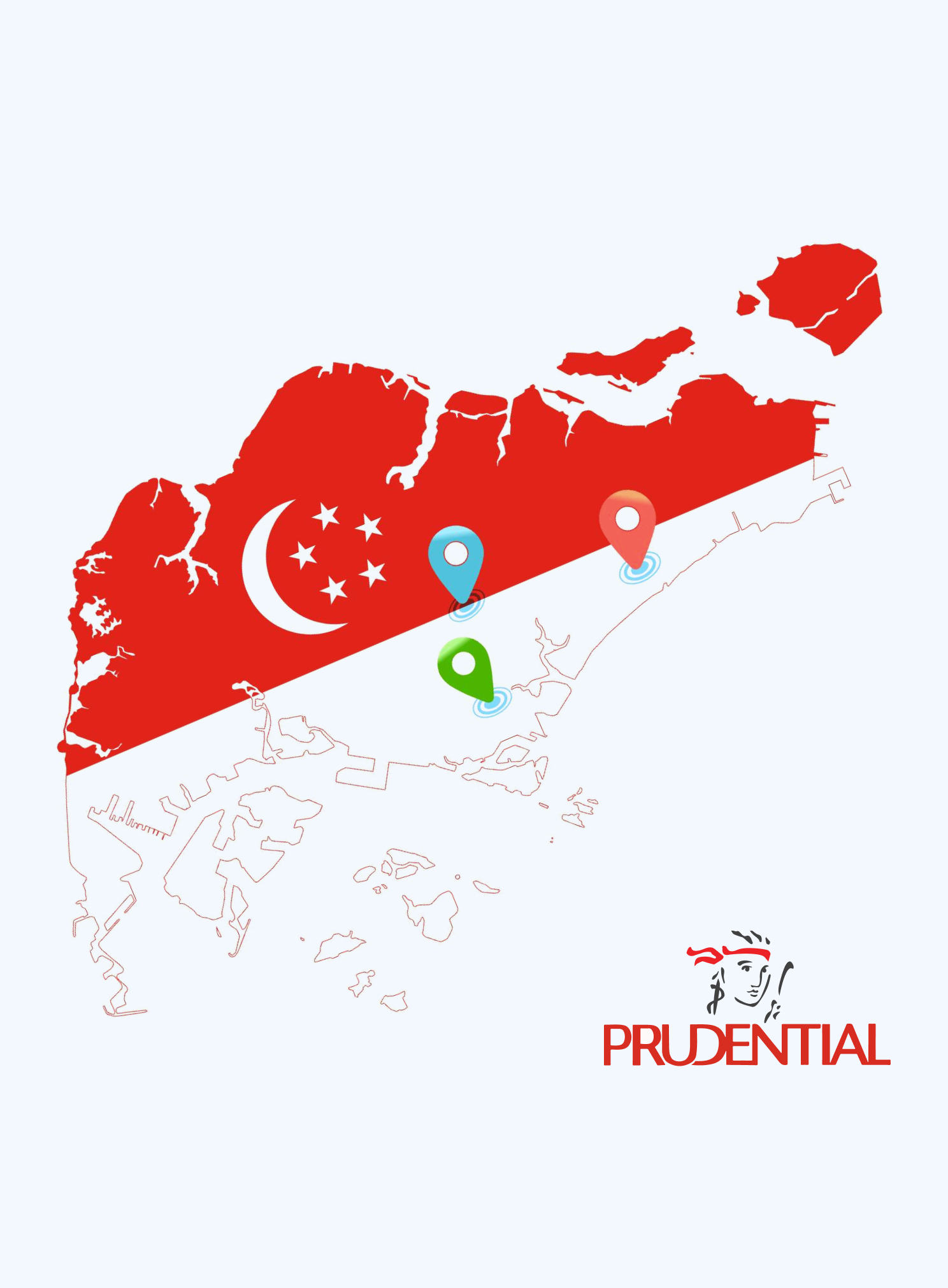
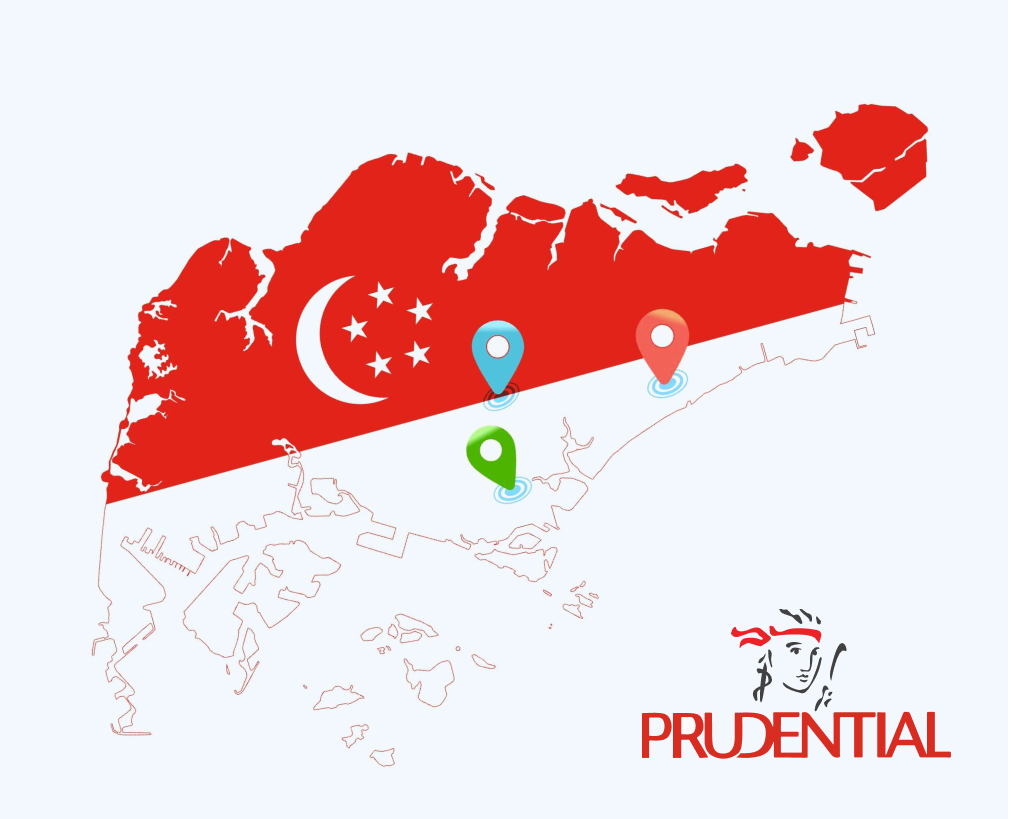
3 Clinics conveniently located in Orchard, Thomson, and Joo Chiat.

Common Symptoms of Inferior Turbinate Hypertrophy
-
Reduced sense of smell
-
Difficulty breathing
-
Prolonged nasal congestion
-
Runny or stuffy nose
-
Facial pain
-
Snoring
What Is Inferior Turbinate Hypertrophy?
Inferior turbinate hypertrophy is a condition where the tissues on the lateral or outside walls of the nose become too large, causing nasal obstruction. The nasal turbinates are long, narrow passageways that moisten and warm the air flowing through the nose, with the inferior turbinates being the largest and most prominent of the turbinates.
Complications of Inferior Turbinate Hypertrophy
-
Sinus infections
-
Severe difficulty breathing
-
Obstructive sleep apnoea

Common Causes of Inferior Turbinate Hypertrophy
-
Chronic sinus inflammation or infection
-
Environmental irritants
-
Seasonal allergies
For Singaporeans & Singapore Permanent Residents
Insurance & Medisave Partners
Certain ENT procedures are claimable under Medisave, and the exact amount would depend on the procedure. For more information, please speak to our friendly clinic staff about using your insurance plan, Integrated Sheild Plan, or Medisave.
Please note: All three Ascent ENT clinics and all our doctors are recognized Prudential Panel providers, making it easier for Prudential policyholders to access specialist ENT care across our network. Please verify your specific plan coverage with Prudential before booking.















Diagnosis of Inferior Turbinate Hypertrophy
Physical examination
Your ENT doctor may look at your symptoms such as hearing loss and examine the inside of your nose to detect signs of blockage. They may also review your family and medical history.
Flexible nasendoscopy
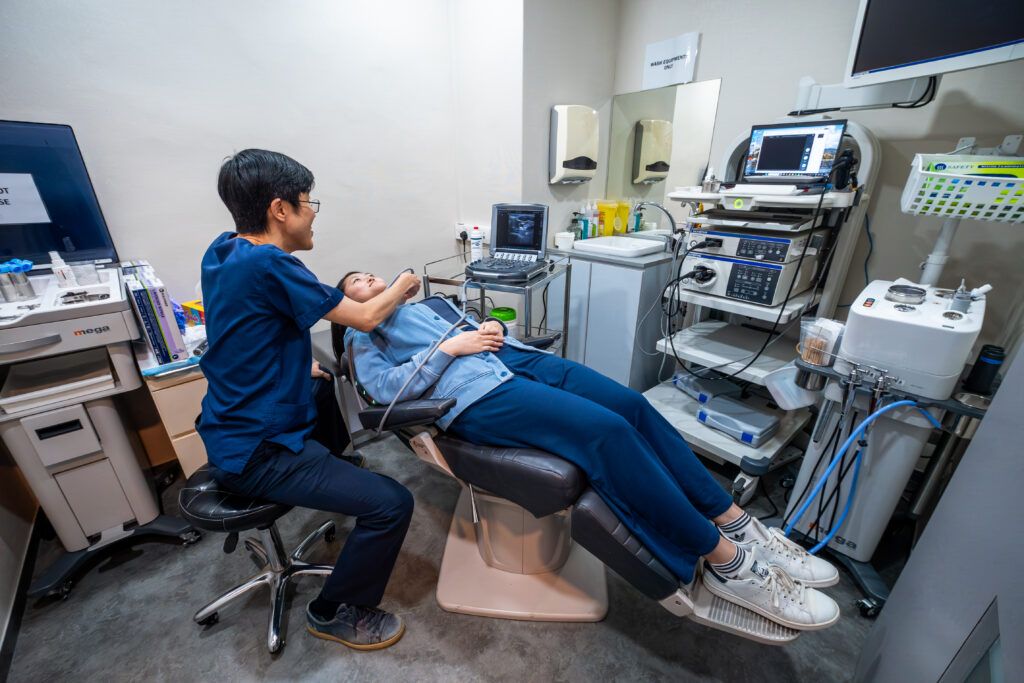
This test involves inspecting the inside of your nasal passages and cavity using an endoscope, a thin, fibre-optic viewing instrument.
Imaging tests
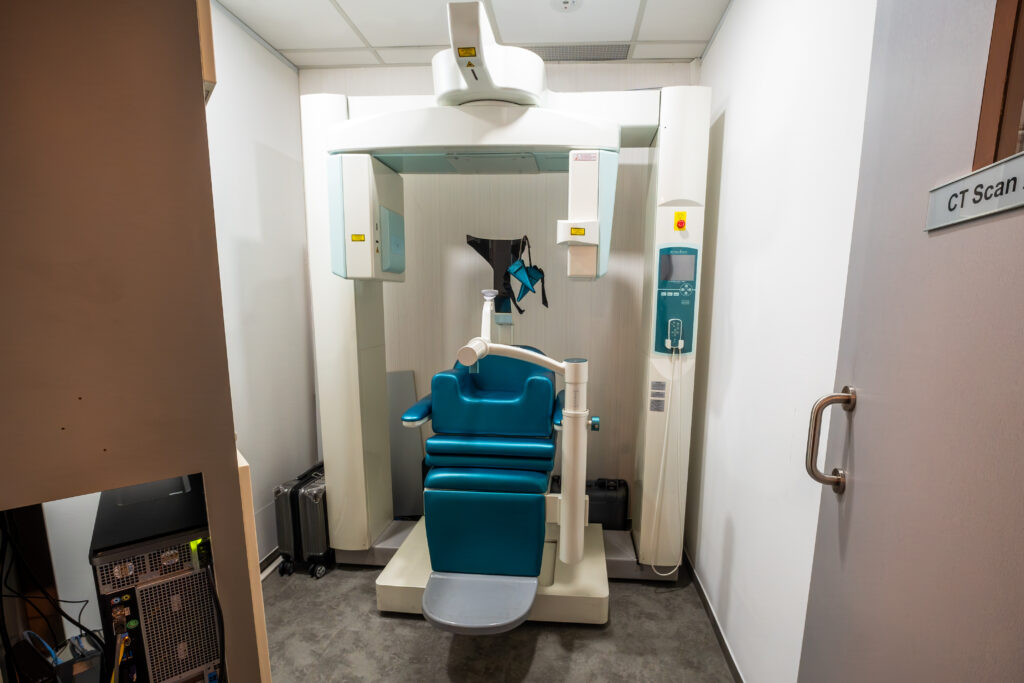
Imaging tests such as X-rays or CT scans can view your nasal passages to determine the severity of the blockage. These tests also help eliminate other possible causes of blockage, such as a deviated nasal septum.
Allergy tests
A skin prick test may be conducted by placing several substances and common allergens on your skin to see if there is any allergic reaction.
Upon receiving a diagnosis, we will guide you through the several treatment options we offer and propose a treatment plan specific to your condition.
Treatment Options for Inferior Turbinate Hypertrophy

Medication
Medications can alleviate symptoms of inferior turbinate hypertrophy.
Common medications used are:
- Allergy medications such as cetirizine (Zyrtec) or loratadine (Claritin, Allegra)
- Nasal antihistamine sprays
- Nasal saline sprays or rinses
- Corticosteroid sprays
Surgery
For certain severe cases, surgery may be required to reduce the size of the turbinates if symptoms do not improve with time or medication.
Common turbinate reduction procedures may include:
- Coblation of inferior turbinates. This is a day procedure where ultrasound energy is applied to the nasal airway lining to reduce swelling, particularly from conditions such as allergic rhinitis.
- Inferior turbinoplasty. Inferior turbinoplasty involves removing a portion of the bone and nasal lining.
- Partial inferior turbinectomy (PIT). This procedure involves removing soft tissue from the inferior turbinate to promote airflow.
- Submucosal diathermy (SMD). Submucosal diathermy utilises a special needle called a diathermy needle, which uses heat energy to shrink the soft tissue inside the turbinates.
Visit Us Today
Our Clinic
Visit us at any of our 3 convenient locations in Singapore!
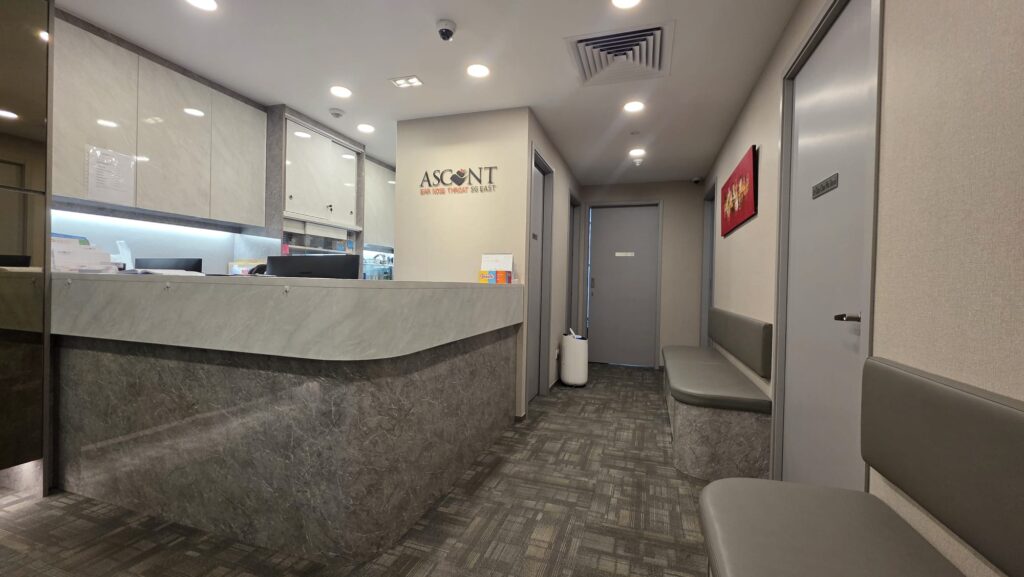
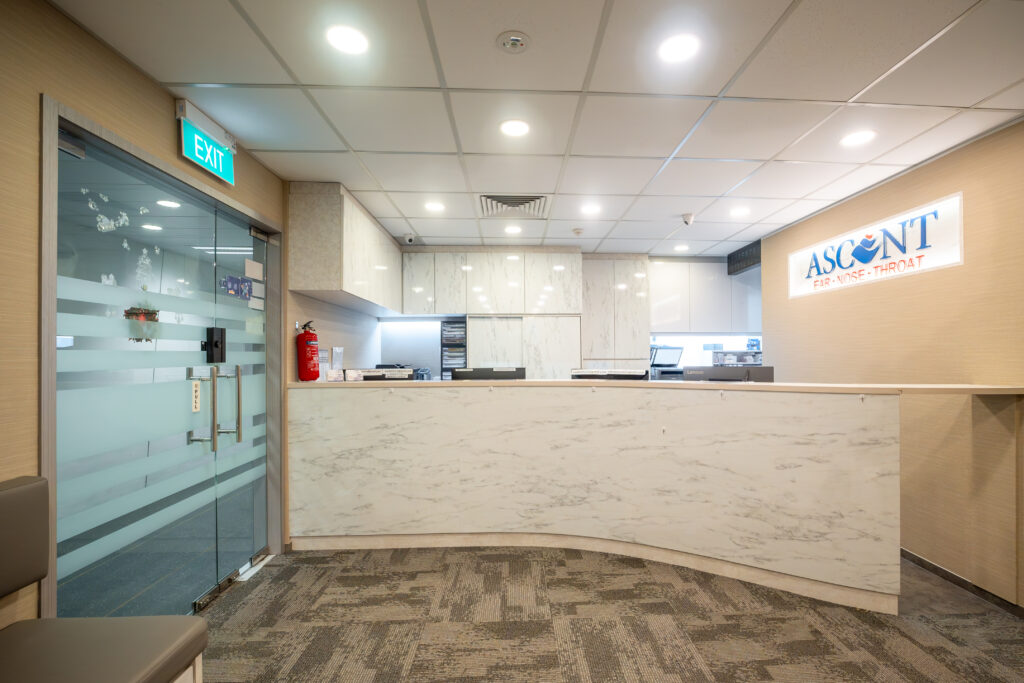
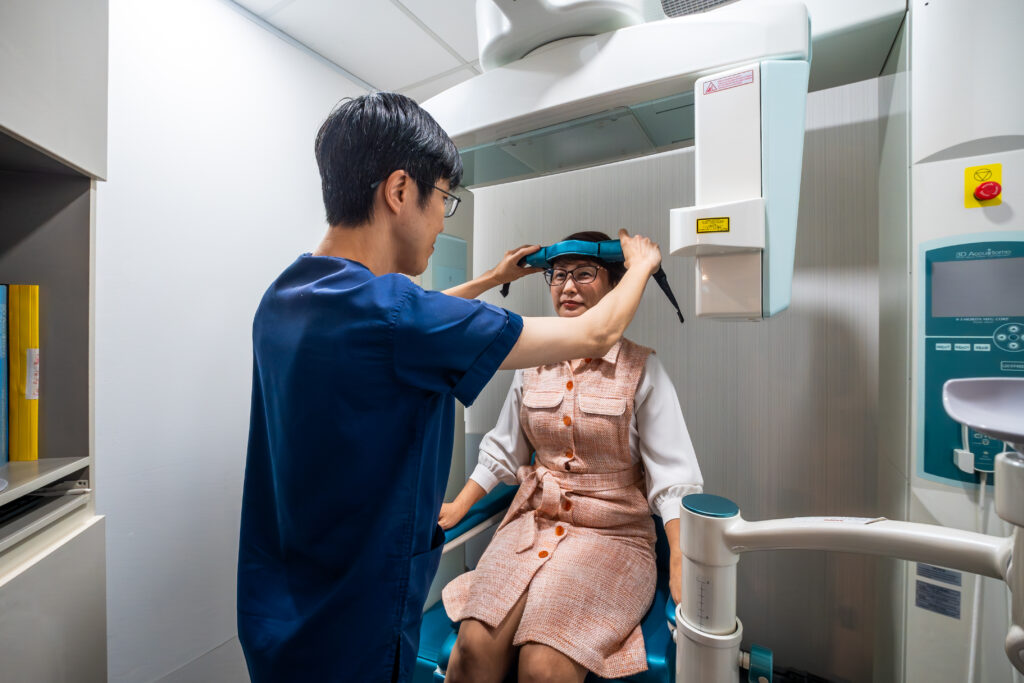
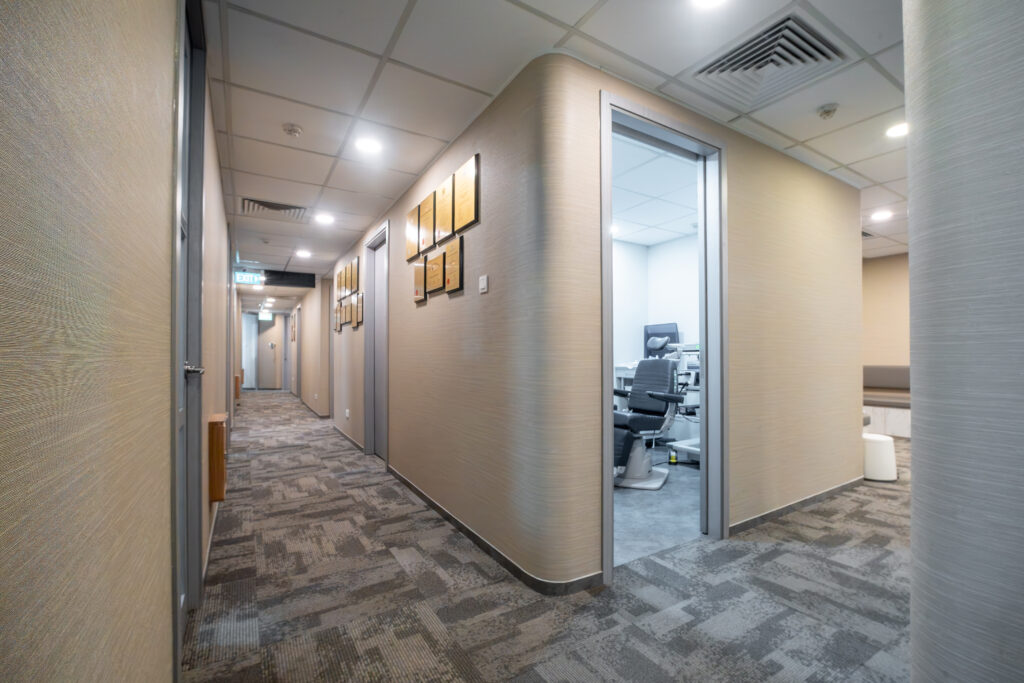
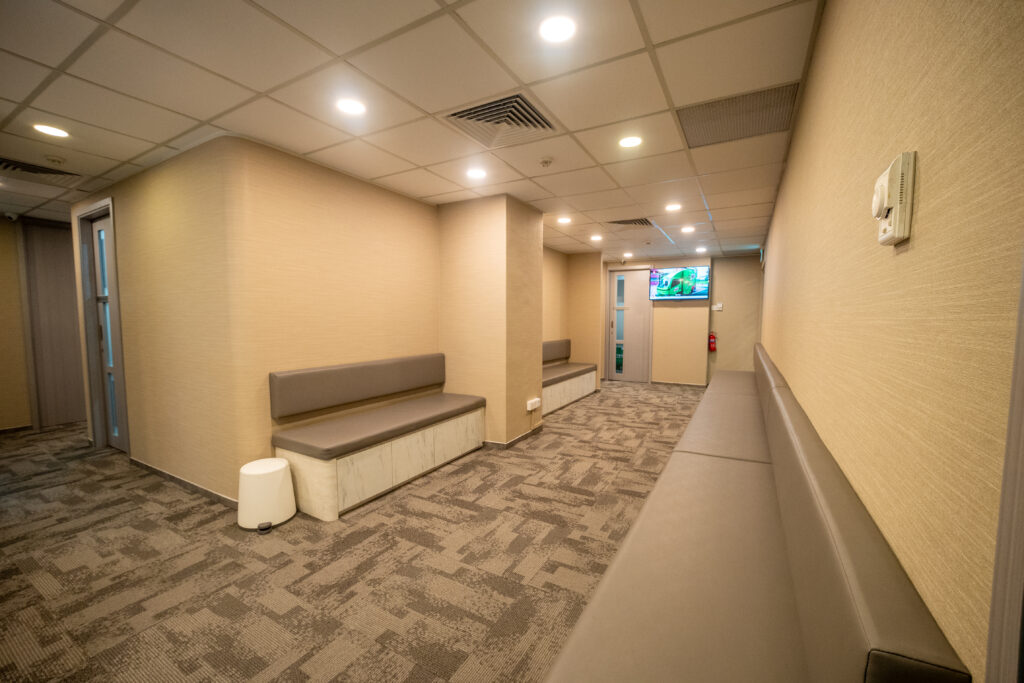
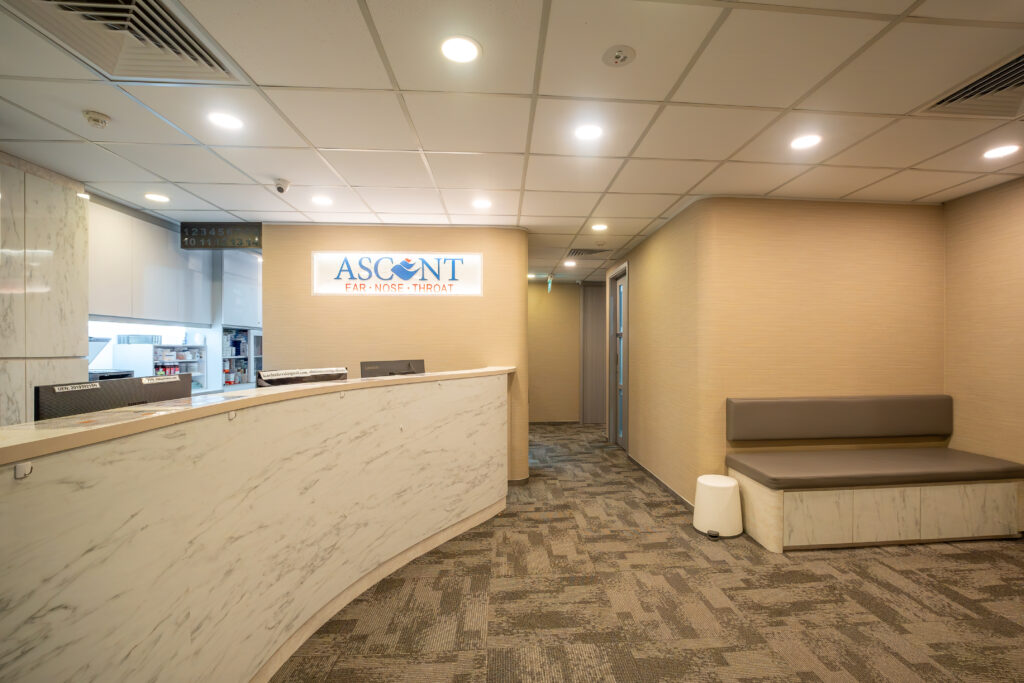
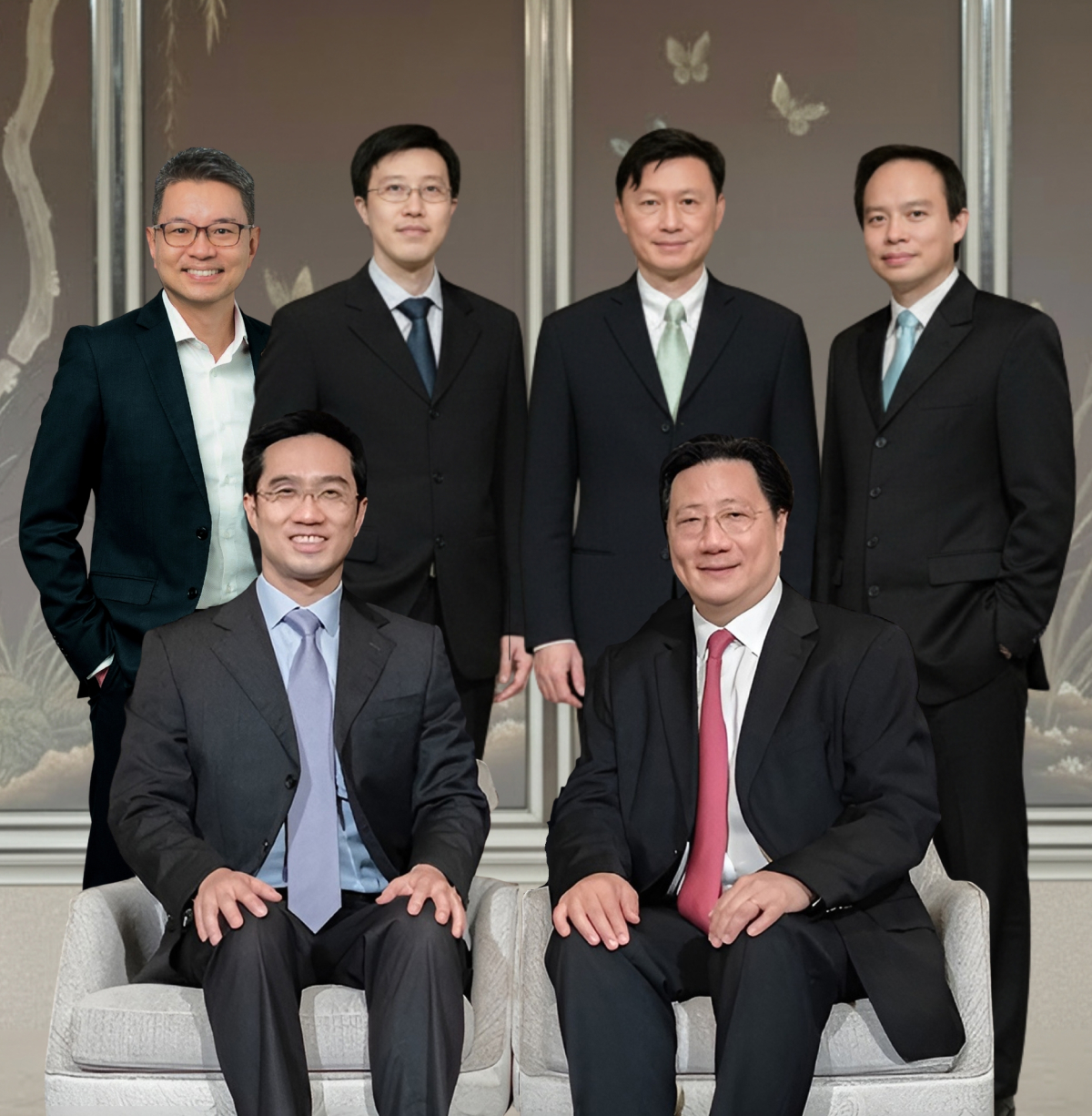

Our Main Clinic
Feel free to drop by our clinic and meet our specialist
-
Mount Elizabeth Medical Centre
3 Mount Elizabeth #09-03/04/05
Singapore 228510 -


Other Practice Locations
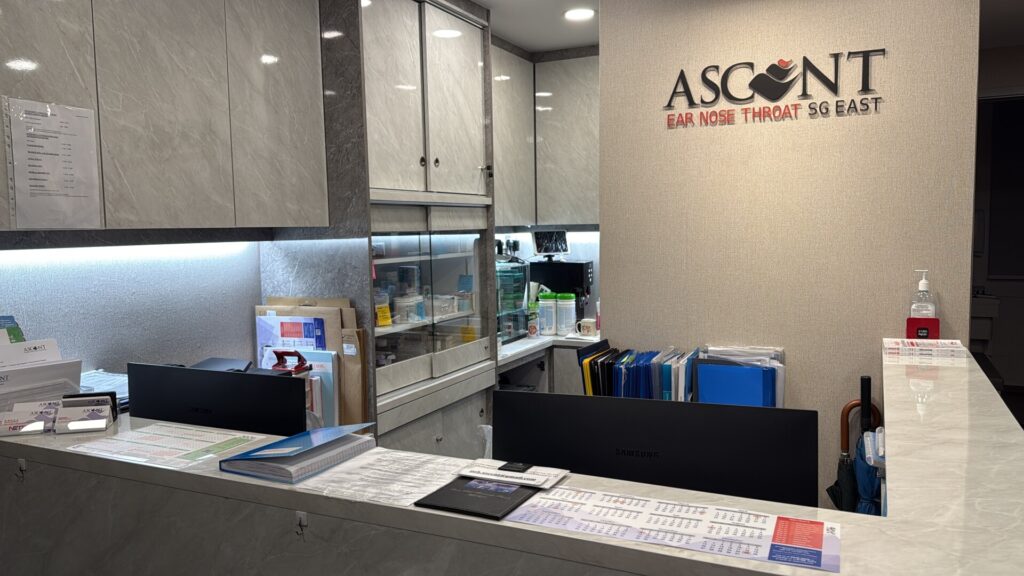
Parkway East Medical Centre
-

319 Joo Chiat Place #03-02 Singapore 427989
-

-
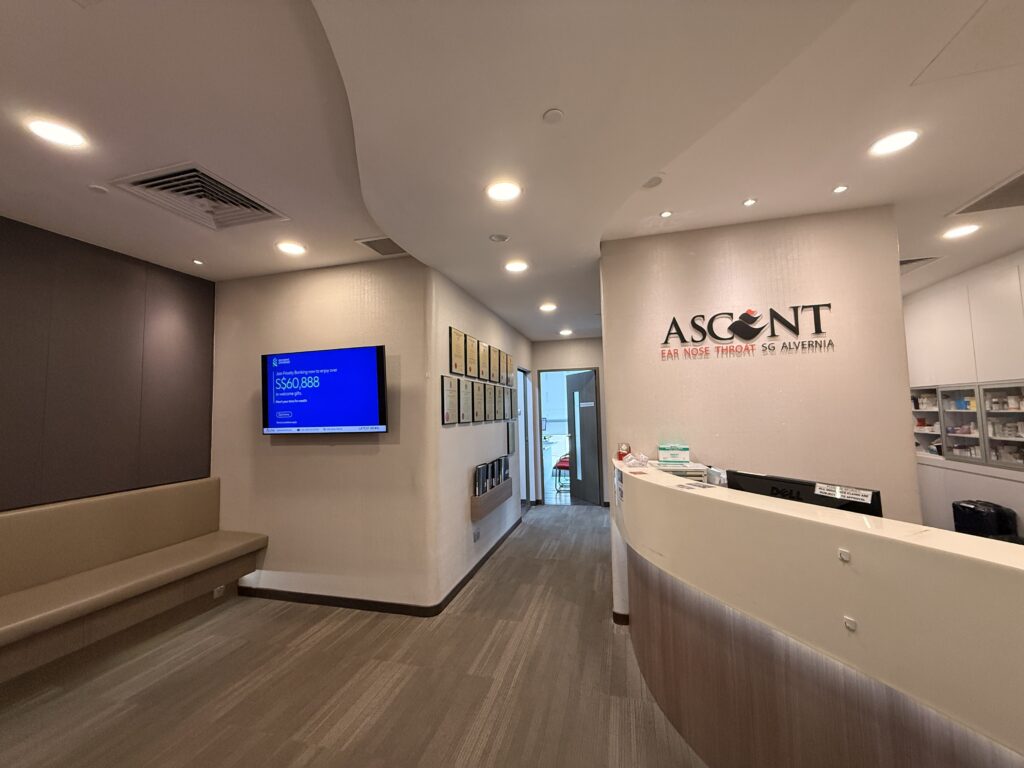
Mount Alvernia Medical Centre D
-
820 Thomson Road #08-63 Singapore 574623
-
-
Frequently Asked Questions
Is inferior turbinate hypertrophy serious? When should I visit a doctor?
In most cases of inferior turbinate hypertrophy, treatment may not be necessary if the swollen turbinates are not severe. Furthermore, the turbinates will also typically return to their original size after treatment and recovery.
However, if left untreated, some symptoms such as nasal blockage and difficulty breathing may cause discomfort and affect daily functioning. You should seek immediate medical attention from an ENT clinic in Singapore if your symptoms worsen or persist for an extended period of time.
What increases the risks of inferior turbinate hypertrophy?
- Family history of allergic rhinitis
- Hormonal changes during menstruation or pregnancy
- Side effects of medications
- Allergies
How to prevent inferior turbinate hypertrophy?
- Manage allergies and asthma
- Avoid exposure to nasal irritants and allergens such as tobacco smoke, pollen and dust
- Practice good personal hygiene by washing or sanitising your hands often
- Place a humidifier in your bedroom
- Avoid smoking
- Avoid things that you may be allergic to
- Use a nasal rinse or spray to wash off irritants or allergens from your nasal passages
Related Posts

Ear, Hearing, & Balance