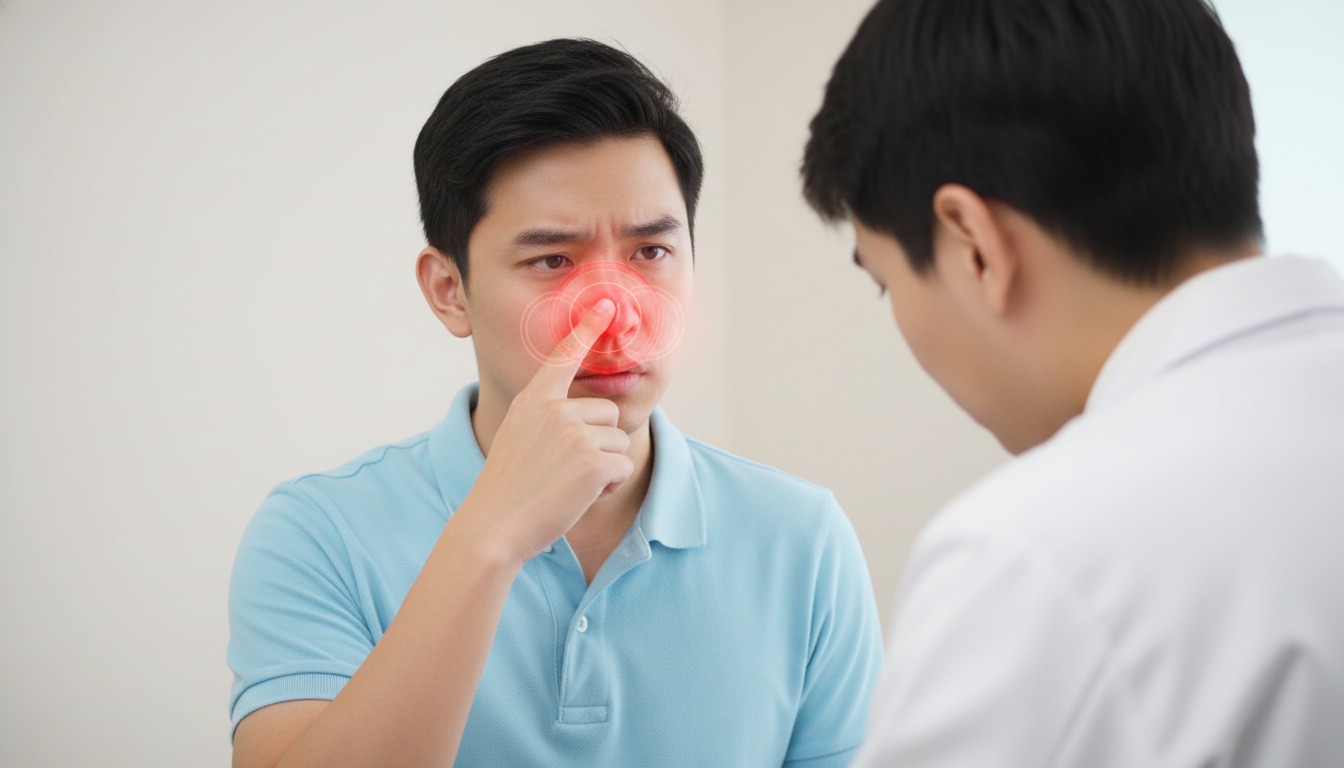
How To Treat Chronic Sinusitis? A Guide For Patients

Chronic sinusitis develops when sinus passages remain inflamed for 12 weeks or longer despite treatment attempts. Unlike acute sinusitis, which resolves within days or weeks, chronic inflammation can cause persistent symptoms that require targeted medical intervention. The condition affects multiple sinus cavities simultaneously: the maxillary sinuses behind your cheekbones, the ethmoid sinuses between your eyes, the sphenoid sinuses behind your nose, and the frontal sinuses in your forehead.
Successful treatment requires identifying underlying causes. Structural abnormalities, such as a deviated septum or nasal polyps, can obstruct drainage pathways. Allergic reactions trigger ongoing inflammation. Bacterial or fungal infections establish persistent colonies within sinus cavities. Environmental irritants perpetuate inflammatory cycles.
Medical Treatments for Chronic Sinusitis
Nasal Corticosteroid Sprays
Prescription corticosteroid sprays reduce inflammation directly within the nasal passages and sinus openings. Medications such as fluticasone, mometasone, and budesonide require proper technique for effectiveness. Angle the spray away from your nasal septum toward the outer wall. Breathe gently during administration. Continue daily use even when symptoms improve – these medications work preventively rather than providing immediate relief.
Treatment duration typically spans several months. Initial improvement appears after 1-2 weeks of consistent use. The maximum benefit is achieved after 4-6 weeks. Your ENT specialist monitors the response through endoscopic examination, adjusting the dose or switching formulations based on inflammatory patterns.
Saline Irrigation Systems
High-volume saline irrigation physically removes mucus, allergens, and inflammatory debris from sinus cavities. Neti pots, squeeze bottles, or powered irrigation devices deliver salt water through one nostril, allowing drainage through the other. Use distilled or previously boiled water cooled to room temperature. Add pharmaceutical-grade salt packets to maintain proper osmolality; standard table salt can cause irritation.
Perform irrigation twice daily during symptom flares, reducing to once daily for maintenance. Position your head at a 45-degree angle over the sink. Insert the spout gently into the upper nostril. Allow gravity or gentle pressure to move the solution through the sinuses. Breathe through your mouth throughout the process.
Oral Medications
Antibiotics are used to treat bacterial infections when culture results confirm the presence of specific organisms; extended courses lasting 3-4 weeks are used to address biofilm formation within the sinuses. Commonly prescribed agents include amoxicillin-clavulanate, doxycycline, and fluoroquinolones. Complete the entire course even when symptoms improve early.
Oral corticosteroids reduce inflammation during severe flares. Prednisone tapers over 5-10 days can break inflammatory cycles when topical treatments prove insufficient. Side effects limit long-term use, making these medications bridges to other therapies rather than maintenance solutions.
Antihistamines control allergic components when testing confirms specific triggers. Second-generation antihistamines such as cetirizine and loratadine cause less drowsiness than older-generation antihistamines. Combine with nasal sprays rather than relying on oral medications alone.
Surgical Interventions
Functional Endoscopic Sinus Surgery (FESS)
FESS removes obstructive tissue and enlarges natural drainage pathways when medical management fails. Surgeons use endoscopes and specialised instruments inserted through the nostrils, avoiding external incisions. The procedure removes diseased tissue, polyps, and bone fragments that block the sinus ostia. Enlarged openings promote natural drainage and improve medication delivery to previously inaccessible areas.
Surgery occurs under general anaesthesia in day-surgery settings. Recovery involves the removal of nasal packing within 24-48 hours. Saline irrigation begins immediately postoperatively to prevent scarring. Most patients return to normal activities within 1-2 weeks. Complete healing requires 4-6 weeks with regular debridement appointments.
Balloon Sinuplasty
Minimally invasive balloon sinuplasty dilates blocked sinus openings without tissue removal. Surgeons thread small balloon catheters into sinus ostia under endoscopic guidance. Inflation reshapes the surrounding bone, creating wider drainage pathways. The technique preserves mucous membrane integrity while addressing structural narrowing.
Procedures often occur under local anaesthesia with sedation. Recovery is faster than with traditional surgery; many patients resume normal activities within 48 hours. Long-term effectiveness depends on the underlying pathology. Patients with significant polyps or severe structural abnormalities may require traditional FESS for adequate relief.
Image-Guided Surgery
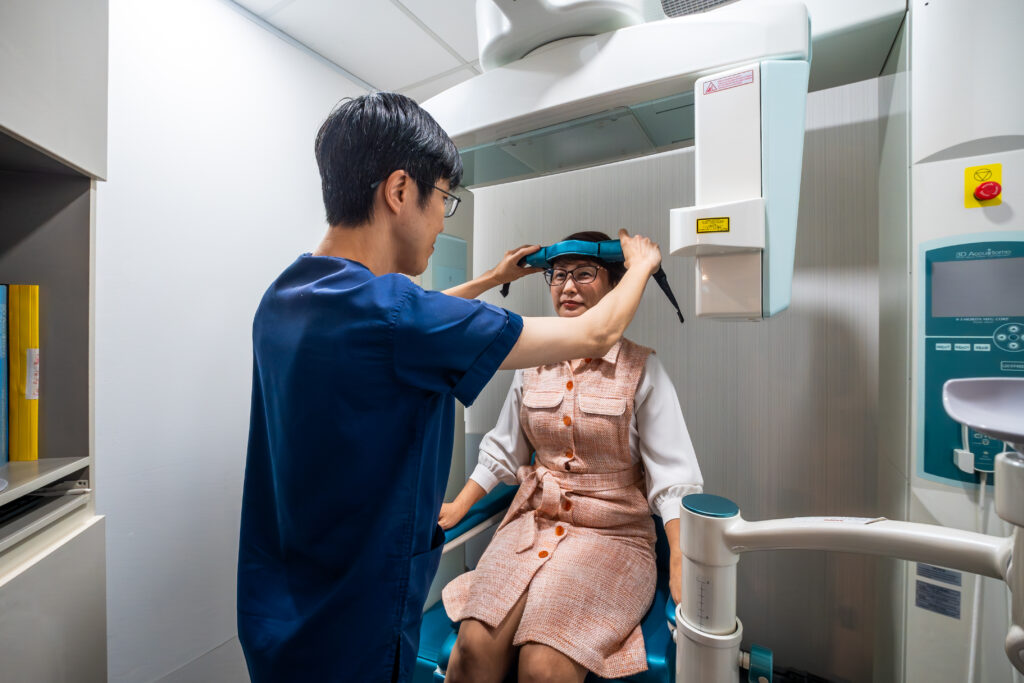
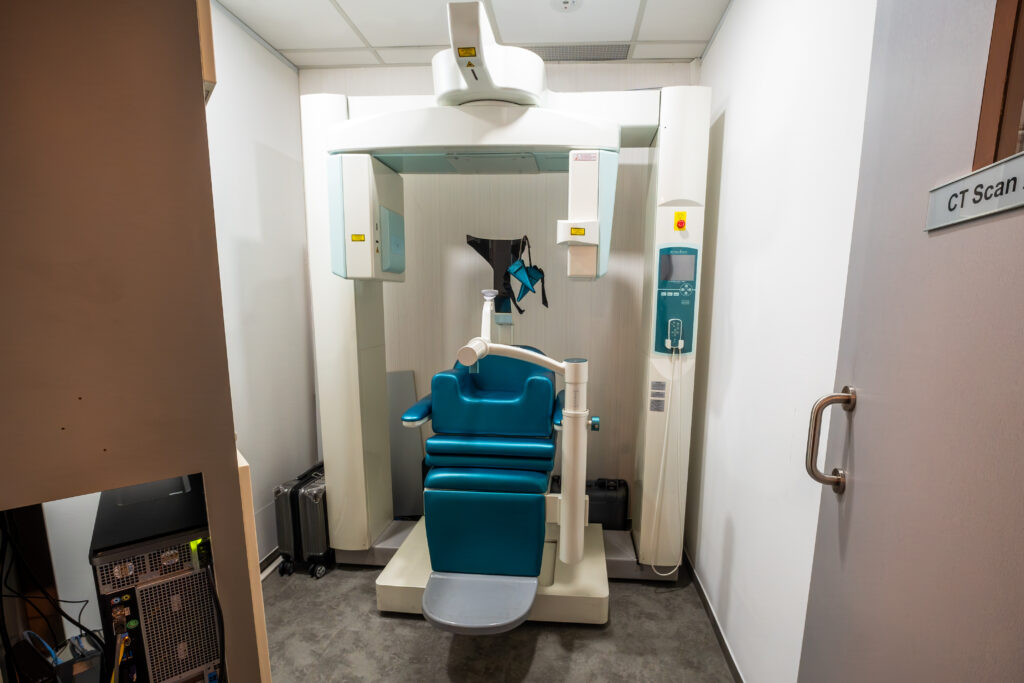
Complex revision surgeries or cases involving the sphenoid or frontal sinuses benefit from computer-assisted navigation. CT scans create three-dimensional maps that correlate with real-time surgical positioning. This technology enhances precision when typical anatomical landmarks are absent due to previous surgery or severe disease.
Lifestyle Modifications and Home Management
Environmental control reduces inflammatory triggers. HEPA filters remove airborne particles in bedrooms and living spaces. Maintain indoor humidity between 30% and 50% using humidifiers or dehumidifiers as needed. Dust mites thrive in humidity above 50%, while humidity below 30% irritates the nasal passages.
Steam inhalation provides temporary symptom relief without medication. Breathe vapour from hot showers or bowls of steaming water for 10-15 minutes. Add eucalyptus or menthol for enhanced decongestion. Avoid boiling water directly near the face to prevent burns.
Dietary modifications may reduce inflammation. Eliminate dairy products temporarily if mucus production increases after consumption. Increase omega-3 fatty acids through fish or supplements. Stay hydrated with 8-10 glasses of water daily to thin secretions.
Sleep positioning affects sinus drainage. Elevate your head 30-45 degrees using wedge pillows or adjustable beds. Side-sleeping may improve drainage from affected sinuses. Avoid completely flat positioning, which allows mucus to pool overnight.
💡 Did You Know?
Chronic sinusitis affects people year-round unlike seasonal allergies. The condition creates its own inflammatory environment within sinuses, perpetuating symptoms regardless of external allergen levels. This explains why antihistamines alone rarely resolve chronic sinus problems.
Combination Therapy Approaches
Successful management often requires multiple simultaneous treatments. Nasal corticosteroid sprays reduce baseline inflammation while saline irrigation removes accumulated debris. Oral antibiotics address bacterial components when present. Environmental modifications prevent new triggers from perpetuating cycles.
Treatment plans evolve based on response patterns. Initial therapy combines maximum medical management for 12 weeks. Non-responders undergo CT imaging to identify anatomical factors requiring surgery. Post-surgical patients continue medical therapy to maintain surgical results.
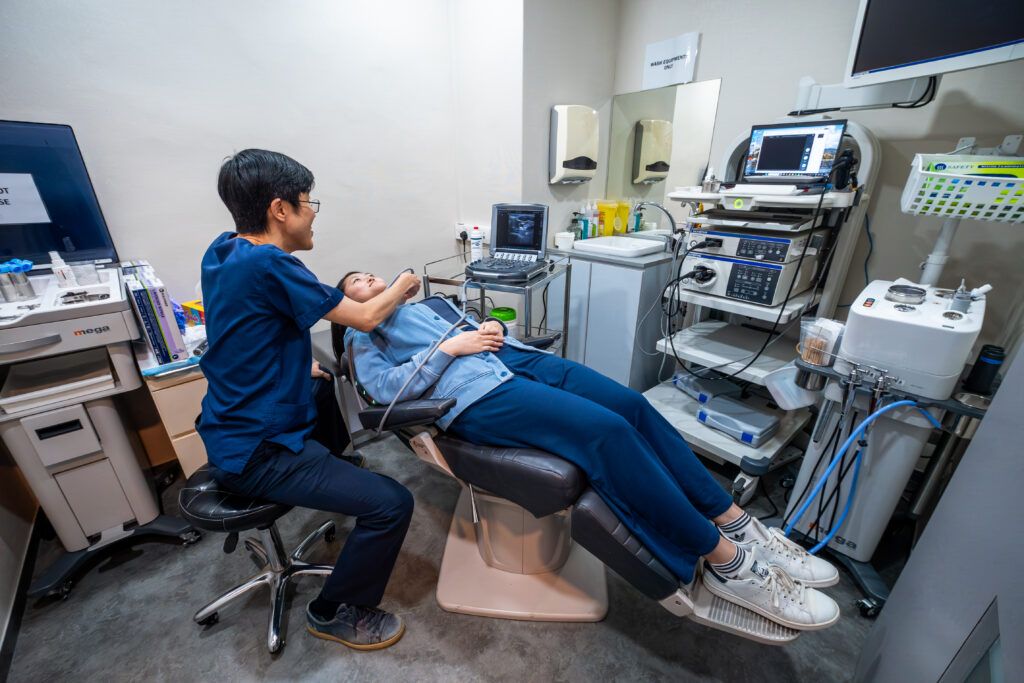
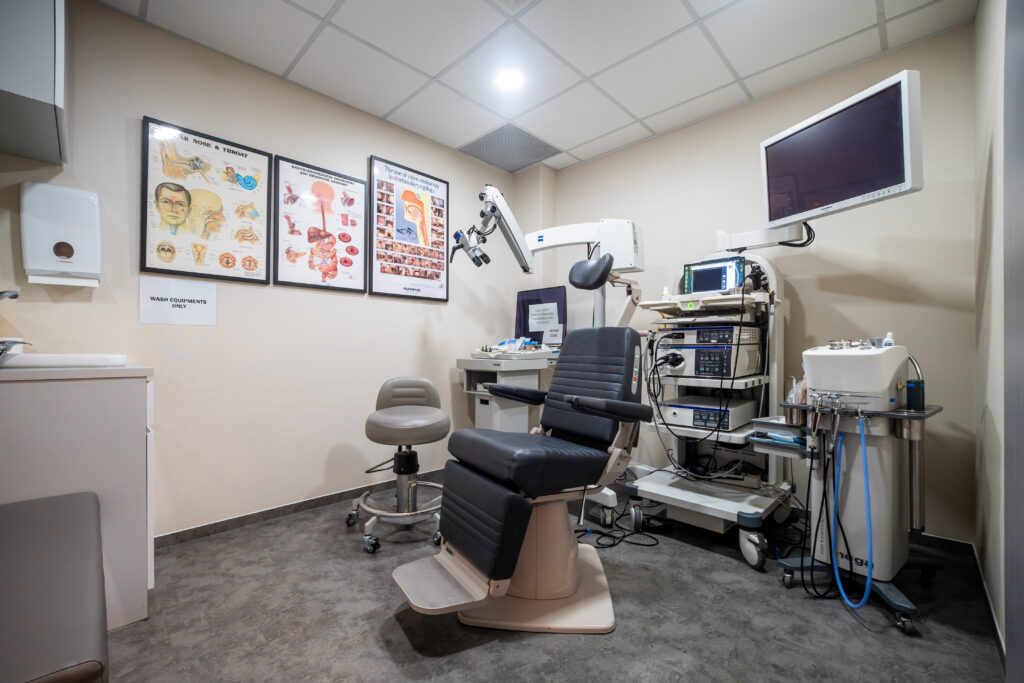
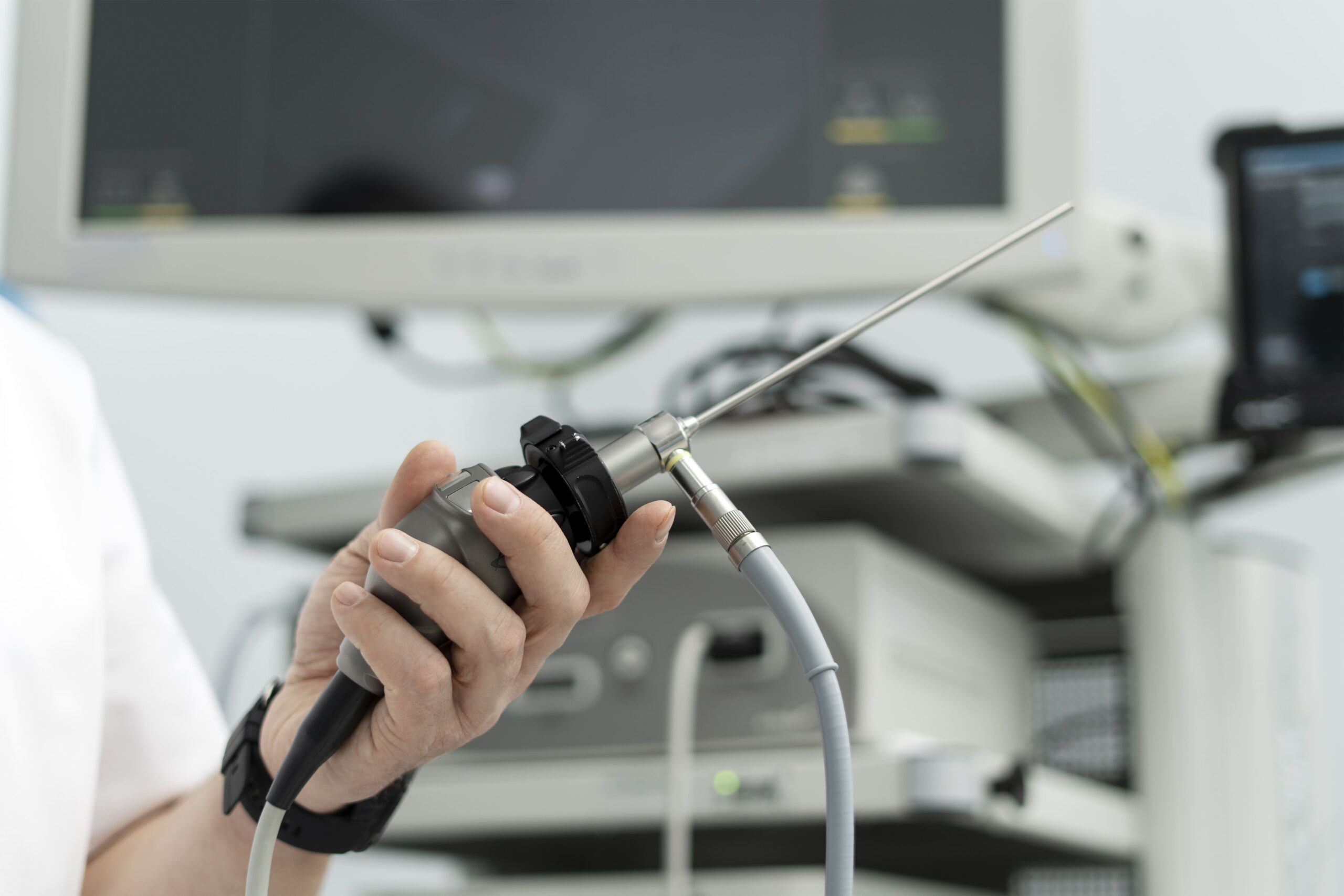
Regular monitoring through nasal endoscopy guides treatment adjustments. Inflammation patterns visible only with endoscopes reveal whether current therapies adequately control the disease: polyp formation, discharge characteristics, and mucosal changes guide medication adjustments.
What Our ENT Specialist Says
Chronic sinusitis management requires patience and persistence. Many patients abandon treatment too quickly when immediate relief doesn’t occur. Nasal corticosteroids need consistent use for weeks before showing benefit. Saline irrigation is initially uncomfortable but becomes routine with practice.
Surface treatments work when underlying causes are addressed. Uncontrolled allergies perpetuate inflammation despite perfect medication compliance. Anatomical blockages prevent medications from reaching diseased areas. A comprehensive evaluation identifies all contributing factors to inform targeted treatment planning.
Putting This Into Practice
- Start nasal corticosteroid spray tonight using proper technique: aim toward the outer nasal wall, breathe gently during administration, use it consistently, even when feeling better.
- Purchase distilled water and pharmaceutical-grade saline packets tomorrow for twice-daily irrigation, starting with morning and evening routines.
- Document symptom patterns in a diary, noting triggers, weather changes, and response to treatments over the next two weeks
- Replace bedroom pillows with hypoallergenic covers and position a HEPA filter near your bed for overnight air purification.
- Schedule allergy testing if you haven’t identified specific triggers within the past two years.
When to Seek Professional Help
- Facial pain or pressure persisting beyond two weeks despite over-the-counter treatments
- Yellow or green nasal discharge accompanied by fever
- Complete nasal blockage prevents breathing through either nostril
- Reduced sense of smell lasting more than one month
- Headaches concentrated around the eyes or forehead with vision changes
- Blood-tinged nasal discharge occurring regularly
- Symptoms worsening despite prescribed medical therapy
Commonly Asked Questions
How long before I see improvement with nasal steroid sprays?
Initial improvement typically begins after 7-14 days of daily use. The maximum benefit is observed after 4-6 weeks. Continue using the spray even when symptoms improve since these medications work preventively. Stopping too early allows inflammation to return quickly.
Can chronic sinusitis be cured permanently?
Management rather than cure represents realistic expectations for most patients. Proper treatment effectively controls symptoms, allowing normal daily activities. Some patients achieve long-term remission after surgery combined with ongoing medical therapy. Others require continuous treatment to maintain symptom control.
Will I need surgery if medications don’t work?
Surgery becomes an option when maximum medical therapy fails after 12 weeks. CT scans determine whether anatomical factors, such as polyps or structural blockages, prevent medication effectiveness. Many patients achieve symptom control through medical management alone when underlying causes are appropriately addressed.
Is chronic sinusitis contagious?
Chronic sinusitis itself isn’t contagious. However, bacterial or viral infections triggering acute flares can spread to others. The underlying chronic inflammation represents your body’s response rather than an infectious process. Family members won’t “catch” your chronic sinusitis.
Should I avoid flying if I have chronic sinusitis?
Air travel poses challenges due to pressure changes affecting blocked sinuses. Use a decongestant nasal spray 30 minutes before takeoff and landing. Stay hydrated throughout flights. Consider postponing travel during acute flares with severe facial pain or complete blockage.

Next Steps
Chronic sinusitis responds to systemic treatment that addresses all contributing factors. Start with consistent use of a nasal corticosteroid and saline irrigation while identifying your specific triggers. When symptoms persist despite appropriate medical therapy, a comprehensive ENT evaluation is performed to determine whether structural factors require surgical correction.
If you’re experiencing persistent sinus pressure, nasal blockage, or facial pain lasting beyond 12 weeks, our ENT specialist can provide a comprehensive evaluation and personalised treatment strategies to effectively manage chronic sinusitis.