Balloon Sinuplasty: How the Procedure Helps with Chronic Nasal Issues
Can a balloon inserted through your nostrils permanently improve chronic sinus problems? Balloon sinuplasty opens blocked sinus passages using a small, flexible catheter fitted with a balloon at its tip. Unlike traditional sinus surgery that removes bone and tissue, this technique dilates the natural sinus openings. It preserves the underlying anatomy whilst restoring drainage. The procedure addresses chronic sinusitis that persists despite medications—typically defined as sinus inflammation lasting twelve weeks or longer. Symptoms include facial pressure, nasal congestion, and a reduced sense of smell.
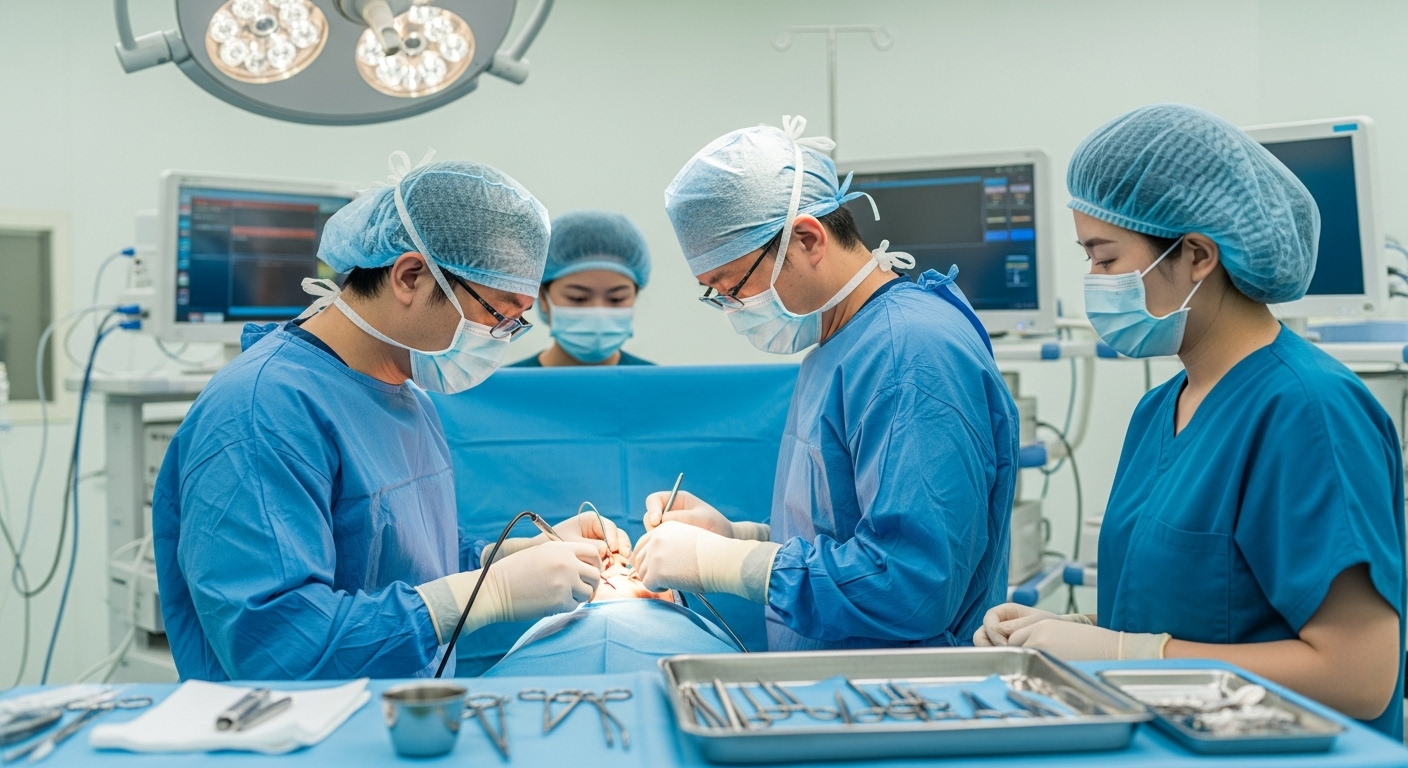
During balloon sinuplasty, the ENT surgeon guides the catheter into the affected sinus. The surgeon inflates the balloon to widen the blocked ostium (the sinus opening). The surgeon then deflates and removes it. The restructured opening remains dilated, allowing mucus to drain and air to circulate normally.
How Chronic Sinusitis Develops
Sinuses are air-filled cavities lined with mucosa, a moist membrane tissue that produces mucus to trap particles and pathogens. Each sinus connects to the nasal cavity through narrow openings called ostia. When these ostia become blocked—whether from inflammation, anatomical variations, or polyps—mucus accumulates. This creates an environment where bacteria thrive.
Acute sinusitis typically resolves within ten days with appropriate treatment. Chronic sinusitis differs fundamentally: it involves persistent inflammation that remodels the sinus lining over time. The mucosa thickens. A tiny hair-like structure called cilia that sweep mucus towards the ostia) become damaged. The cycle of blockage and infection continues regardless of antibiotic courses.
Chronic sinusitis is generally not contagious, as it is often caused by long-term inflammation rather than an active virus. For those who do not respond to medication, Functional Endoscopic Sinus Surgery Singapore can restore ventilation and improve the natural drainage of the paranasal sinuses
Several anatomical sites frequently contribute to chronic obstruction. The ostiomeatal complex, located where the maxillary, anterior ethmoid, and frontal sinuses drain, represents a common problem area. A deviated septum can compress this region. Concha bullosa, an air cell within the middle turbinate, may further narrow the drainage pathway.
If you find yourself catching ‘contagious’ colds that always turn into sinus infections, a structural issue may be to blame. Deviated Septum Surgery in Singapore is often recommended for patients whose crooked nasal midline prevents the sinuses from clearing effectively after a viral illness.”
The Balloon Sinuplasty Procedure
Pre-Procedure Assessment
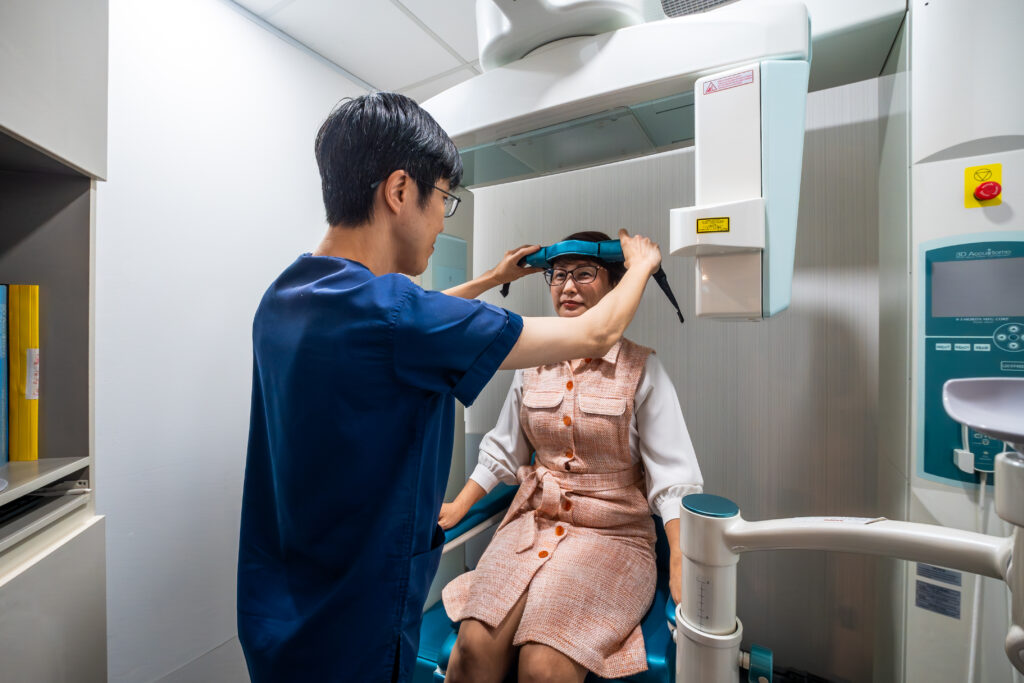
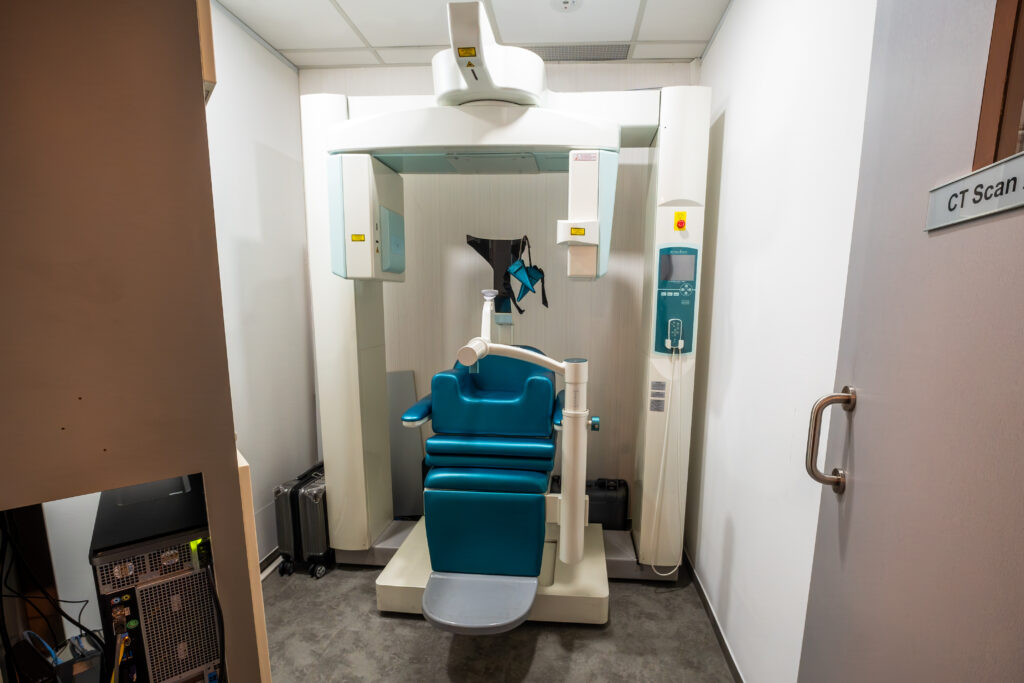
CT imaging of the sinuses identifies which cavities show mucosal thickening, air-fluid levels, or complete opacification. The scan also reveals anatomical factors, such as septal deviation and the positions of structures like the orbit and the skull base. Nasal endoscopy allows direct visualisation of the nasal passages, polyps, and ostia.
Patients typically discontinue blood-thinning medications several days before the procedure. Those with uncontrolled hypertension or active infection may need medical optimisation before proceeding.
During the Procedure
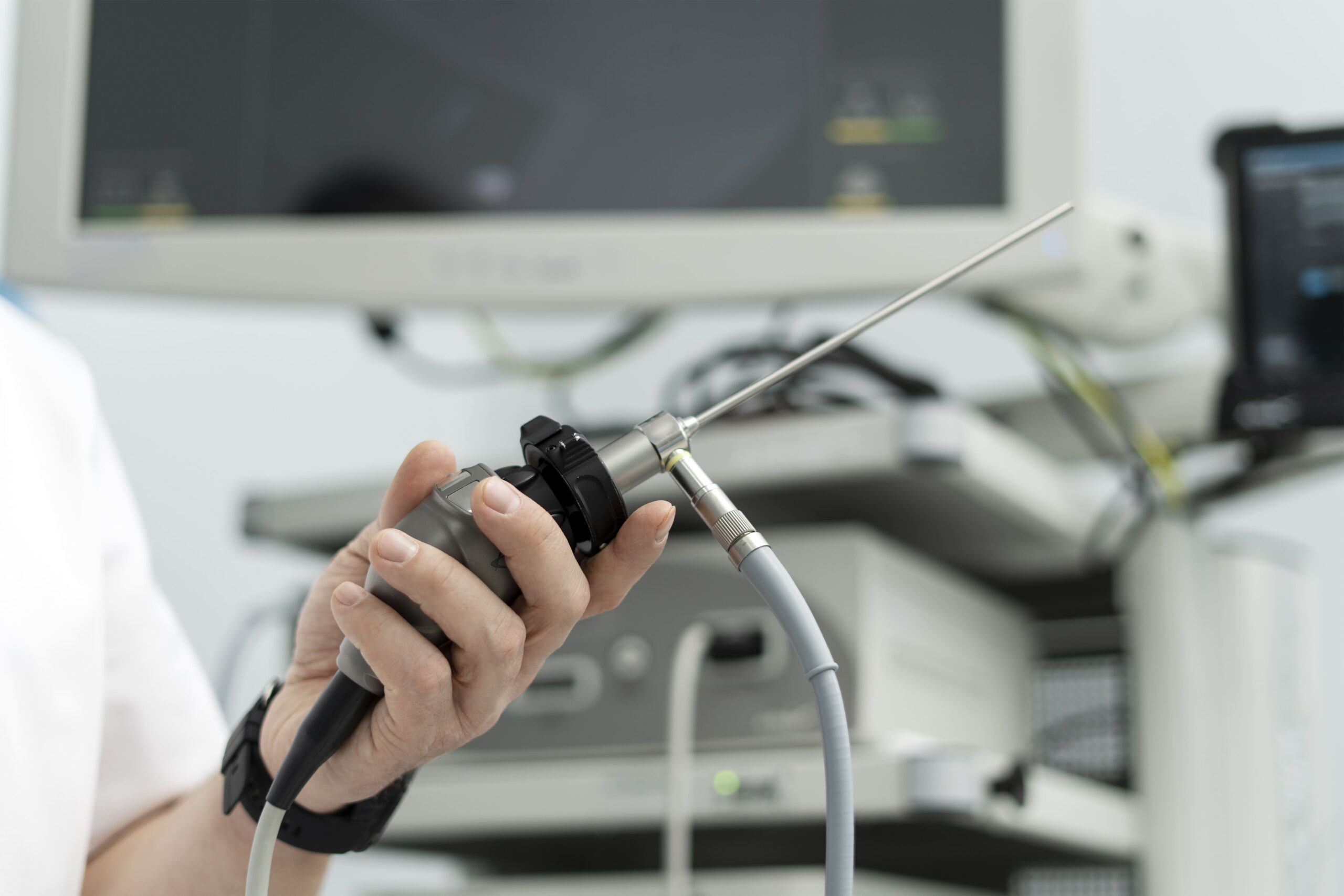
Balloon sinuplasty can be performed under local anaesthesia with sedation or general anaesthesia, depending on the extent of disease and patient preference. The surgeon inserts an endoscope through the nostril to visualise the sinus openings. A guide catheter advances into the targeted sinus. A flexible guidewire is used to confirm correct placement, often with fluoroscopy (a type of live X-ray imaging) or illumination technology.
The balloon threads over the guidewire and positions across the narrowed ostium. The surgeon inflates the balloon gradually to gently reshape the thin bone surrounding the opening without tearing the mucosa. Each inflation lasts several seconds. The surgeon deflates and removes the balloon. Saline irrigation then flushes the newly opened sinus.
A single procedure may address multiple sinuses. The maxillary, frontal, and sphenoid sinuses respond well to balloon dilation. The ethmoid sinuses consist of multiple small air cells rather than a single cavity with a distinct ostium. They require different approaches and may need traditional techniques if diseased.
Procedure Duration
The procedure typically takes approximately 30-45 minutes. Same-day discharge is standard for procedures performed under local anaesthesia.
Recovery Timeline
First 24-48 hours: Bloody nasal discharge and mild congestion are expected. Patients should avoid nose-blowing, which can force air into healing tissues. Sleep with the head elevated to reduce swelling.
Days 3-7: Discharge transitions from blood-tinged to clear. Saline irrigation begins—usually three to four times daily—to keep passages moist and remove debris. Mild facial pressure may persist as swelling resolves.
Weeks 2-4: Most patients return to normal activities within three to five days. Strenuous exercise and swimming should wait until cleared by the surgeon. The remodelled sinus openings stabilise during this period.
Follow-up: Endoscopic examination at two to four weeks confirms healing. Additional visits at three and six months assess symptom improvement and sinus patency (how well the sinus openings remain open).
💡 Did You Know?
The bone surrounding sinus ostia differs from bone elsewhere in the skull—it’s thinner and more compliant, which allows the balloon to reshape it without fracturing into fragments. This microtrauma triggers healing that maintains the new, wider opening.
Who May Benefit from Balloon Sinuplasty
Suitable Candidates
Patients with chronic sinusitis affecting the maxillary, frontal, or sphenoid sinuses who have not responded to medical management may be candidates for balloon sinuplasty. Medical management typically includes nasal corticosteroid sprays, saline irrigation, and, when indicated, antibiotics.
Recurrent acute sinusitis—defined as multiple distinct episodes annually with symptom-free intervals between—may also respond to balloon dilation. Opening the sinus ostia may reduce the likelihood of future blockage during upper respiratory infections.
Patients who wish to avoid general anaesthesia or those with medical conditions making traditional surgery higher risk may find balloon sinuplasty a suitable option. It can be performed with local anaesthesia alone.
Less Suitable Candidates
Nasal polyps blocking the sinus ostia require removal before or instead of balloon dilation. The balloon cannot push through polypoid tissue. Similarly, fungal sinusitis with thick, inspissated material needs direct removal rather than dilation alone.
Isolated ethmoid disease doesn’t respond to balloon techniques. The ethmoid cells lack single, distinct ostia amenable to dilation. Patients with severe anatomical obstruction from a markedly deviated septum may need septoplasty (a surgical procedure to straighten the wall between the nasal passages) to access the sinus openings before balloon treatment becomes feasible.
Balloon Sinuplasty Compared with Traditional Sinus Surgery
While viral sinusitis usually resolves on its own, symptoms that persist for more than 10 days may indicate a bacterial infection. An ENT Specialist Singapore can perform a professional assessment to determine if your condition requires medical intervention or further imaging.
Traditional functional endoscopic sinus surgery (FESS) removes bone and tissue to permanently enlarge sinus openings. This approach remains necessary for extensive disease, polyps, or tumours. FESS provides direct access for inspection and cleaning of the sinus interior. Balloon sinuplasty does not offer this.
Balloon sinuplasty preserves the mucosal lining. This may maintain natural ciliary function and reduce scarring. The technique also minimises bleeding since it doesn’t cut tissue. However, it cannot address pathology within the sinus itself—only the opening.
Hybrid procedures combine both approaches. Balloon dilation treats the frontal or sphenoid sinuses, whilst traditional techniques address ethmoid disease or polyp removal. This tailored strategy matches the intervention to each sinus’s specific pathology.
⚠️ Important Note
Balloon sinuplasty addresses the sinus openings, not underlying causes of inflammation. Patients with allergic rhinitis, aspirin-exacerbated respiratory disease, or immune deficiencies may experience symptom recurrence if these conditions remain untreated.
Potential Risks and Complications
Serious complications are uncommon. Minor bleeding during and after the procedure is common but usually resolves spontaneously. Infection risk remains low, particularly with post-operative saline irrigation.
Rare complications include:
- Injury to the orbit (eye socket), causing bruising or, very rarely, vision changes
- Cerebrospinal fluid leak from skull base injury
- Failure to access or dilate the intended sinus
- Scarring causing re-stenosis of the sinus opening
The frontal sinus carries greater technical difficulty due to its complex anatomy and narrow drainage pathway. Sphenoid sinus work requires careful navigation near the carotid artery and optic nerve.
Long-Term Outcomes and Expectations
Many patients report improvement in facial pressure, nasal congestion, and overall quality of life following balloon sinuplasty. Symptom relief typically becomes apparent within two to four weeks as post-procedural swelling subsides.
Durable results depend on continued management of contributing factors. Patients with allergic rhinitis may benefit from ongoing antihistamines, nasal corticosteroids, or immunotherapy. Those with environmental triggers should implement appropriate avoidance strategies.
Some patients require revision procedures if scar tissue narrows the dilated ostia or if disease progresses in untreated sinuses. Regular follow-up with your healthcare provider allows early identification of recurrence before symptoms impact quality of life.
When to Seek Professional Help
- Facial pain or pressure persists beyond ten days despite over-the-counter treatments.
- Thick, discoloured nasal discharge lasting more than a week
- Recurring sinus infections requiring multiple antibiotic courses yearly
- Nasal congestion affects sleep quality
- Reduced or lost sense of smell
- Symptoms worsening despite consistent use of prescribed nasal medications
- Fever accompanying sinus symptoms
Commonly Asked Questions
How long do the results of balloon sinuplasty last?
The restructured sinus openings remain dilated in many patients for several years. Factors influencing durability include underlying inflammatory conditions, continued medical management, and individual healing responses. Some patients maintain open sinuses indefinitely, whilst others may experience gradual re-narrowing requiring additional treatment.
Is balloon sinuplasty painful?
During the procedure under local anaesthesia, patients typically feel pressure but should not experience sharp pain. Post-procedure discomfort is generally mild—comparable to sinus pressure during a cold. It is manageable with standard pain relievers.
Can balloon sinuplasty be performed in the clinic?
Yes, the procedure is commonly performed in-office under local anaesthesia with or without sedation. This setting is suitable for patients with limited sinus involvement who tolerate nasal procedures well. More extensive disease or patient anxiety may favour an operating room setting with deeper sedation or general anaesthesia.
Will I still need to use nasal sprays after balloon sinuplasty?
Those with underlying allergies or chronic inflammation often benefit from continued maintenance therapy to prevent recurrence.
What happens if balloon sinuplasty doesn’t work for me?
Incomplete symptom relief may indicate untreated disease in the sinuses not addressed during the procedure, underlying conditions requiring separate management, or the need for traditional surgical approaches. Repeat imaging and endoscopy help identify the cause and guide decisions about additional treatment.
Individual recovery experiences and treatment outcomes will differ due to personal health factors, underlying conditions, and anatomical variations. Consult qualified healthcare professionals for tailored advice rather than relying solely on general educational content.
Can a balloon sinuplasty fix a blocked nose caused by allergies?
While balloon sinuplasty is highly effective for opening the sinuses, it does not directly treat the soft tissue swelling in the nasal passages caused by allergies. If your blockage is due to enlarged linings, an Inferior Turbinate Hypertrophy Treatment in Singapore may be recommended alongside or instead of the balloon procedure to restore clear nasal airflow.
How do I know if I am a candidate for balloon sinuplasty versus traditional surgery?
The suitability of the procedure depends on your specific anatomy and the extent of your sinus disease. A Nose & Sinus ENT Specialist in Singapore will typically use a combination of nasal endoscopy and CT imaging to determine if your ostia (sinus openings) can be cleared with a balloon or if a more comprehensive surgical approach is required for long-term relief.
Next Steps
The procedure’s suitability depends on which sinuses are affected, the presence of polyps, and individual anatomy. CT imaging and nasal endoscopy determine whether balloon dilation, traditional surgery, or a combined approach is appropriate for your specific condition.
If you’re experiencing persistent facial pressure, chronic nasal congestion, or recurring sinus infections despite medical treatment, consult an ENT specialist. They can evaluate your sinuses using imaging and endoscopy and discuss whether balloon sinuplasty is suitable for your condition.