Rhinitis vs Sinusitis: Key Differences You Should Know

Do you know the difference between inflammation in your nasal passages and your sinuses?
Rhinitis refers to inflammation of the nasal passages, while sinusitis involves inflammation within the air-filled sinus cavities behind your forehead, cheeks, and eyes. These conditions share similar symptoms—like nasal congestion and discharge—but have different causes and treatment approaches.
Rhinitis often responds to antihistamines and nasal sprays, whereas bacterial sinusitis may require prescribed antibiotics. Because your nasal passages connect directly to your sinuses, untreated rhinitis can sometimes lead to sinus inflammation when swelling blocks sinus drainage.
Anatomical Differences
The nasal cavity consists of two air passages separated by the nasal septum, lined with mucous membranes that warm, filter, and humidify the air you breathe. These linings contain mucus-producing cells and tiny hair-like cilia that help clear debris. The turbinates—curved bone structures within the nasal cavity—create airflow channels that increase contact between air and the nasal lining.
The sinuses are hollow spaces within the facial bones, including the maxillary, frontal, ethmoid, and sphenoid sinuses. Each connects to the nasal cavity through small openings called ostia. When these openings become blocked by swelling, mucus can accumulate, creating an environment in which bacteria may multiply. This explains why prolonged nasal congestion from rhinitis can sometimes lead to secondary sinus inflammation.
Symptom Comparison
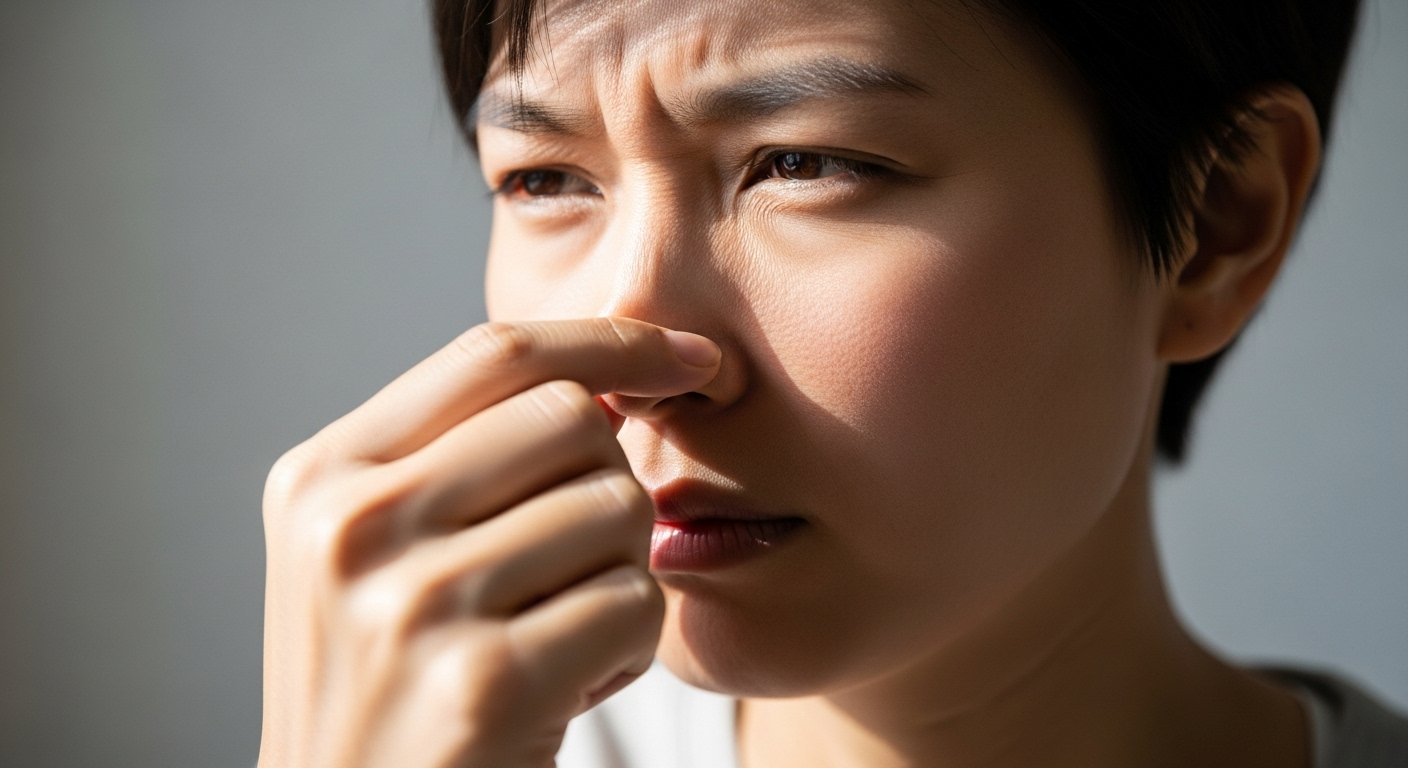
Rhinitis produces clear, watery nasal discharge that drips from both nostrils, often accompanied by frequent sneezing and itchy sensations in the nose, eyes, and throat. Nasal congestion with rhinitis typically alternates between nostrils and improves with position changes. Post-nasal drip occurs when excess mucus flows backwards into the throat, causing throat clearing and a mild cough.
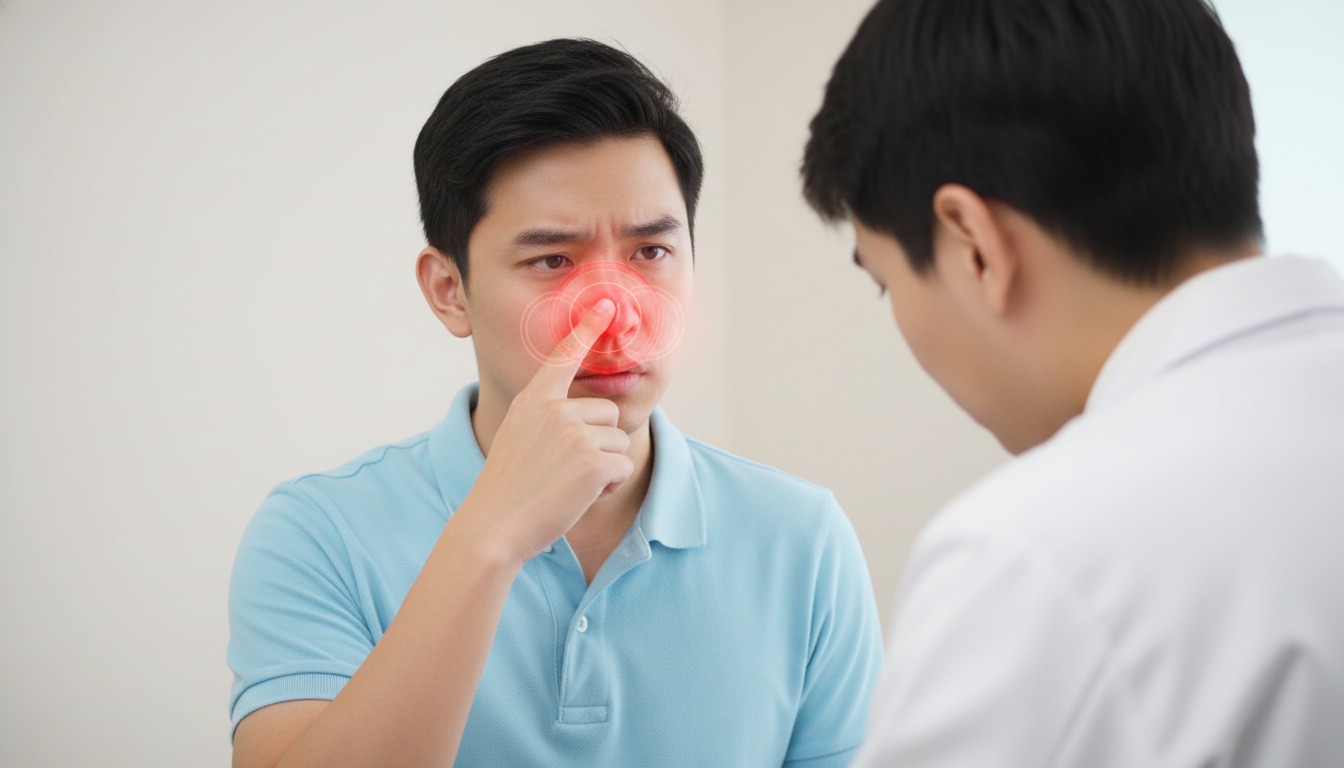
Sinusitis generates thick, discoloured mucus – yellow, green, or brown – that may drain from one or both nostrils or accumulate as post-nasal drip. Facial pain and pressure concentrate over the affected sinuses: cheek pain indicates maxillary involvement, forehead pain suggests frontal sinuses, and deep facial pain points to ethmoid or sphenoid sinuses. This pain intensifies with forward bending or lying down, distinguishing it from rhinitis-related discomfort.
💡 Did You Know?
The sense of smell relies on receptors high in the nasal cavity. Sinusitis may affect smell more noticeably than rhinitis because swelling and mucus can block these receptors.
Additional sinusitis symptoms include:
- Reduced sense of smell and taste
- Ear fullness from eustachian tube dysfunction
- Dental pain from maxillary sinus pressure
- Fatigue from the immune system fighting infection
- Low-grade fever with acute bacterial sinusitis
- Halitosis from bacterial overgrowth
Causes and Triggers
Allergic rhinitis develops when your immune system overreacts to airborne particles like pollen, dust mites, pet dander, or mould spores. Your body releases histamine and other inflammatory chemicals, which cause swelling of the nasal membranes and increased mucus production. Non-allergic rhinitis triggers include:
- Weather changes
- Strong odors
- Cigarette smoke
- Air pollution
- Spicy foods
- Hormonal fluctuations during pregnancy or menstruation
Sinusitis begins when sinus drainage becomes impaired. Viral upper respiratory infections cause most acute sinusitis cases – the same viruses that produce common colds inflame sinus linings and thicken mucus. Bacterial sinusitis develops when trapped mucus becomes infected, typically occurring after initial viral symptoms. Chronic sinusitis lasting over 12 weeks often involves multiple factors:
- Persistent inflammation
- Bacterial biofilms
- Fungal colonization
- Anatomical obstructions, like a deviated septum or nasal polyps
Environmental irritants affect both conditions differently. Allergens primarily trigger rhinitis through immune responses, whereas irritants such as cigarette smoke can directly inflame nasal and sinus tissues. Chlorine in swimming pools, occupational chemicals, and air conditioning systems creates environments in which both conditions flourish.
⚠️ Important Note
Nasal decongestant sprays provide rapid relief but cause rebound congestion when used beyond 3-5 days. This rebound effect can transform acute rhinitis into chronic nasal obstruction. Consult a healthcare professional for appropriate treatment guidance.
Diagnosis Methods
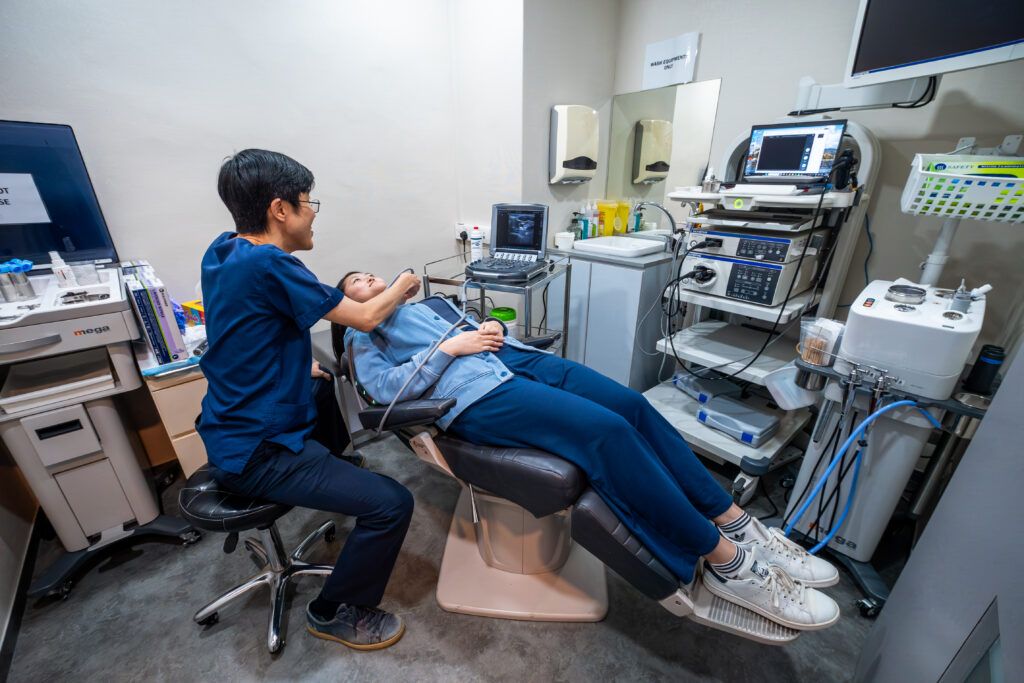
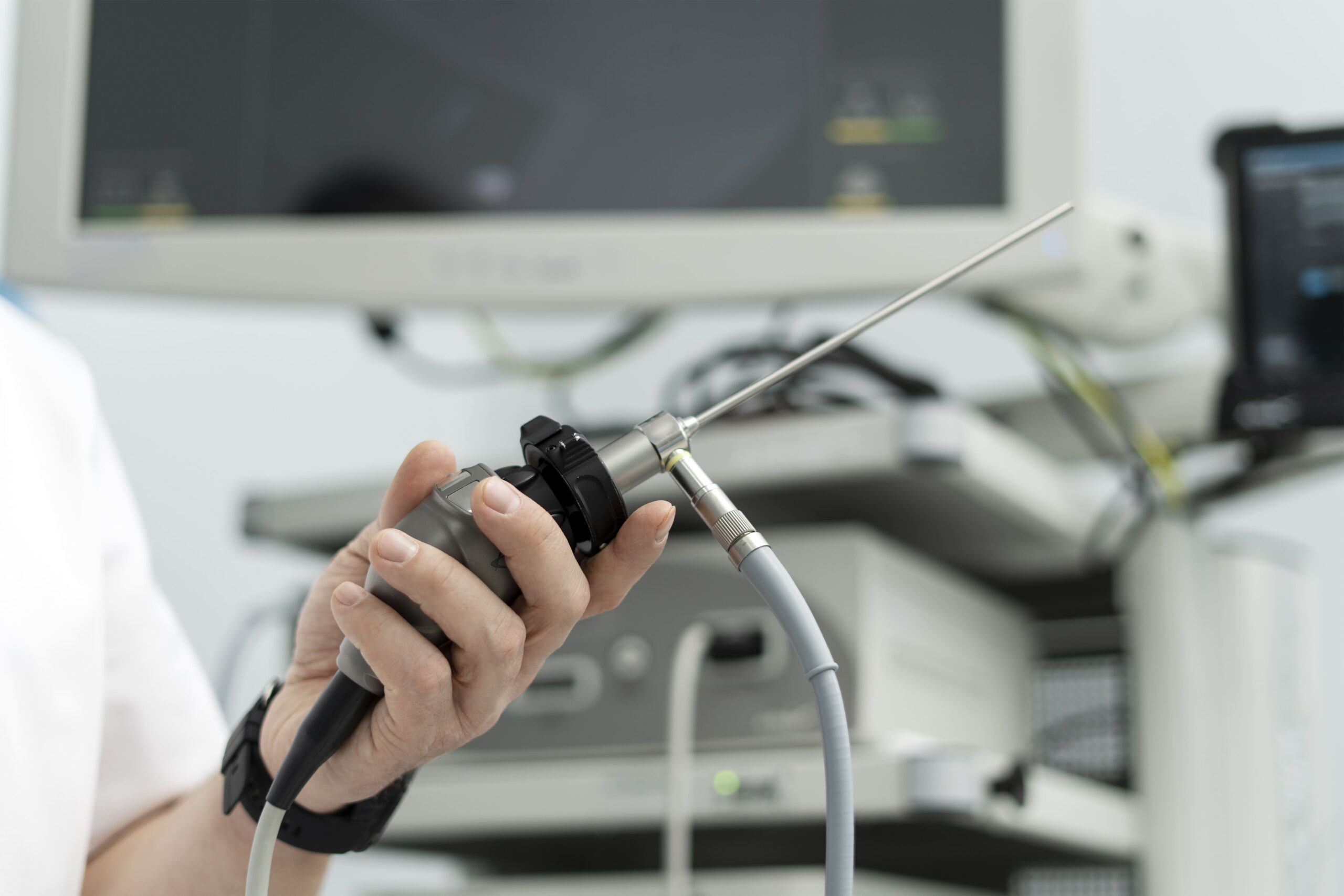
Because the symptoms of nasal allergy and sinus infection overlap significantly, an accurate diagnosis is essential for effective treatment. A Nose & Sinus ENT Specialist in Singapore can use nasal endoscopy to look for signs of purulent discharge or mucosal swelling to confirm which condition is affecting you.
ENT specialists begin evaluation with a detailed symptom history, focusing on discharge characteristics, pain location, trigger identification, and symptom duration. Anterior rhinoscopy using a nasal speculum reveals nasal membrane appearance – pale and swollen with allergic rhinitis, red and inflamed with infection. The size and colour of the inferior turbinates provide diagnostic clues, as does the presence of nasal polyps or septal deviation.
Nasal endoscopy allows direct visualisation of deeper structures that are not visible on anterior examination. The flexible endoscope navigates through the nasal passages to inspect the middle meatus where sinuses drain, identify polyps or masses, assess adenoid tissue, and evaluate post-surgical anatomy. Mucus samples collected during endoscopy can undergo culture to identify bacterial pathogens.
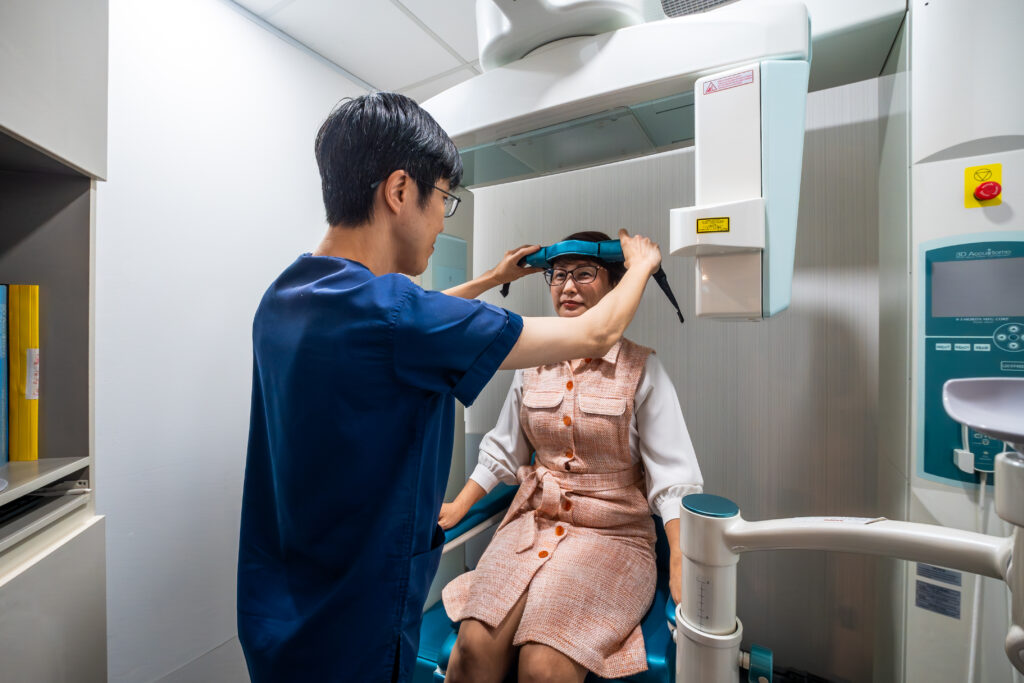
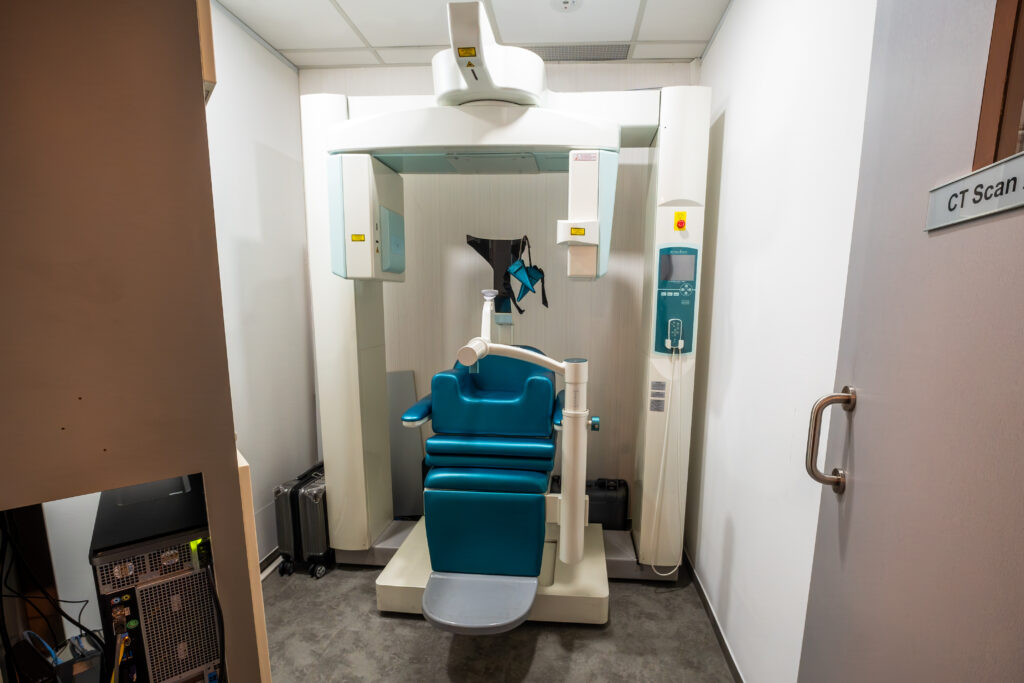
CT imaging provides detailed sinus anatomy when endoscopy suggests chronic sinusitis or surgical planning becomes necessary. CT scans reveal:
- Mucosal thickening within the sinus cavities
- Air-fluid levels indicating acute infection
- Complete sinus opacification
- Bony erosion from aggressive infections
- Anatomical variants affecting drainage
Allergy testing helps differentiate allergic from non-allergic rhinitis. Skin prick testing involves introducing small amounts of common allergens subcutaneously, and positive reactions produce wheals. Specific IgE blood tests identify allergen sensitivities when skin testing isn’t feasible.
Treatment Approaches for Rhinitis
Management depends on the type and severity of symptoms.
- Trigger avoidance: Limit exposure to allergens by using air filters, washing bedding regularly, and maintaining a clean indoor environment.
- Saline nasal rinses: Help remove irritants and mucus.
- Nasal sprays: Corticosteroid or antihistamine sprays may reduce inflammation and relieve symptoms when used as directed.
- Oral antihistamines: Can help control sneezing and itching.
If your rhinitis is characterised by constant nasal blockage that does not respond to sprays, it may be due to permanent tissue enlargement. Inferior Turbinate Hypertrophy Treatment in Singapore can help reduce the size of the nasal linings to restore clear breathing.
Those with non-allergic rhinitis may benefit from targeted nasal sprays prescribed by a healthcare professional.
✅ Quick Tip
Proper priming technique for nasal sprays should be discussed with a healthcare professional when starting a new bottle for consistent medication delivery with each use.
Treatment Approaches for Sinusitis
Most acute viral sinusitis improves with rest, hydration, and symptom relief measures such as:
- Saline irrigation and steam inhalation
- Warm compresses over the affected areas
- Sleeping with the head elevated
If symptoms persist for more than 10 days or worsen after initial improvement, bacterial sinusitis should be considered, and a physician may prescribe antibiotic therapy.
Chronic sinusitis often requires a combination of medical therapy and drainage optimisation. In some cases, topical corticosteroids may reduce inflammation. Treatment plans are personalised based on clinical findings.
Surgical Interventions
While rhinitis is often managed with allergy medications, chronic sinusitis may require structural intervention. Functional Endoscopic Sinus Surgery Singapore is a common procedure used to remove obstructive tissue and restore the natural drainage of the sinuses.
If medical treatment does not resolve chronic sinus inflammation, an otolaryngologist may recommend functional endoscopic sinus surgery (FESS) to improve sinus drainage and remove obstructions, such as polyps.
In selected cases, balloon sinuplasty may be used to gently widen obstructed openings by utilising a balloon catheter.
Surgical decisions are made only after detailed evaluation and discussion of risks, benefits, and alternatives. Continued post-surgical care and follow-up remain essential for long-term control.
Prevention Strategies
Environmental control reduces both rhinitis and sinusitis episodes. Installing HEPA filtration systems removes airborne particles down to 0.3 microns. Maintaining indoor humidity between 30% and 50% prevents both excessive dryness and mould growth. Regular HVAC maintenance ensures clean air circulation.
Nasal hygiene practices promote healthy mucous membranes:
- Daily saline irrigation during allergy seasons
- Gentle nose blowing – one nostril at a time
- Avoiding irritants like cigarette smoke
- Staying hydrated to maintain thin mucus
- Using humidifiers during dry weather
Immune system support helps prevent viral infections that trigger sinusitis. Adequate sleep, stress management, and balanced nutrition maintain immune function. Hand hygiene and avoidance of face-touching reduce viral transmission. Annual influenza vaccination prevents a common trigger of sinusitis.
Putting This Into Practice
- Keep a symptom diary, noting discharge colour, facial pain location, and potential triggers to share with your ENT specialist.
- Master proper nasal spray technique by watching instructional videos and practising with a saline spray first.
- Establish a nasal irrigation routine using distilled or boiled water with pharmaceutical-grade salt packets.
- Identify and modify environmental triggers by noting symptom patterns in different locations and seasons.
- Create an action plan that distinguishes when to use rhinitis medications versus when to seek treatment for possible sinusitis.
When to Seek Professional Help
- Facial pain or pressure lasting more than several days
- Thick, discoloured nasal discharge persisting beyond one week
- Complete loss of smell unrelated to active nasal congestion
- Recurrent sinus infections occurring more than four times yearly
- Nasal symptoms unresponsive to over-the-counter medications
- Severe headaches with nasal discharge and fever
- Eye swelling or vision changes with sinus symptoms
- Chronic post-nasal drip causing persistent cough
- Nosebleeds accompanying chronic nasal congestion
Commonly Asked Questions
Can rhinitis turn into sinusitis?
Untreated allergic or viral rhinitis may progress to sinusitis when nasal swelling blocks sinus drainage. The congested nasal passages impede normal mucus flow, creating conditions in which bacteria can multiply. Effective management of rhinitis may reduce the risk of sinusitis.
Why do my sinus symptoms worsen at night?
Lying flat reduces gravity-assisted sinus drainage, allowing mucus accumulation. Changes in blood flow during sleep also increase nasal congestion. Additionally, bedroom allergens, such as dust mites in pillows and mattresses, can trigger nighttime rhinitis symptoms.
How long should I try home treatment before seeing a doctor?
Viral rhinitis typically improves within 7-10 days. Symptoms persisting beyond two weeks, worsening after initial improvement, or accompanied by severe facial pain may warrant medical evaluation. Recurrent episodes that affect quality of life may also warrant specialist consultation.
Can I use both rhinitis and sinusitis medications together?
Many medications treat overlapping symptoms safely. Nasal corticosteroid sprays work for both conditions. However, combining multiple decongestants or using antibiotics for viral infections provides no benefit and may cause harm. Professional guidance helps determine the appropriate combination therapy.
Will sinus surgery cure my chronic sinusitis?
Surgery can improve drainage and remove obstructing tissue, but it doesn’t eliminate underlying inflammation. Patients typically require continued medical therapy post-surgery. Success depends on addressing all contributing factors, including allergies, environmental triggers, and immune dysfunction.
Next Steps
Proper diagnosis distinguishes mucosal inflammation from actual sinus involvement. Persistent symptoms warrant professional evaluation to prevent progression from rhinitis to complicated sinus disease. Early intervention often precludes the need for extensive treatment.
If you’re experiencing persistent nasal congestion, thick discoloured discharge, or facial pressure described in this article, our ENT Specialist can provide a comprehensive evaluation and personalised treatment options.