Turbinate Reduction: Treatment Overview for Persistent Nasal Blockage

Did you know that the turbinates in your nose contain erectile tissue similar to that found elsewhere in the body, causing them to swell and shrink throughout the day? The turbinates are three paired structures lining each side of the nasal cavity, covered by a mucous membrane that warms, humidifies, and filters inhaled air. When the inferior turbinates—the largest pair—become chronically enlarged, they physically obstruct airflow through the nose. Turbinate reduction refers to surgical procedures that decrease turbinate size while preserving their functions. Chronic turbinate enlargement differs from temporary swelling during colds or allergies. The tissue undergoes structural changes over time. The underlying bone sometimes thickens alongside mucosal hypertrophy.
Medical treatments such as nasal steroid sprays to reduce inflammation, antihistamines to block allergic reactions, and decongestants to shrink swollen nasal tissue can effectively manage symptoms. However, these options cannot address permanent anatomical changes, making turbinate reduction a necessary consideration when nasal obstruction persists despite months of consistent medication. The procedure aims to restore nasal airflow without compromising the turbinates’ role in nasal physiology. Removing too much tissue risks “empty nose syndrome”, a condition where the nose feels paradoxically blocked despite being anatomically open. Current techniques focus on reducing tissue volume while maintaining the mucosal surface.
Causes of Turbinate Hypertrophy
Turbinate enlargement develops through several mechanisms, often with multiple contributing factors in the same patient.
Allergic rhinitis triggers repeated inflammatory cycles. Each exposure to allergens such as dust mites, pet dander, or pollen triggers turbinate swelling. Over the years, the tissue remodels and loses its ability to return to baseline size between episodes.
Chronic rhinitis from non-allergic causes produces similar effects. Triggers include:
- Temperature changes
- Strong odours
- Hormonal fluctuations
- Certain medications
The turbinates remain persistently swollen regardless of allergen exposure.
A deviated nasal septum can cause compensatory changes in the turbinates. When the septum curves to one side, the turbinate on the opposite (wider) side often enlarges to fill the space. This “compensatory hypertrophy” can persist even after septoplasty (a surgical procedure to straighten the nasal septum).
Turbinate enlargement often occurs alongside a crooked nasal midline. When the septum is deviated to one side, the turbinate on the opposite side often swells to compensate for the extra space. In such cases, Deviated Septum Surgery in Singapore is frequently performed concurrently with turbinate reduction to achieve balanced airflow.
Environmental irritants, including cigarette smoke, air pollution, and occupational exposures, cause chronic mucosal inflammation. Prolonged irritation leads to tissue thickening and vascular engorgement within the turbinate.
Medication overuse, particularly decongestant nasal sprays used for more than a few days, can cause rebound congestion. The turbinates become dependent on the medication and swell significantly when it wears off. This creates a cycle that ultimately worsens enlargement.
Assessment Before Turbinate Reduction
Evaluation begins with detailed history-taking about nasal symptoms, their duration, triggers, and response to previous treatments. Unilateral obstruction warrants closer investigation than bilateral symptoms. It may indicate structural abnormalities or other pathology.
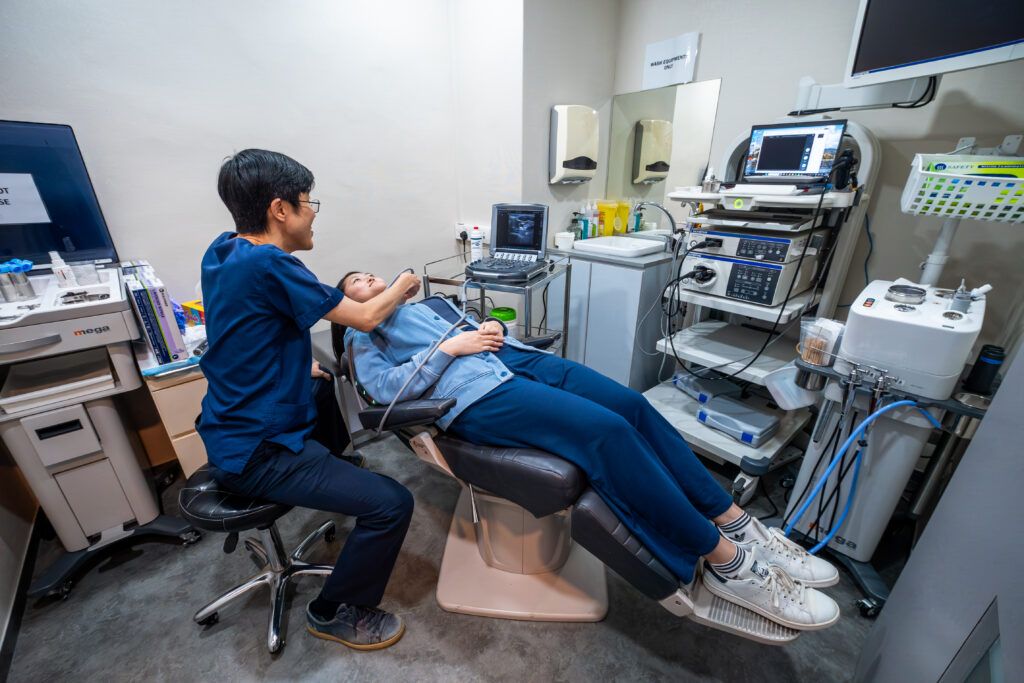
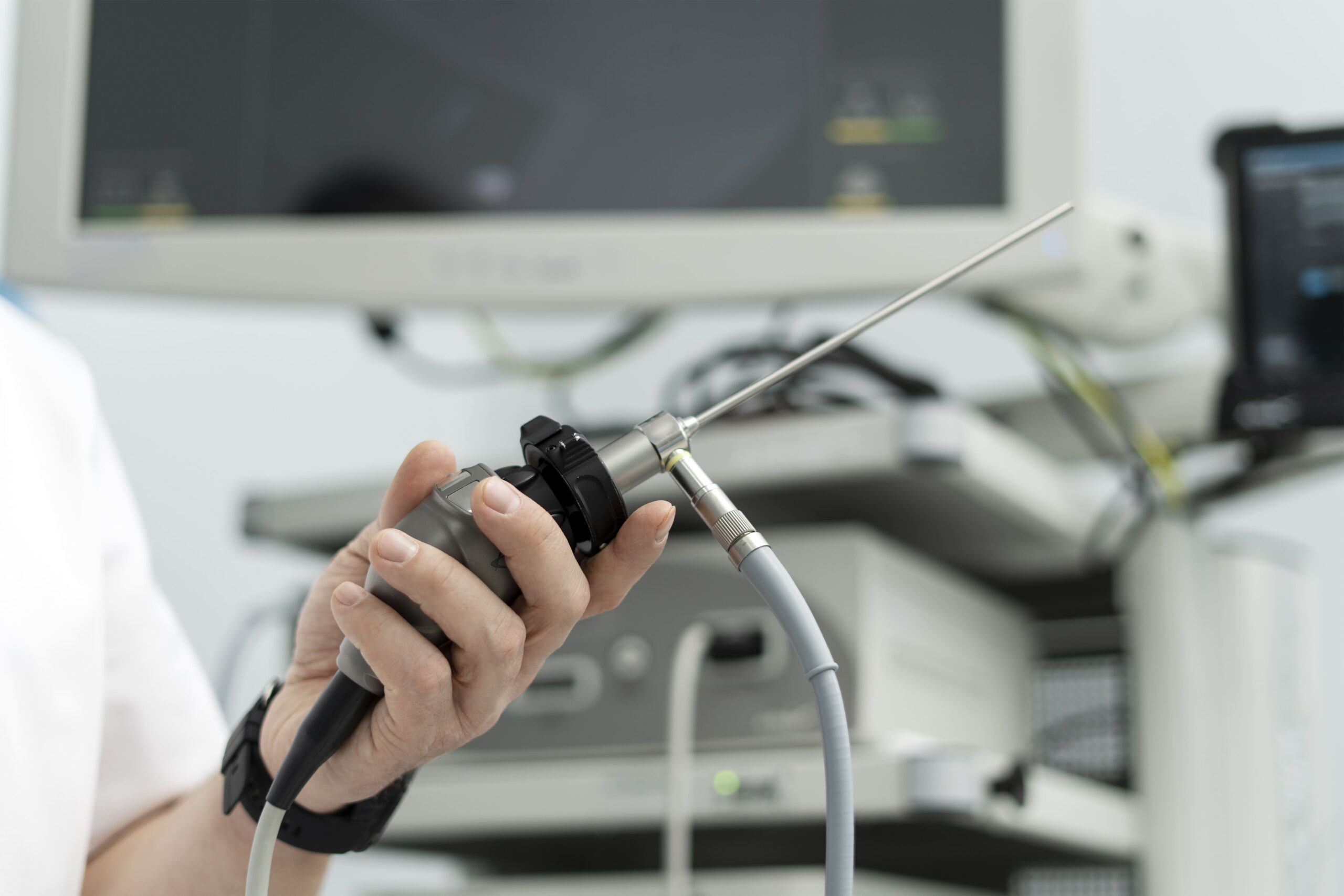
- Nasal endoscopy provides direct visualisation of turbinate size, mucosal condition, and relationship to surrounding structures. An ENT specialist (a doctor who specialises in treating ear, nose, and throat conditions) examines both sides of the nose with a thin, flexible or rigid scope. They assess turbinate colour, surface texture, and degree of obstruction.
- Response to decongestant testing helps differentiate between mucosal and bony enlargement. If turbinates shrink significantly after topical decongestant application, the hypertrophy is primarily mucosal. It may respond well to submucosal techniques. Limited response suggests bony involvement requiring different approaches.
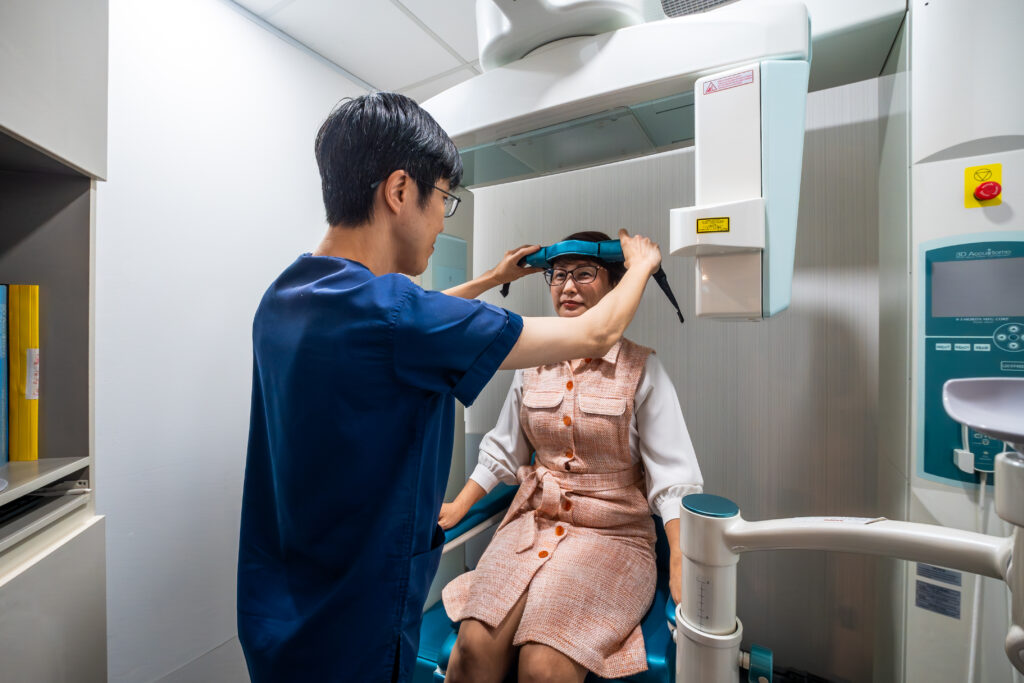
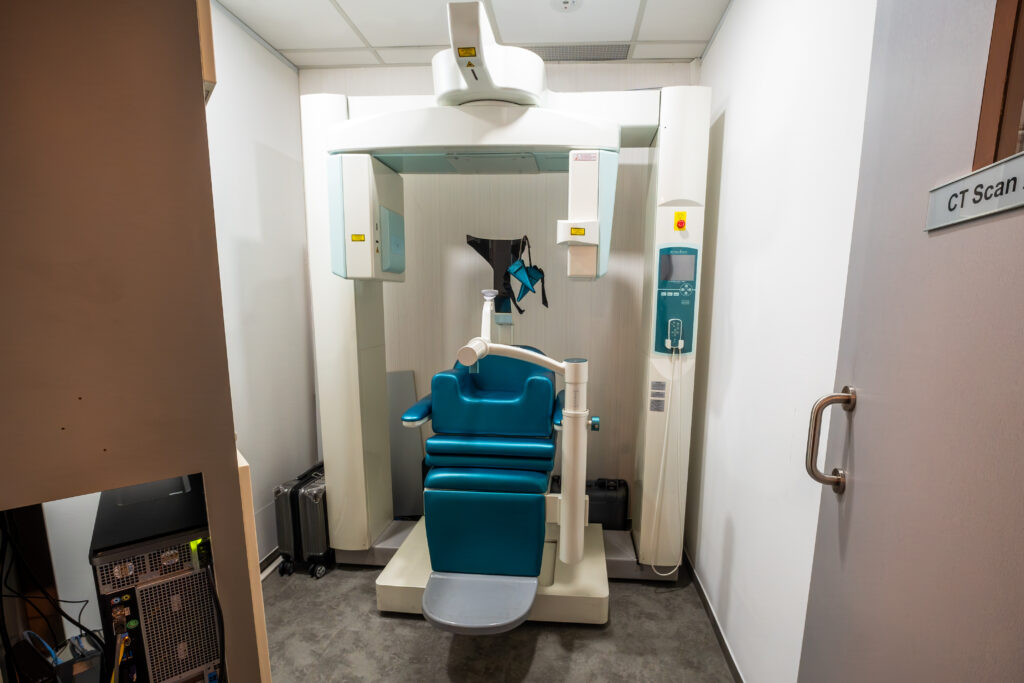
- CT imaging, a type of scan that creates detailed pictures of the inside of the nose and sinuses, is not routine. Your doctor may order it when concurrent sinus disease is suspected or when planning combined procedures. Scans reveal turbinate bone thickness, septal deviation, and sinus anatomy.
- Allergy testing identifies specific triggers if allergic rhinitis contributes to the condition. Managing allergies with avoidance measures or immunotherapy can improve outcomes and reduce recurrence risk after surgery.
Turbinate Reduction Techniques
Several methods reduce turbinate volume, each with distinct characteristics for different clinical situations.
Radiofrequency Ablation
A probe delivers controlled thermal energy to the submucosal tissue. This creates lesions that heal with scar formation and tissue contraction. The procedure takes a short time under local anaesthesia. You can undergo the procedure in a clinic setting. The mucosal surface remains intact, preserving humidification function. Multiple sessions may be needed for suitable results, spaced several weeks apart.
Submucosal Resection
The doctor makes a small incision in the turbinate head to remove underlying soft tissue and sometimes bone while preserving the outer mucosal layer. This technique provides more substantial volume reduction than radiofrequency alone and addresses bony hypertrophy. Recovery involves more crusting and temporary congestion than ablative methods.
Microdebrider-Assisted Turbinoplasty
A powered instrument with a rotating blade removes tissue through a small mucosal incision. The surgeon controls tissue removal precisely. The technique addresses both mucosal and bony components. This approach is commonly combined with septoplasty or sinus surgery.
Partial Turbinectomy
Direct removal of a portion of the inferior turbinate, usually the anterior or inferior edge, provides immediate airway improvement. However, it carries a higher risk of excessive tissue removal. Surgeons may use partial turbinectomy for severe cases unresponsive to other techniques.
Coblation
This technique uses radiofrequency energy in a saline medium to dissolve tissue at lower temperatures than traditional radiofrequency. The technique works well for mucosal hypertrophy. You can repeat it if needed.
The Procedure Experience
Patients typically undergo turbinate reduction as day surgery. Patients arrive having fasted if sedation or general anaesthesia is planned.
For office-based procedures under local anaesthesia, topical and injected anaesthetics numb the nasal cavity. Patients remain awake and can communicate throughout. The procedure causes pressure sensations but should not be painful. Total time in the clinic runs approximately an hour, including preparation and recovery.
Operating theatre procedures can be performed under general anaesthesia or sedation, which many patients prefer. Surgeons can perform combined procedures—septoplasty, sinus surgery, or adenoidectomy—in the same session. Theatre time for isolated turbinate reduction typically takes less than an hour, depending on the technique.
Nasal packing is not always required with current techniques. When surgeons use dissolvable packing materials, pack removal is unnecessary. Some surgeons place small splints for a short period if septal work accompanies the turbinate procedure.
Recovery and Healing Timeline
Days 1-3: Nasal congestion worsens before improving due to surgical swelling and crusting. Breathing through the mouth is common. Blood-tinged mucus is normal. Significant bleeding is not.
Week 1: Congestion begins improving. Crusts form inside the nose and should not be forcibly removed. Saline rinses help soften and clear debris. Most patients take several days off work. Office workers may return earlier.
Weeks 2-4: Progressive improvement in nasal airflow occurs. Crusting diminishes. Post-operative clinic visits allow for gentle crust removal and assessment of healing.
Months 1-3: Final results become apparent as swelling fully resolves and tissue remodelling completes. Some patients notice continued improvement up to several months post-procedure.
💡 Did You Know?
The inferior turbinate contains specialised erectile tissue similar to that found elsewhere in the body. This tissue engorges with blood in response to various stimuli. This explains why turbinate size fluctuates throughout the day and between nostrils in a cycle lasting several hours.
Potential Complications
- Bleeding occurs in some patients, usually within the first two weeks. Minor oozing responds to pressure and head elevation. Significant bleeding requiring intervention is uncommon with contemporary techniques.
- Crusting and dryness affect many patients during healing. Prolonged dryness beyond the normal recovery period may indicate excessive tissue removal. Regular saline irrigation typically manages this.
- Adhesions or synechiae, a scar tissue that forms connections between the turbinate and septum, can form if raw surfaces contact during healing. Silicone splints or careful post-operative care reduce this risk. Established adhesions may require minor revision.
- Recurrence of turbinate hypertrophy occurs in some patients, particularly those with ongoing allergic rhinitis or chronic inflammation. Managing underlying conditions helps maintain surgical results.
- Empty nose syndrome results from overly aggressive tissue removal. Patients describe a paradoxical sensation of obstruction despite patent airways, often with dryness, crusting, and psychological distress. Conservative tissue preservation during initial surgery prevents this complication.
Factors Affecting Outcomes
Underlying diagnosis accuracy determines success. Patients whose obstruction stems primarily from turbinate hypertrophy respond better than those with multiple contributing factors. Concurrent septal deviation, nasal valve collapse, or chronic sinusitis requires concurrent management.
Ongoing medical management supports long-term results. Continuing nasal steroid sprays, managing allergies, and avoiding irritants help prevent recurrence. Patients who discontinue all treatment after surgery experience higher recurrence rates.
Because turbinate hypertrophy is commonly a symptom of allergic rhinitis, surgery alone may not be a permanent fix if environmental triggers are not addressed. Consulting an Allergy Specialist in Singapore can help identify specific allergens and establish a long-term medical plan to maintain a clear nasal passage.
Surgical technique selection should match the specific type of hypertrophy. Your doctor will select the appropriate technique based on whether your turbinate enlargement is primarily in the mucosal tissue or involves the underlying bone. Appropriate technique selection improves outcomes while minimising complications.
Realistic expectations contribute to satisfaction. Turbinate reduction improves but may not completely eliminate nasal obstruction, especially if other anatomical factors exist.
When to Seek Professional Help
- Nasal obstruction persists despite several months of appropriate medical treatment.
- Breathing primarily through the mouth during daily activities
Persistent nasal obstruction is a significant contributor to mouth breathing and poor sleep quality. If your nasal blockage is accompanied by heavy snoring or gasping during the night, a review with a Sleep Specialist in Singapore may be necessary to rule out obstructive sleep apnoea.
- Sleep quality is affected by nasal congestion
- Recurrent sinus infections are associated with poor nasal airflow
- Significant bleeding more than two weeks after turbinate surgery
- New symptoms of facial pain or purulent discharge post-operatively
- Persistent severe dryness or crusting beyond the expected healing period
Commonly Asked Questions
How long do turbinate reduction results last?
Results typically persist for many years. However, the turbinate tissue remains capable of swelling in response to inflammation. Patients with well-controlled allergies and rhinitis maintain results longer. Some patients require repeat procedures after several years, particularly if underlying conditions are not managed appropriately.
Can turbinate reduction be performed with septoplasty?
Combining procedures is common and often recommended when both contribute to obstruction. The septum is straightened, and the turbinate volume is reduced in the same operation. This addresses both anatomical issues with a single recovery period. Combined procedures do not significantly increase risk compared to either procedure alone.
Will I need to stop blood-thinning medications?
Blood-thinning medications, including aspirin, warfarin, and newer anticoagulants, increase bleeding risk. Healthcare professionals typically request cessation of the medication up to two weeks before surgery, depending on the specific medication. You must coordinate this with the prescribing doctor, particularly for patients with cardiac conditions or clotting disorders.
Is turbinate reduction painful?
The procedure itself is not painful when properly anaesthetised. Post-operative discomfort is generally mild to moderate. Patients describe it as pressure or congestion rather than sharp pain. Simple analgesics provide adequate relief for most patients. Discomfort from nasal packing, if used, exceeds that from the surgery itself.
What if my symptoms return after surgery?
Recurrence may indicate turbinate regrowth, new or worsening underlying conditions, or previously unrecognised contributing factors. Re-evaluation with nasal endoscopy identifies the cause. Options include medical management tailored to your situation, repeat turbinate reduction, or addressing other anatomical issues discovered during reassessment.
Conclusion
Accurate diagnosis and appropriate technique selection determine outcomes. Ongoing management of allergies and rhinitis helps maintain results and reduces the risk of recurrence.
If you’re experiencing persistent nasal blockage or mouth breathing despite using nasal steroid sprays or other medications, consult an ENT specialist to evaluate whether turbinate reduction is appropriate for your situation.