Sinus Surgery Cost In Singapore: A Price Guide
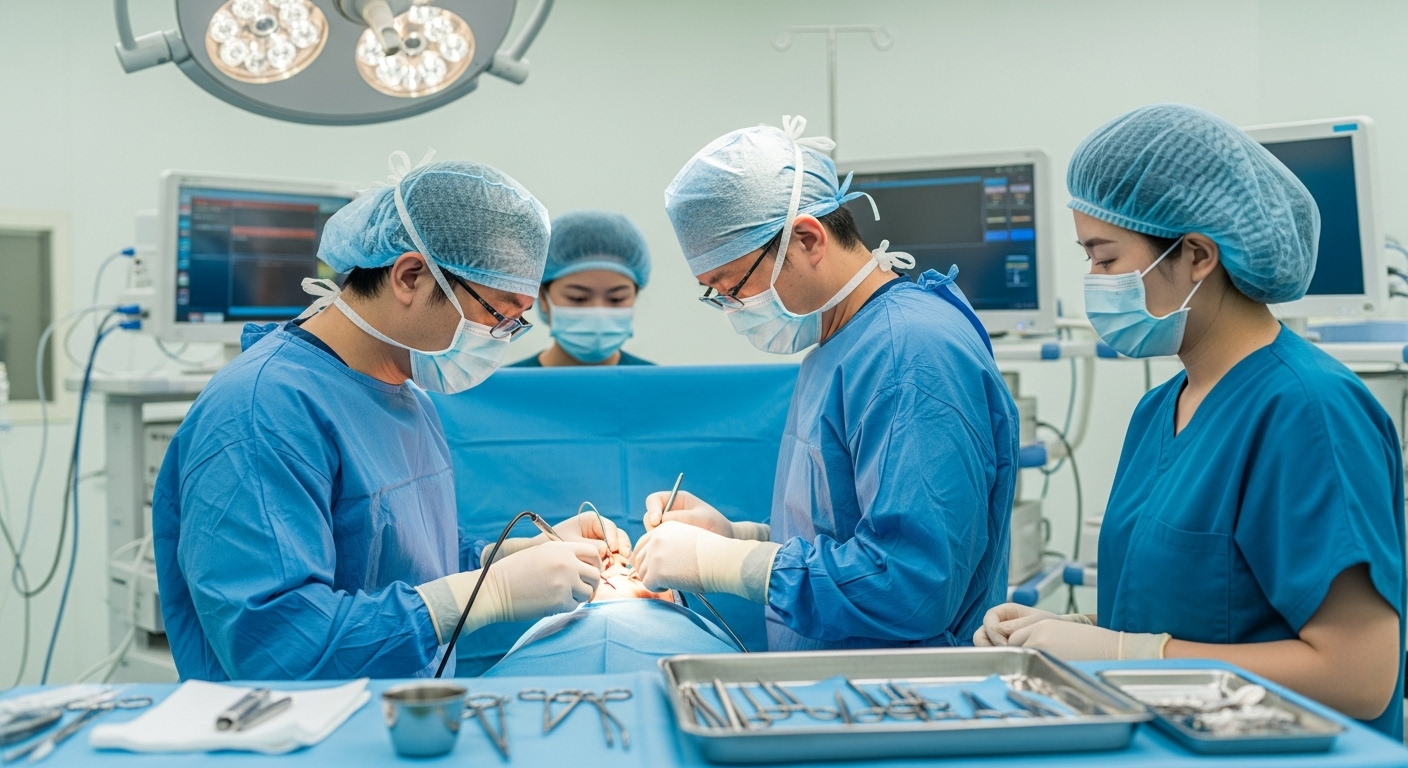
Sinus surgery costs in Singapore vary depending on the procedure type, surgical complexity, and facility setting. The total bill typically includes professional fees for the surgeon and anaesthetist, operating theatre use, hospital stay, and post-operative care, though specific components may vary by facility.
Procedures such as functional endoscopic sinus surgery (FESS) or balloon sinuplasty typically differ in cost based on factors including surgical time, the technology used, and whether additional procedures are performed. In general, fees may vary across healthcare facilities depending on their resources and post-operative monitoring levels.
Types of Sinus Surgery and Their Costs
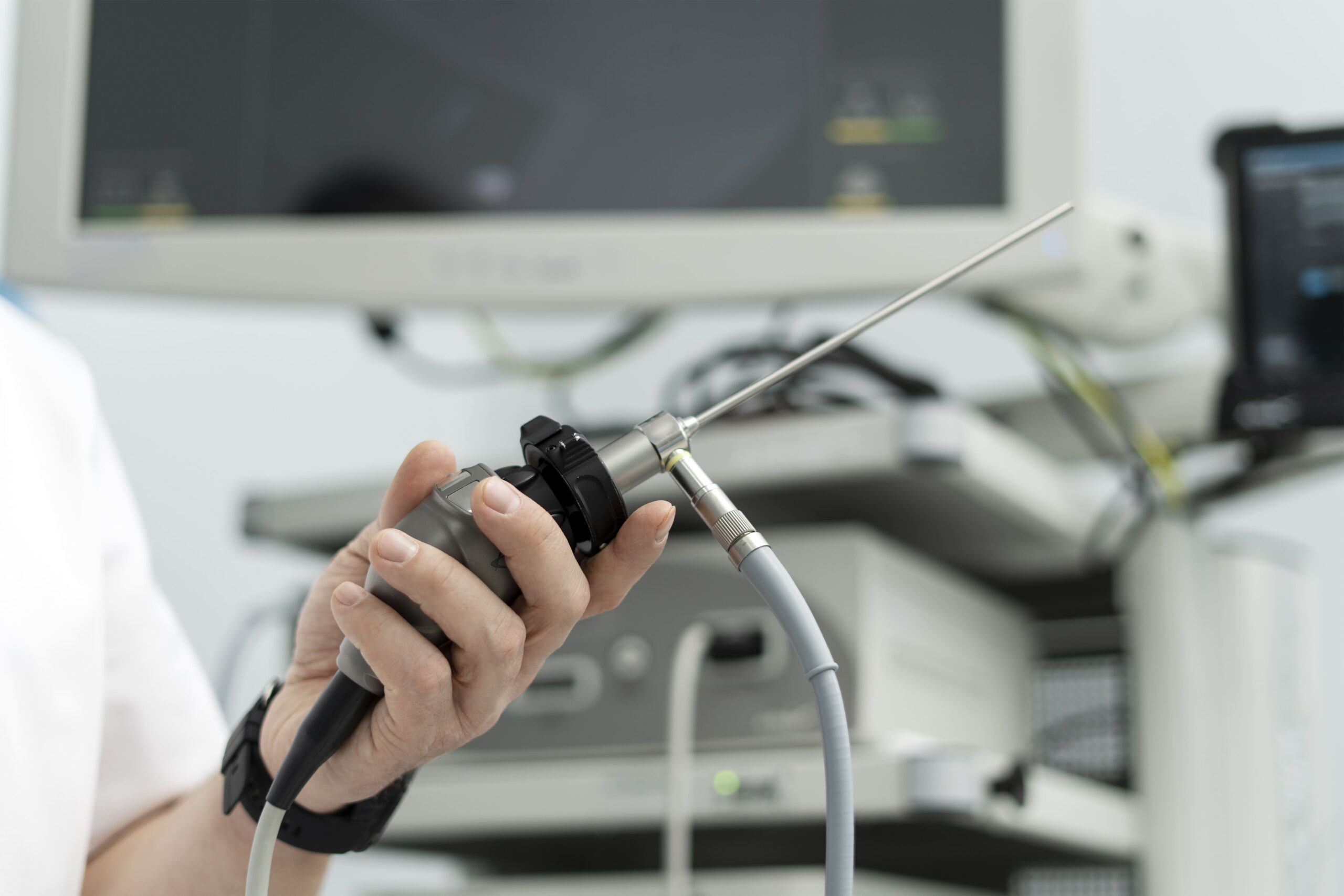
One of the most common procedures for treating chronic sinusitis is Functional Endoscopic Sinus Surgery Singapore. This technique involves using an endoscope to clear blocked passages and restore natural drainage, and the total cost will depend on the complexity of the sinus involvement.
Functional Endoscopic Sinus Surgery (FESS)
This minimally invasive technique uses an endoscope to remove diseased tissue and open blocked sinuses. Complex FESS involving multiple sinuses or revision surgery requires more extensive work than procedures limited to one or two sinuses. Computer-assisted navigation may be used when anatomical complexity requires precision.
Balloon Sinuplasty
This procedure dilates sinus openings using a small balloon catheter without removing tissue. The procedure typically involves reduced surgical time and minimal tissue trauma compared to traditional FESS.
For suitable candidates, minimally invasive options may reduce the length of hospitalisation. Consulting a Balloon Sinuplasty Specialist in Singapore can help you understand if this “keyhole” technique is a viable option for your condition and how it compares to traditional surgery costs.
Combining balloon sinuplasty with limited FESS may be needed when particular sinuses need tissue removal, while others benefit from simple dilation.
Image-Guided Surgery
Some cases may require image-guided technology for precise navigation near critical structures such as the eyes or brain. This technology is used at the surgeon’s discretion based on individual clinical needs.
Cost Breakdown Components
Surgeon’s Professional Fees
Professional fees vary based on case complexity, surgical time, and the scope of the procedure. Revision surgeries generally require longer operating times and, therefore, may incur higher overall treatment costs.
Anaesthesia Charges
General anaesthesia for sinus surgery involves costs for the anaesthetist’s professional fee, medications and monitoring equipment. Longer surgeries typically incur higher anaesthesia charges due to extended monitoring time and increased medication use.
Some minor procedures performed under local anaesthesia with sedation may be less costly. However, most sinus surgeries require general anaesthesia for patient comfort and surgical access.
Operating Theatre and Equipment
Operating theatre charges vary per hour. Sinus surgery typically requires 1.5 to 3 hours in the operating room. These charges cover sterile equipment, nursing staff, and endoscopic instruments.
Disposable items like balloon catheters, navigation reference frames, and suction devices add to the cost. Facilities bundle some disposables into theatre charges while billing others separately.
Hospital Stay Costs
Hospital stay costs depend on the length of stay and the room type. Patients undergoing day surgery typically return home the same day, while some may require overnight monitoring based on clinical needs.
Additional Procedures That Affect Total Cost
Septoplasty
It is common for sinus surgery to be performed alongside other corrective procedures to improve the airway. For instance, Deviated Septum Surgery in Singapore is often combined with sinus work to address structural blockages that contribute to recurrent infections.
Combining septoplasty with sinus surgery typically increases overall costs. The exact amount varies depending on facility, complexity, and other factors. Many patients require septum straightening to improve sinus drainage and surgical access. The additional surgical time and complexity contribute to this cost increase.
Performing both procedures simultaneously may reduce overall costs compared to staged surgeries, as separate operations would typically duplicate anaesthesia, facility, and recovery costs.
Turbinate Reduction
Turbinate reduction, when performed with sinus surgery, typically increases overall costs. The additional amount varies depending on the technique used and facility factors. Enlarged turbinates often contribute to nasal obstruction and require treatment during sinus procedures. Radiofrequency reduction typically costs less than surgical excision and may provide comparable outcomes in suitable cases.
Nasal Polyp Removal
Extensive polyposis increases surgical time and complexity, potentially leading to higher costs. Small polyps removed during routine FESS don’t significantly impact pricing. Cases requiring complete ethmoidectomy and sphenoidectomy for diffuse polyposis typically involve more substantial expenses due to the extent of surgery needed.
Factors Influencing Surgery Costs
Facility Type
Private hospitals typically charge more than specialist clinics for identical procedures. Hospital overhead, more extensive support staff, and facilities contribute to these differences. However, hospitals offer immediate access to emergency services and intensive care if complications arise.
Ambulatory surgery centres provide a middle ground, offering lower costs than hospitals while maintaining appropriate safety standards for sinus procedures.
Case Complexity
Revision surgeries cost more due to altered anatomy and scar tissue. Previous surgery distorts typical landmarks and increases risks, requiring longer operative time and often image guidance. Surgeons typically charge higher fees for revision cases.
Extensive disease involving all sinuses, frontal sinus drill-outs, or skull base work pushes costs toward higher ranges. Simple maxillary or anterior ethmoid surgery remains at lower price points.
Technology Requirements
Powered instrumentation (microdebriders) adds to disposable costs. These devices can improve polyp removal efficiency and reduce surgical time. Many surgeons consider them standard for polyposis cases.
Absorbable packing materials cost more per case but eliminate the pain of packing removal. Drug-eluting stents, which prevent scarring, increase costs per stent and, in some cases, require multiple stents.
Pre-Operative Costs
Diagnostic Tests
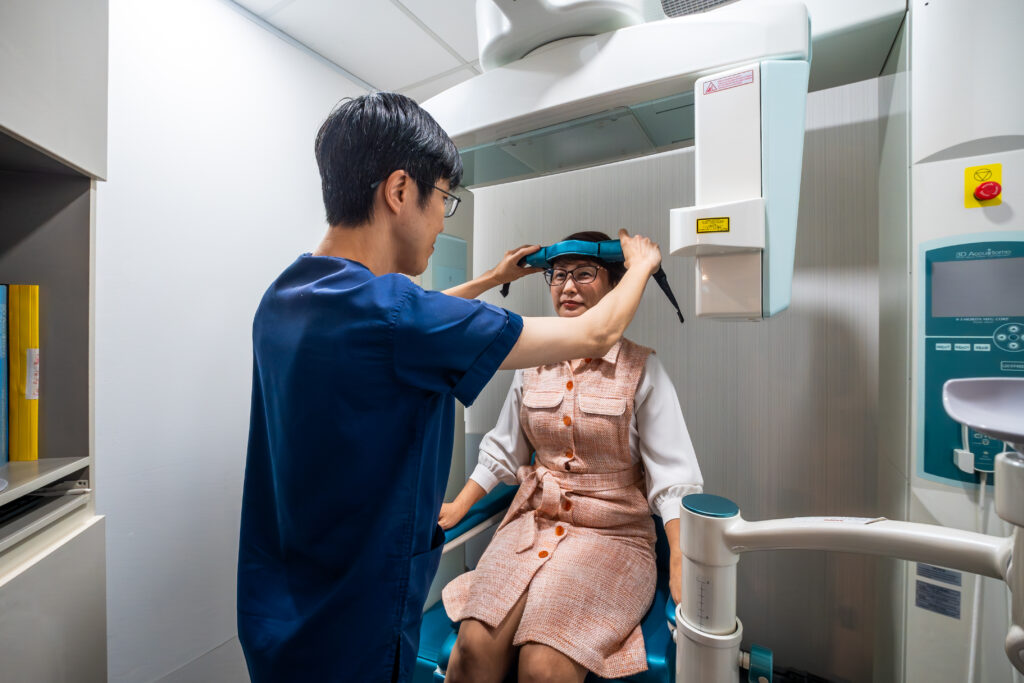
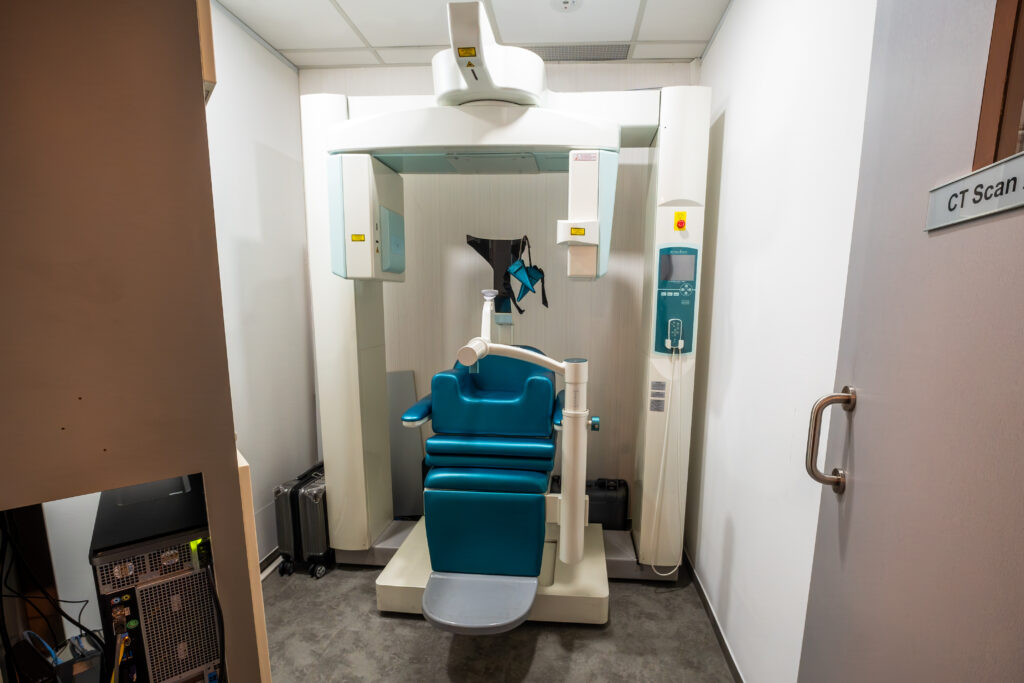
CT scans are typically required before sinus surgery. High-resolution images guide surgical planning and document disease extent.
Nasal endoscopy during consultation confirms physical findings and may identify anatomical variations that affect the surgical approach. Most surgeons include initial endoscopy in consultation fees but charge separately for repeated examinations.
Medical Clearance
Patients over 50 or with medical conditions require pre-operative assessment. This includes blood tests, ECG, and a physician’s evaluation. Chest X-rays may be indicated.
Additional specialist clearance for cardiac or respiratory conditions may be required. These evaluations ensure surgical safety..
Post-Operative Care Expenses
Follow-Up Visits
Post-operative medications and follow-up visits form part of recovery expenses. The overall cost depends on the number of visits and medication prescribed by the healthcare provider.
Medications
Post-operative medications typically represent an additional expense, with costs varying depending on the specific medications prescribed and treatment duration. Antibiotics, pain relievers, and nasal sprays comprise standard prescriptions.
Specialised medications, such as anti-fungals or biologics for specific conditions, may result in higher pharmaceutical costs.
Nasal irrigation supplies represent an ongoing expense for post-operative care and long-term sinus health.
Payment Options and Financial Planning
Medisave Usage
Medisave may be used for eligible sinus surgery procedures, subject to the prevailing withdrawal limits. Patients should verify current Medisave withdrawal limits and procedure eligibility before surgery.
The Table of Surgical Procedures assigns specific codes that help determine claimable amounts, which may vary based on the particular procedure performed. Complex procedures may qualify for multiple procedure codes, allowing higher Medisave withdrawals, subject to prevailing limits.
Patients must pay remaining balances through cash, Medishield Life, or Integrated Shield Plans.
Insurance Coverage
Integrated Shield Plans typically cover a portion of sinus surgery costs after deductibles and co-insurance. Pre-authorisation is essential to confirm coverage. Insurance companies may request medical records documenting failed medical therapy before approving surgery.
Riders eliminating co-payments and deductibles can reduce patient costs. However, recent regulatory changes have reduced rider availability and increased premiums.
Payment Plans
Many facilities offer interest-free instalment plans for 6-12 months. These arrangements help patients manage surgical bills without having to pay in full up front. Credit card payments may earn rewards, but should be paid promptly to avoid interest charges.
Patients are encouraged to clarify insurance coverage and financing options with their healthcare provider before proceeding with surgery.
Commonly Asked Questions
What’s included in the quoted surgery price?
Standard quotes include surgeon fees, anaesthesia, operating theatre time, basic consumables, one-night stay, and follow-up visits for 6-8 weeks. Additional procedures, extended stays, or complications incur separate charges. Always request detailed breakdowns distinguishing professional fees from facility charges.
How do public hospital costs compare?
Public hospitals offer subsidised rates, resulting in significant savings. However, waiting times are longer for non-urgent cases. Surgeon choice remains limited in subsidised settings, though surgical quality remains consistent.
Can I combine sinus surgery with cosmetic rhinoplasty?
Combining functional and cosmetic procedures is possible, but it affects coverage. Only the functional component may be covered, requiring careful billing separation. The cosmetic portion adds additional costs depending on complexity.
Why do revision surgeries cost more?
Scar tissue from previous surgery obscures anatomy and increases bleeding risk. Surgeons spend additional time navigating altered structures safely. Image guidance becomes nearly mandatory, adding technology costs. Increased complexity justifies higher fees.
What if complications increase my costs?
Complications can increase total expenses. Bleeding requiring return to theatre, orbital or skull base injuries, or infections needing prolonged antibiotics can impact costs.

Conclusion
Request detailed quotations including all components, confirm insurance coverage limits, and discuss payment arrangements before proceeding. Consider both immediate surgical costs and potential long-term health implications when evaluating your options.
If you’re experiencing chronic sinusitis, persistent nasal obstruction, or recurrent sinus infections unresponsive to medical therapy, a qualified ENT specialist can evaluate your condition and provide detailed cost estimates for appropriate surgical options.