Recovery After Septoplasty: What You Need To Know

Septoplasty recovery follows predictable patterns with specific milestones at each stage. The first 48 hours involve the most discomfort, with gradual improvement over 2-4 weeks. Your nasal passages undergo significant healing during this period; therefore, it is important to follow postoperative instructions carefully.
Blood-tinged drainage and nasal congestion dominate the initial recovery phase. Internal splints or packing, if placed, create additional pressure sensations. Most patients return to desk work within 3-5 days but require 2-3 weeks before resuming strenuous activities. Complete internal healing continues for 3-6 months as swelling subsides and breathing improves.
Immediate Post-Surgery Period (First 24-48 Hours)
Your nose will be packed with gauze or have internal splints immediately after surgery. A drip pad taped under the nostrils collects drainage and requires replacement every 30-60 minutes initially. Blood-tinged mucus appears dark red at first, gradually lightening to pink over 24-48 hours.
Pain levels typically peak 4-6 hours post-surgery as anaesthesia wears off. Most patients rate discomfort at 4-6/10 on the pain scale, describing pressure and congestion rather than sharp pain. Prescribed pain medications manage this effectively when taken as directed.
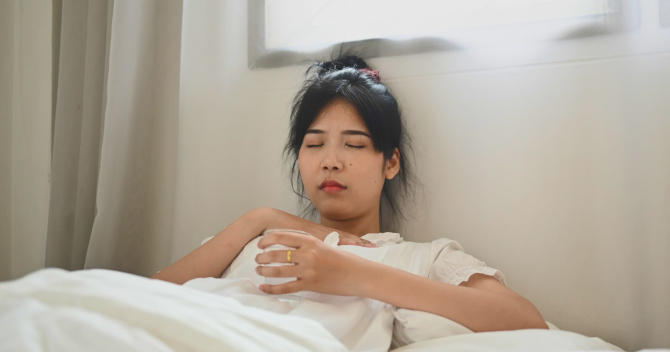
Sleep proves challenging the first night due to mandatory head elevation and mouth breathing. Stack 2-3 pillows or use a wedge pillow to maintain a 30-45 degree elevation. A humidifier beside your bed helps reduce dryness in your throat from mouth breathing. Keep water, lip balm, and tissues within reach.
💡 Did You Know?
The nasal septum contains specialized tissue that can regenerate completely after surgery, unlike many other body structures. This unique healing capacity allows the mucous membrane to restore normal function within weeks.
Swelling peaks around day 2-3, causing complete nasal blockage even after packing removal. This congestion feels similar to severe cold symptoms, but without the ability to blow your nose. Ice packs applied to the bridge of your nose for 10-15 minutes every hour while awake reduce swelling and discomfort.
Managing Pain and Discomfort
Pain medication schedules require strict adherence for the first 3-4 days. Take prescribed medications before pain intensifies rather than waiting for severe discomfort. Most surgeons prescribe paracetamol with codeine or similar combinations, transitioning to plain paracetamol after day 3-4.
Familiar discomfort sources include:
- Pressure from internal swelling
- Dry throat from mouth breathing
- Sinus pressure and headaches
- Ear fullness from eustachian tube swelling
- Upper teeth sensitivity from nerve irritation
Throat discomfort often surprises patients but results from continuous mouth breathing. Throat lozenges, warm tea with honey, and frequent small sips of water provide relief. Avoid menthol or eucalyptus products that might irritate healing nasal tissues.
⚠️ Important Note
Never insert anything into your nostrils during recovery, including cotton swabs, tissues, or fingers. This risks displacing healing tissues and causing bleeding or infection.
Ice application requires careful technique to avoid frostbite on sensitive facial skin. Wrap ice packs in thin cloth and apply for up to 10-15 minutes. Focus on the bridge and cheek areas, avoiding direct contact with the nose tip, where sensation may be reduced.
Nasal Care and Cleaning Instructions
Saline rinses begin after your surgeon removes packing, typically on days 1-3 post-surgery. Use a pre-made isotonic saline solution, or mix 1/4 teaspoon of non-iodised salt with 8 ounces of distilled water. The room-temperature solution is most comfortable.
Proper rinsing technique:
- Lean forward over a sink at 45 degrees
- Gently squeeze saline into one nostril
- Allow the solution to drain from both nostrils
- Avoid forceful sniffing or blowing
- Pat the external areas dry with soft tissue
Perform rinses 3-4 times daily, especially after meals and before bed. Blood clots and crusts gradually loosen and drain with consistent rinsing. Dark brown or black crusts may appear alarming, but are regular healing debris.
External cleaning focuses on removing dried blood and discharge without disturbing internal structures. Dip cotton swabs in saline solution and gently clean the nostril margins. Replace drip pads as needed until drainage stops, typically by day 3-4.
Your surgeon may prescribe an antibiotic ointment for the nostril edges if excessive crusting develops. Apply thin layers with clean cotton swabs, avoiding deep insertion. Some surgeons recommend petroleum jelly as an alternative to maintain moisture.
Activity Restrictions and Timeline
Physical limitations protect delicate healing tissues from increased blood pressure and accidental trauma. Bending forward, lifting objects over 10 pounds, and straining during bowel movements risk bleeding complications in the first week.
Week 1 restrictions:
- No bending below waist level
- No lifting over 10 pounds
- No strenuous exercise
- No nose blowing
- Sneeze with mouth open
- Avoid hot showers and steam
Week 2-3 gradual return:
- Light walking permitted
- Gentle stretching allowed
- Return to desk work
- Resume normal shower temperature
- Light household activities
Week 4 onwards:
- Jogging and light cardio
- Weightlifting with modifications
- Swimming in chlorinated pools
- Contact sports after 6-8 weeks
- Complete activities by week 6
✅ Quick Tip
Place commonly used items at counter height before surgery to avoid bending. Pre-cook meals or arrange meal delivery for the first week to minimize kitchen activities.
Sexual activity requires waiting 1-2 weeks until blood pressure normalises and bleeding risk decreases. Avoid positions causing head congestion or nasal pressure. Communication with your partner about limitations prevents accidental bumps.
Diet and Hydration During Recovery
Soft, room-temperature foods minimise chewing effort while facial muscles remain sore. Hot foods and beverages increase nasal blood flow, potentially triggering bleeding. Spicy foods cause nasal discharge and should be avoided 2-3 weeks.
Recommended foods first week:
- Yoghurt and smoothies
- Mashed potatoes and soups
- Scrambled eggs
- Pasta with mild sauce
- Rice porridge
- Soft fruits like bananas
Hydration requirements increase due to mouth breathing. Aim for 2-3 litres of water, herbal tea, and clear broths daily. Alcohol delays healing and interacts with pain medications – avoid altogether for two weeks minimum.
Constipation from pain medications and reduced activity affects many patients. Increase fibre through prunes, whole grains, and vegetables. Stool softeners prevent straining that could trigger nosebleeds. Stay well-hydrated and walk regularly within activity limits.
What Our ENT Specialist Says
“Septoplasty recovery varies significantly between patients based on deviation severity and individual healing rates. Patients with severe deviations often experience more dramatic improvements in breathing but require more extended recovery periods. I emphasise patience during the first month; many patients feel discouraged when congestion persists despite surgery, not realising that internal swelling can take weeks to resolve completely.
Smooth recovery depends on following postoperative instructions precisely. Patients who maintain proper nasal hygiene with saline rinses heal more quickly and experience fewer complications. Those who return to activities too quickly often experience setbacks requiring additional recovery time. Trust the process and communicate any concerns promptly rather than waiting for follow-up appointments.”
Putting This Into Practice
- Create a recovery station beside your bed with medications, tissues, a water bottle, lip balm, and entertainment. Having essentials within reach minimises movement and strain during peak periods of discomfort.
- Set medication alarms on your phone for the first week. Include reminders for saline rinses to maintain consistent nasal hygiene. Pain control is more effective with scheduled dosing than with reactive treatment.
- Prepare the environment by deep cleaning prior to surgery. Dust and allergens irritate healing nasal passages. Change the bed sheets, vacuum thoroughly, and consider using hypoallergenic pillowcases during recovery.
- Document your recovery with daily photos and symptom notes. This helps track improvement and provides valuable information if complications arise. Note drainage colour changes, pain levels, and breathing quality.
- Arrange support systems for childcare, pet care, and household tasks. Even simple activities, such as loading the dishwasher, violate bending restrictions. Having help available prevents overexertion and complications.
When to Seek Professional Help
- Bright red bleeding lasting over 30 minutes despite pressure
- Fever above 38.5°C persisting over 24 hours
- Severe headache unresponsive to prescribed pain medication
- Vision changes or eye swelling
- Clear fluid draining from the nose (possible CSF leak)
- Foul-smelling nasal discharge indicates infection
- Difficulty swallowing or breathing through the mouth
- Excessive drowsiness or confusion
- Pain is increasing rather than improving after day 3
Commonly Asked Questions
When can I blow my nose normally?
Gentle nose blowing typically resumes 7-10 days post-surgery, depending on your surgeon’s protocol. Start with very light pressure, one nostril at a time. Full-force blowing waits until week 3-4, when internal healing is strongest. Forceful early blowing can cause septal displacement or bleeding.
Why is my breathing worse immediately after surgery?
Internal swelling peaks on days 2-4, completely blocking the nasal passages despite septum correction. This temporary congestion exceeds pre-surgery levels but resolves as swelling subsides. Weeks 3-4 bring noticeable improvement, with optimal breathing achieved by months 3-6.
How long will it take for me to wear glasses?
Glasses rest directly on surgical sites, necessitating 3-4-week delays for regular wear. Use tape to suspend glasses from your forehead if needed for work or driving. Contact lenses may provide a temporary alternative if tolerated. Heavy frames require longer healing periods than lightweight options.
When do dissolvable stitches disappear?
Internal dissolvable stitches typically dissolve within 4-8 weeks. You might notice small white threads in nasal discharge or during rinses. Never remove visible sutures; allow natural dissolution. Some patients report mild irritation as stitches loosen before dissolving completely.
Can I fly after septoplasty surgery?
Air travel restrictions typically last 2-3 weeks due to pressure changes that affect healing tissues. Short domestic flights may be permitted after 2 weeks with surgeon approval. Long-haul international flights are delayed by 3-4 weeks. Use a saline spray frequently during flights to combat cabin air dryness.
Next Steps
Septoplasty recovery requires patience and careful attention to post-operative care. Most patients achieve significant improvements in breathing within 4-6 weeks, with continued improvement over several months.
If you’re experiencing persistent nasal obstruction, recurrent sinus infections, or breathing difficulties affecting sleep quality, our otolaryngologist can evaluate your septum and discuss whether septoplasty could improve your symptoms.