Septoplasty Cost In Singapore: A Guide For Patients
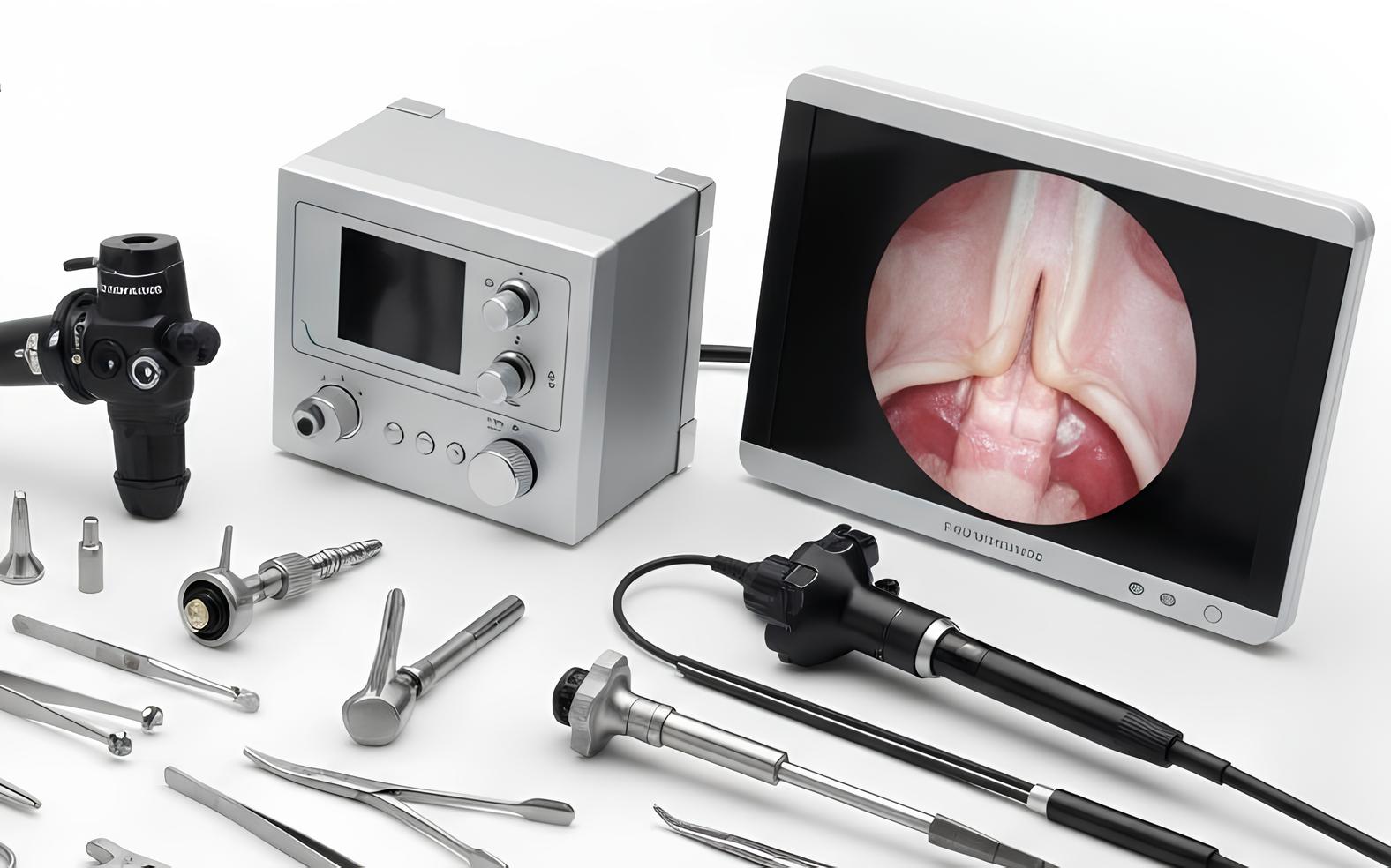
Septoplasty surgery in Singapore ranges from $3,000 to $15,000, with significant variations based on hospital type, surgeon expertise, and case complexity. Public hospitals charge $3,000-$6,000 for subsidised patients, while private facilities typically charge $8,000-$15,000. These figures include surgeon fees, facility charges, anaesthesia, and basic post-operative care, though additional costs may apply for medications, extended monitoring, or concurrent procedures such as turbinate reduction.
The wide cost range reflects differences in surgical approaches, technology used, and whether additional procedures are performed simultaneously. Computer-assisted navigation systems, endoscopic techniques, and concurrent sinus surgery can increase costs by $2,000 to $5,000.
Breakdown of Septoplasty Expenses
Surgeon’s Professional Fees ($2,000-$6,000)
ENT specialists base their fees on case complexity, surgical duration, and technical requirements. Straightforward septoplasties, typically requiring 30-45 minutes, typically incur lower fees, while complex revisions or cases with severe deviation demand higher charges. Surgeons performing concurrent procedures, such as turbinate reduction or sinus surgery, adjust fees accordingly.
Experience level and specialised training influence pricing structures. Senior consultants with subspecialty fellowship training often charge higher rates, particularly for revision cases or complex anatomical variations. Some surgeons offer package pricing that includes pre-operative assessments and post-surgical follow-ups.
Hospital and Facility Charges ($3,000-$8,000)
Operating theatre fees account for the largest share of facility charges, typically ranging from $1,500 to $3,000 per hour. This covers sterile equipment, specialised instruments, nursing staff, and recovery room monitoring. Private hospitals charge higher rates due to upgraded facilities and personalised nursing care.
Accommodation costs vary dramatically between ward classes. C-class beds in restructured hospitals cost $35- $80 per day, while private hospital single rooms range from $400 to $800 per day. Most septoplasty patients require 1-2 nights of hospitalisation, though day-surgery options are available for uncomplicated cases.
Anaesthesia Services ($800-$2,000)
General anaesthesia remains standard for septoplasty, with anesthesiologist fees calculated based on surgical duration and patient risk factors. Pre-operative assessments, intraoperative monitoring, and immediate post-operative care are included in this fee structure. Complex medical histories or prolonged surgeries increase anaesthesia charges.
Some facilities offer monitored anaesthesia care (MAC) for specific cases, potentially reducing costs by $300-$500. However, general anaesthesia provides optimal surgical conditions for most septoplasties, particularly when addressing posterior deviations or performing concurrent procedures.
Diagnostic and Pre-operative Tests ($300-$800)
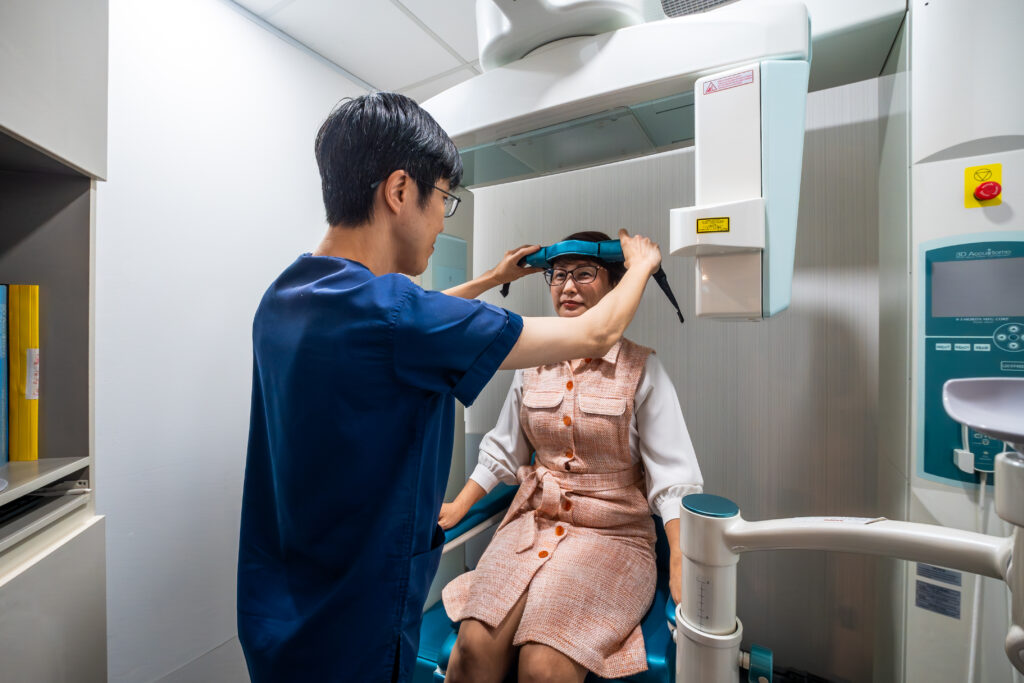
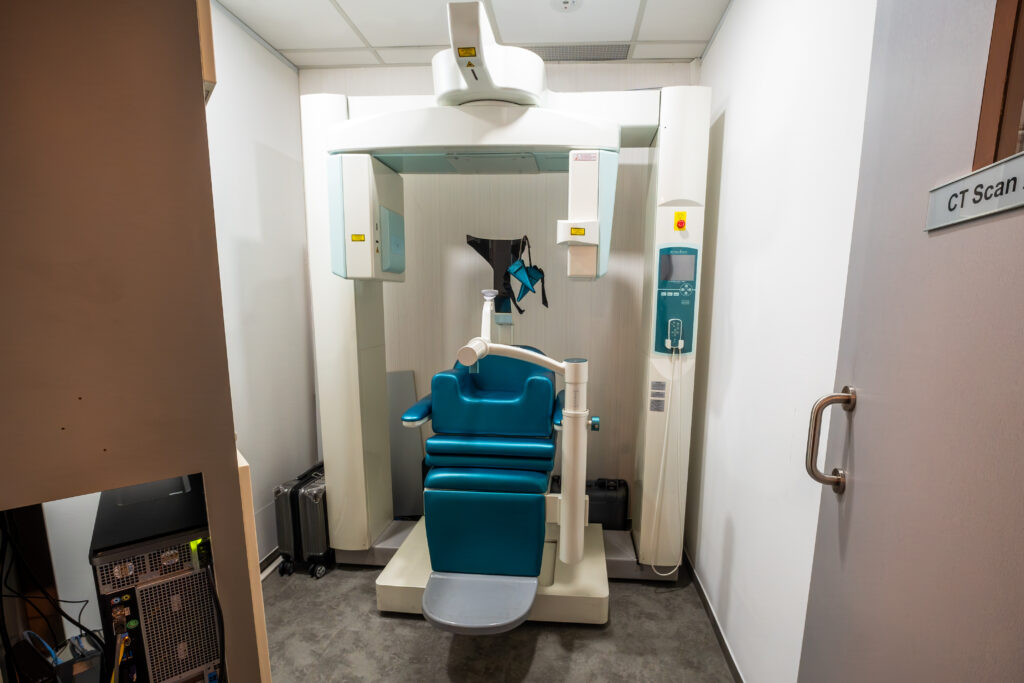
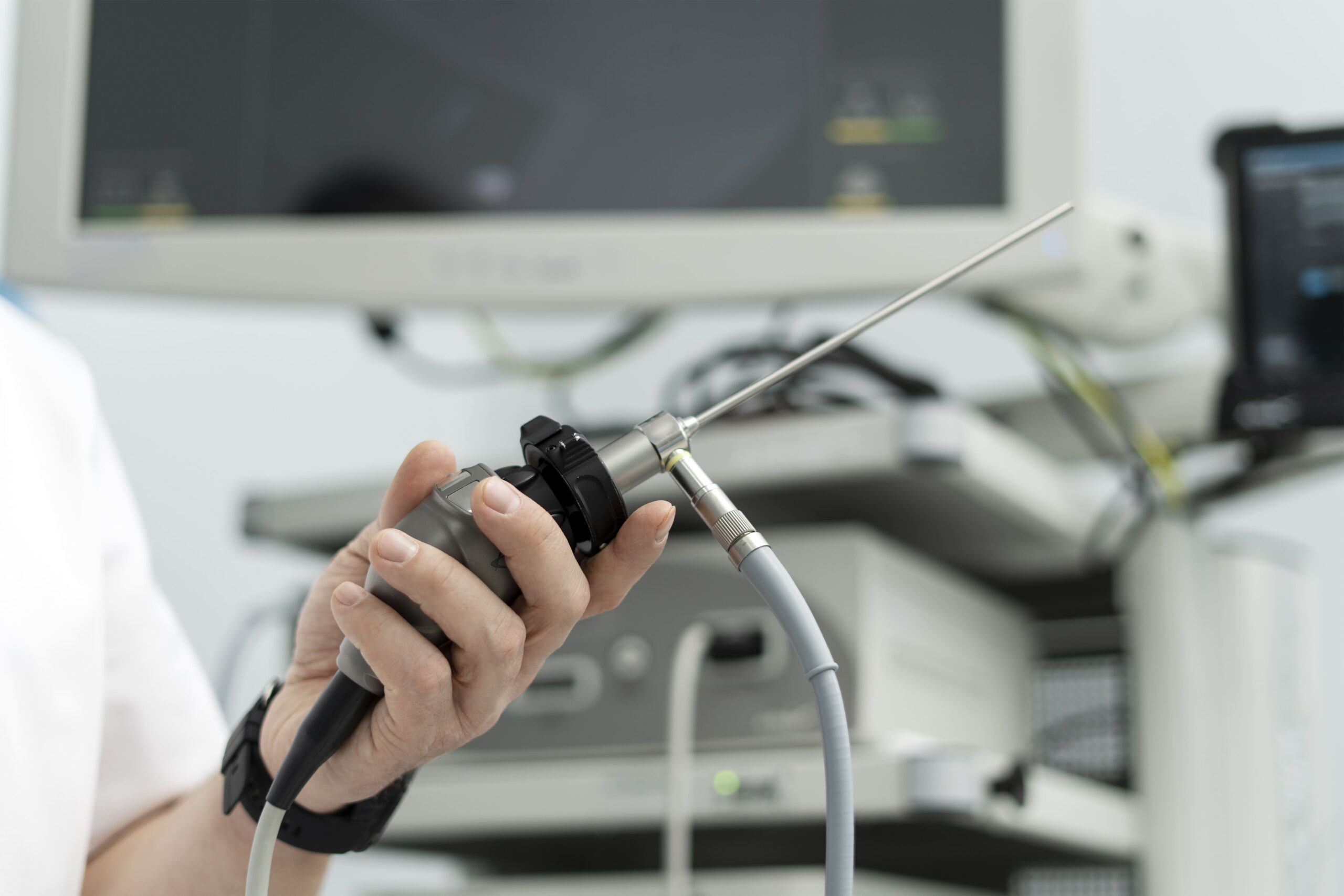
Nasal endoscopy ($150-$300) provides visualisation of septal deviation and associated pathology. CT scans ($400-$600) offer detailed anatomical mapping for surgical planning, particularly when sinus disease coexists. Blood tests, ECGs, and chest X-rays add $100- $200 to the cost of preoperative clearance.
Some clinics bundle diagnostic tests into surgical packages, while others bill separately. Patients with existing recent imaging may avoid repeat studies, reducing overall costs. Pre-operative consultations typically require 1-2 visits, each at $100-$250.
Factors Affecting Total Cost
Case Complexity and Surgical Time
Simple anterior deviations requiring 30-minute procedures incur minimal charges, while S-shaped deviations or high septal spurs demand extensive reconstruction. Revision septoplasties after failed initial surgery often require cartilage grafting and extended operating time, increasing costs by 40-60%.
Scarring from previous surgery, septal perforations, or severe trauma complicates surgical technique. These cases may require specialised instruments, extended anaesthesia time, and prolonged post-operative monitoring, adding $2,000-$4,000 to standard fees.
Additional Procedures Performed
Turbinate reduction ($1,500-$3,000) is frequently performed alongside septoplasty to optimise nasal airflow. Endoscopic sinus surgery ($3,000-$6,000) addresses concurrent sinusitis, while rhinoplasty adds $5,000-$10,000 for cosmetic nasal reshaping. Combining procedures increases operating time but may reduce overall costs compared to staged surgeries.
Nasal valve repair, polyp removal, or adenoidectomy are other concurrent procedures that affect total charges. Surgeons typically provide detailed quotes outlining the costs of individual procedures and potential package discounts for combined surgeries.
Hospital Type and Ward Class
Public hospitals offer significant subsidies for Singapore citizens and permanent residents. Class C wards provide 65-80% subsidies, reducing total costs to $3,000-$5,000. Class B2 wards offer 50-65% subsidies, while Class B1 and A wards receive minimal subsidies, approaching private hospital rates.
Private hospitals provide enhanced amenities, shorter waiting times, and flexibility in choosing a surgeon. Mount Elizabeth, Gleneagles, and Raffles Hospital charge higher rates but offer comprehensive packages including post-operative medications and follow-up visits. Some private facilities provide interest-free instalment plans.
Insurance and Payment Options
Medisave Coverage
Singapore residents can utilise Medisave for septoplasty expenses, with a withdrawal limit of $7,550 for the procedure under Table 2B of the surgical classifications. This covers substantial portions of public hospital bills but may fall short for private facility charges. Medisave cannot cover consultation fees, diagnostic tests performed outside hospital admission, or post-discharge medications.
Complex septoplasties involving multiple procedures may exceed the limits of a single procedure. Patients should verify specific Medisave classifications with their surgeons, as coding variations affect withdrawal amounts. Family members’ Medisave accounts provide additional funding sources within regulatory limits.
MediShield Life and Integrated Shield Plans
MediShield Life provides basic coverage for septoplasty performed in public hospitals, covering portions after deductibles ($2,000-$3,000) and co-insurance (10%). Coverage extends to Class B2/C wards, with claim limits of $1,000 to $2,000 per day for accommodation and predetermined surgical benefit amounts.
Integrated Shield Plans (IPs) offer enhanced coverage for private hospital treatment and higher ward classes. Riders eliminate co-payment requirements, though pre-existing condition clauses may apply. Patients should review policy terms carefully, as some insurers require pre-authorisation or impose waiting periods for elective procedures.
Private Insurance Considerations
Commercial health insurance policies vary significantly in their coverage for septoplasty. Some classify the procedure as medically necessary when functional impairment exists, while others exclude it as elective. Documentation of breathing difficulties, recurrent infections, or sleep disturbances strengthens medical necessity claims.
Pre-authorisation remains important for private insurance claims. Insurers may request specialist reports, CT scan evidence, or documentation of failed conservative treatment. Coverage typically excludes cosmetic components, requiring separate billing for combined functional-aesthetic procedures.
Hidden and Additional Costs
Post-operative Medications ($150-$400)
Antibiotic courses prevent infection during healing, typically costing $50-$100 for 7-10 days. Pain medications range from basic analgesics ($20-$40) to stronger prescriptions ($60-$120). Nasal sprays, saline rinses, and decongestants add $80- $150 to the recovery period.
Some surgeons prescribe specialised medications such as steroid sprays or antibiotic ointments, thereby increasing pharmaceutical costs. Generic alternatives reduce expenses when available, though certain post-operative protocols require specific branded products.
Follow-up Consultations ($100-$250 per visit)
Initial post-operative visits occur within 1-2 weeks for splint removal and wound assessment. Subsequent appointments at 1 month, 3 months, and 6 months monitor healing progress and address concerns. Most surgeons include 2-3 follow-up visits in the surgical fee, charging separately for additional visits.
Endoscopic cleaning sessions may be necessary to remove crusts or prevent adhesion and cost $150-$300 each. Complicated recoveries that require frequent debridement or additional interventions incur higher follow-up costs.
Potential Complication Management
While uncommon, complications like bleeding, infection, or septal hematoma require immediate intervention. Emergency department visits cost $300-$500, with potential admission for observation or treatment adding thousands to overall expenses. Revision surgery for unsatisfactory results typically costs 50-70% of the initial procedure fees.
Septal perforation repair, if it occurs, involves complex reconstruction and costs $5,000-$10,000. Most surgeons address minor complications without additional charges, though significant interventions fall outside standard surgical fees.
Cost Comparison Across Facilities
Public hospitals maintain standardised pricing within ward class structures. Singapore General Hospital, Tan Tock Seng Hospital, and National University Hospital charge similar rates for equivalent ward classes. Waiting times of 3-6 months for subsidised surgery offset cost advantages for non-urgent cases.
Private hospital pricing varies by facility prestige and location. Orchard Road facilities typically charge 20-30% more than suburban hospitals. Mount Alvernia Hospital and Farrer Park Hospital offer competitive rates compared to established medical centres. Day surgery centres provide cost-effective options for suitable candidates, reducing facility charges by 30-40%.
Specialist clinics with attached surgical facilities may offer package deals encompassing consultation, surgery, and follow-up care. These integrated services sometimes provide cost savings compared to separate hospital admissions, particularly for straightforward cases.
💡 Did You Know?
Septoplasty performed under local anesthesia with sedation in ambulatory settings can reduce total costs by 40-50% compared to traditional general anesthesia in hospital settings, though patient selection criteria remain strict for this approach.
What Our ENT Specialist Says
“Cost transparency helps patients plan effectively for septoplasty. I provide detailed quotations breaking down all anticipated charges, including potential additional procedures discovered during surgery. Many patients benefit from discussing financing options early, as this reduces stress and allows focus on surgical outcomes rather than financial concerns during recovery.”
Surgical complexity often becomes apparent only during the procedure, when complete visualisation reveals hidden pathology. Experienced surgeons account for these possibilities in pre-operative discussions and cost estimates. Open communication about financial constraints helps identify appropriate facility options and payment structures.
Package pricing for combined procedures often provides better value than staged surgeries. However, medical necessity rather than cost savings should drive surgical planning decisions.
Putting This Into Practice
- Request detailed written quotations from multiple facilities, ensuring all components are itemised clearly.
- Verify insurance coverage limits and pre-authorisation requirements at least 4 weeks before surgery.
- Calculate total out-of-pocket expenses, including medications, follow-ups, and potential time off work.
- Explore payment plan options offered by hospitals or third-party medical financing companies.
- Document all symptoms and failed conservative treatments to support insurance claims.
When to Seek Professional Help
- Chronic nasal obstruction unresponsive to medications, lasting several months
- Recurrent sinus infections requiring multiple antibiotic courses yearly
- Noisy breathing or snoring attributed to nasal blockage
- Frequent nosebleeds from septal spurs or prominent deviations
- Facial pain or headaches related to nasal structural problems
- Post-traumatic nasal deformity affecting breathing
- Previous septoplasty with persistent or recurrent symptoms
Commonly Asked Questions
Does septoplasty cost include treatment for snoring?
Septoplasty addresses nasal obstruction that contributes to snoring, but it doesn’t guarantee snoring resolution. Sleep studies costing $300-$800 may identify additional factors, such as sleep apnea, that require separate interventions. Combined procedures targeting multiple causes of snoring increase overall treatment costs.
Can I claim from both Medisave and insurance?
Yes, Medisave withdrawals can cover portions not reimbursed by insurance. Typically, insurers process claims first, with Medisave covering any remaining eligible expenses within withdrawal limits. Coordination between both funding sources requires proper documentation and may extend reimbursement timelines.
Are revision septoplasty costs higher?
Revision procedures typically cost 50-70% more than primary septoplasty due to increased technical difficulty, longer operating times, and potential requirements for cartilage grafting. Scar tissue and altered anatomy complicate the surgical approach, demanding specialised expertise.
Do costs vary between local and general anaesthesia?
General anaesthesia adds $800 – $2,000 compared with local anaesthesia with sedation. However, most septoplasties require general anaesthesia for optimal surgical conditions. Local anaesthesia is suitable only for limited anterior corrections in highly selected patients.
What if complications increase my final bill?
Reputable surgeons discuss potential complications and associated costs during consultation. While surgical fees typically remain fixed, extended hospitalisation or additional procedures for complication management incur separate charges. Comprehensive insurance coverage provides financial protection against unforeseen expenses.
Next Steps
If you’re experiencing chronic nasal obstruction, recurrent infections, or post-traumatic deformity affecting your breathing, our ENT specialist can provide a comprehensive evaluation and detailed cost estimates for your specific condition.