Treatment For Blocked Nose At Night: What You Need To Know

Does your blocked nose turn peaceful sleep into hours of mouth breathing and restless awakening? Nighttime nasal congestion occurs when blood vessels in your nasal passages dilate while lying down, combined with reduced natural drainage during sleep. The horizontal position increases blood flow to your head and nasal tissues. Gravity no longer helps mucus drain from your sinuses. This physiological change can affect your sleep quality and oxygen intake. It may also trigger daytime symptoms, including fatigue, difficulty concentrating, and chronic dry mouth.
Why Your Nose Blocks More at Night
Your nasal passages follow a natural cycle called the nasal cycle. One nostril becomes more congested whilst the other opens, alternating regularly. During sleep, this cycle continues, but lying flat amplifies the congestion in the already narrower nostril. Blood pools in the nasal tissues without the aid of gravity. This causes additional swelling.
The parasympathetic nervous system (the part of your nervous system that controls rest and digestion) becomes more active during rest. It increases mucus production and dilates blood vessels in your nose. This same system that slows your heart rate and promotes relaxation also makes your nasal passages more prone to congestion. Indoor allergens concentrated in bedding materials—such as dust mites, pet dander, and fabric particles—can trigger an inflammatory response. This response may peak during prolonged exposure through the night.
Changes in temperature and humidity in your bedroom can also influence nasal congestion. Air conditioning removes moisture from the air. This dries nasal passages and can trigger compensatory mucus production. Conversely, high humidity can increase dust mite populations and mould growth. Both are common triggers for nighttime nasal blockage.
Medical Conditions Behind Nighttime Nasal Congestion
Chronic Sinusitis
Chronic sinusitis involves inflammation of the sinus cavities (the hollow spaces in your skull around your nose and eyes) lasting more than several weeks. The condition causes thick mucus that is difficult to drain when lying flat. Sinus openings, already narrowed by inflammation, become functionally blocked in horizontal positions. Patients with chronic sinusitis often wake with:
- Facial pressure
- Post-nasal drip (mucus draining down the back of your throat)
- Congestion that may improve slightly after being upright for some time
Deviated Septum
A deviated septum—where the wall between nostrils shifts to one side—creates asymmetric airflow that worsens at night. The narrower nasal passage becomes completely blocked when tissues swell during sleep. Many people with mild septal deviations function normally during the day but experience significant obstruction at night. The deviation creates turbulent airflow patterns that dry out nasal tissues. This triggers additional inflammation and mucus production.
Nasal Polyps
Nasal polyps are soft, painless growths that develop from chronic inflammation of the nasal and sinus tissues. These non-cancerous growths physically obstruct airflow and prevent normal mucus drainage. Polyps often grow slowly over an extended period. At night, when nasal tissues naturally swell, even small polyps can cause complete nasal obstruction. Polyps frequently recur even after removal if underlying inflammation isn’t controlled.
Allergic Rhinitis
Allergic rhinitis (commonly known as hay fever) triggers an immune response to specific allergens. This causes nasal tissue inflammation, excessive mucus production, and blood vessel dilation (widening). Bedroom environments concentrate allergens—pillows harbour dust mites, pets sleep on beds, and windows allow pollen entry. The inflammatory cascade initiated by allergen exposure peaks several hours after contact. This often coincides with middle-of-the-night awakening. Year-round allergens like dust mites can cause persistent nighttime symptoms, whilst seasonal allergens (such as tree or grass pollen) can cause predictable patterns of congestion.
Immediate Relief Methods
Saline Nasal Rinses
Saline rinses physically flush mucus, allergens, and inflammatory mediators from the nasal passages. Use distilled or boiled, then cooled, water mixed with salt packets. Perform rinses 30 minutes before bed. Tilt your head at 45 degrees and allow the solution to flow through one nostril and exit the other. The isotonic solution moisturises nasal tissues without triggering additional swelling. Hypertonic solutions with slightly higher salt concentrations can draw excess fluid from swollen tissues.
Head Elevation Techniques
Elevating your head moderately reduces blood pooling in nasal tissues and supports sinus drainage. Use a wedge pillow that supports your entire upper body rather than just propping up your head. Propping up only your head can strain your neck and actually worsen congestion by crimping airways. Adjustable beds offer precise positioning without pillow shifting during sleep. The elevation must extend from your waist to maintain appropriate spinal alignment whilst achieving drainage benefits.
Steam Therapy
Steam therapy delivers warm, moist air directly to the nasal passages. This helps thin mucus, making it easier to clear, and reduces tissue inflammation. Run a hot shower with the bathroom door closed for several minutes before bed. Breathe deeply through your nose. Place your face an appropriate distance above a bowl of steaming water with a towel, creating a tent over your head for focused treatment. Add eucalyptus or peppermint oil (a few drops only) for decongestant effects through natural menthol compounds.
💡 Did You Know?
Your nasal passages produce mucus daily. Goblet cells increase production in response to irritation or infection. This mucus contains antibodies, enzymes, and other proteins that trap and neutralise pathogens.
Medical Treatments Available
Nasal Corticosteroid Sprays
Prescription nasal corticosteroids reduce inflammation in the nasal passages. They suppress immune cell activity and reduce blood vessel permeability (the ease with which fluids can pass through vessel walls). These medications work at the cellular level to prevent the release of inflammatory mediators (chemicals that trigger inflammation). Full effectiveness requires consistent use for a couple of weeks, as the medication builds up in the nasal tissues. Proper technique involves aiming the spray away from the nasal septum (the wall separating your nostrils) towards the outer wall of your nose. This helps prevent septum irritation and nosebleeds.
Antihistamines
Non-sedating antihistamines block histamine receptors in nasal tissues. This prevents the allergic cascade (chain reaction) that leads to congestion. These medications work within a couple of hours but can provide extended coverage when taken regularly. Intranasal antihistamine sprays deliver medication directly to affected tissues. They work faster than oral medications for nasal symptoms. Combination therapy with both nasal corticosteroids and antihistamines can help control allergic rhinitis (inflammation of the nasal passages caused by allergens).
Decongestant Medications
Oral decongestants constrict blood vessels throughout your body, including nasal passages. This reduces tissue swelling. These medications can raise blood pressure and cause insomnia, making timing important—take them several hours before bedtime. Nasal decongestant sprays can provide rapid relief but should be used for only a few days. Extended use can cause rebound congestion, in which nasal tissues become dependent on the medication to maintain their normal size.
Surgical Interventions
Septoplasty corrects deviated septa (crooked walls between the nostrils). Surgeons reposition or remove portions of bent cartilage and bone. The outpatient procedure (meaning you can go home the same day) typically requires a couple of weeks of recovery. Healthcare providers remove packing within days. Turbinate reduction shrinks enlarged nasal structures (shelf-like structures inside your nose) using radiofrequency energy or surgical trimming. This improves airflow whilst preserving the turbinates’ filtering and humidifying functions.
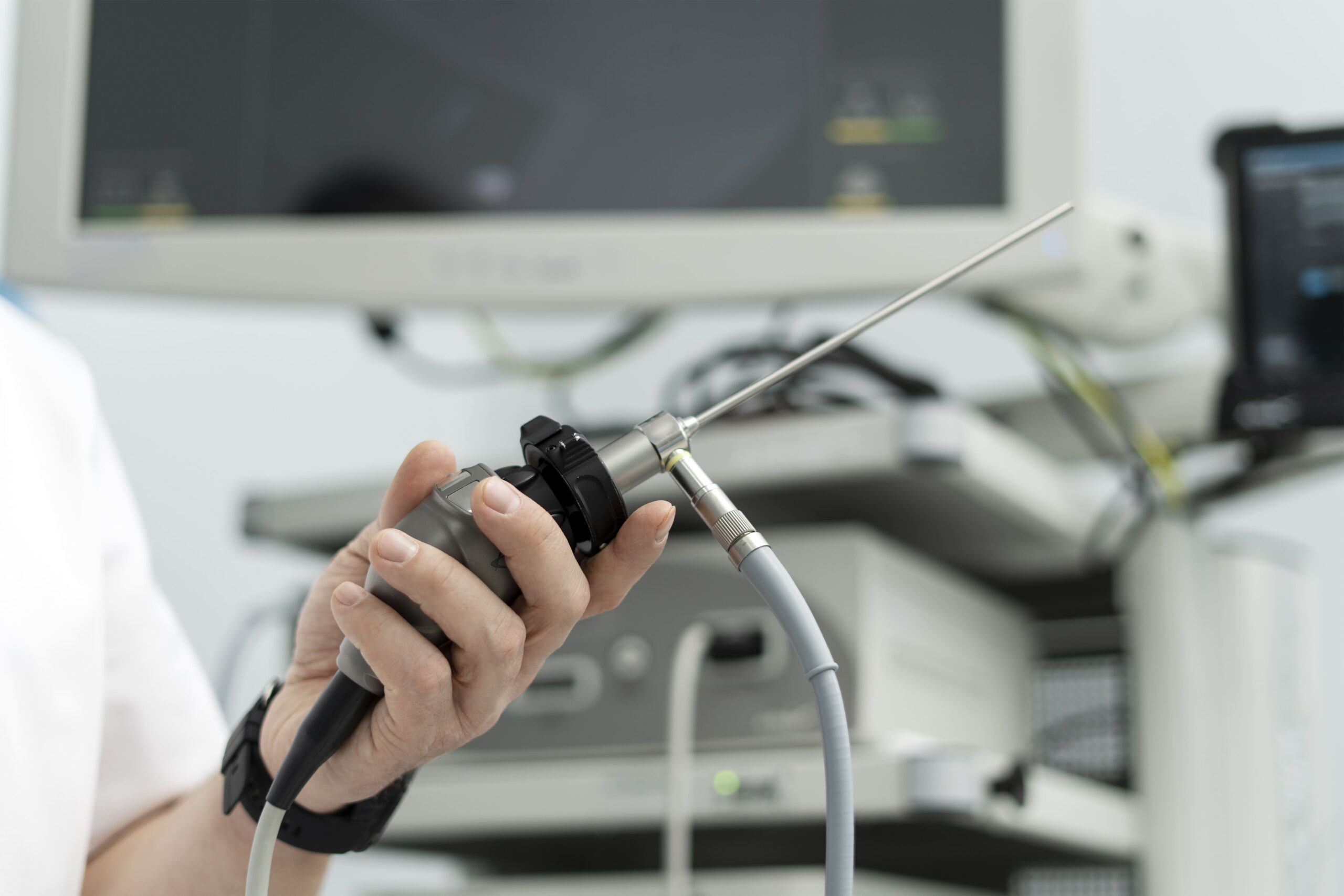
Functional endoscopic sinus surgery (FESS) opens blocked sinus drainage pathways using minimally invasive techniques (procedures done through small incisions or natural openings). Surgeons use thin endoscopes (narrow tubes with cameras and lights) to remove polyps (growths), diseased tissue, and bone obstructing sinus openings. The procedure preserves healthy tissue whilst creating wider drainage channels that can resist future blockage.
Environmental Modifications
Your bedroom environment significantly impacts nighttime nasal congestion. Replace carpeting with hard flooring to reduce allergen accumulation. Wash bedding weekly in water heated to at least 60°C to eliminate dust mites. Use allergen-proof covers on mattresses and pillows to create a barrier between you and accumulated allergens.
Maintain bedroom humidity at suitable levels using a hygrometer (a device that measures moisture in the air) to monitor levels. Humidifiers add moisture during dry seasons. Dehumidifiers prevent excess moisture that promotes mould and dust mite growth. Clean humidifiers every three days to prevent bacterial and fungal growth in water reservoirs.
Position HEPA air filters near your bed to remove airborne particles while you sleep. These filters capture tiny particles, including most allergens and irritants. Change filters according to manufacturer recommendations, typically every few months for effective performance.
Remove fabric items that harbour allergens, such as heavy curtains, stuffed animals, and upholstered furniture. Choose washable window treatments and minimise bedroom clutter that collects dust. Keep pets out of bedrooms, as their dander (tiny skin flakes) remains airborne for extended periods and can settle into bedding.
⚠️ Important Note
Chronic use of nasal decongestant sprays can cause rhinitis medicamentosa (a condition in which nasal tissues swell severely when you stop using the medication). Breaking this dependency requires complete cessation of the spray. A healthcare professional can advise on the appropriate management of withdrawal congestion.
Daily Management Strategies
- Perform nasal irrigation twice daily: Morning rinses clear overnight accumulation. Evening rinses remove daily allergen exposure before sleep.
- Stay hydrated throughout the day: Drink water regularly to maintain a thin mucus consistency that drains easily.
- Exercise regularly but time it appropriately: Physical activity can help reduce nasal inflammation. Avoid exercise close to bedtime as it temporarily increases congestion.
- Manage stress through breathing exercises: Practice alternate nostril breathing to maintain nasal passage flexibility and reduce stress-related inflammation.
- Avoid dietary triggers before bed: Skip dairy products, alcohol, and spicy foods several hours before sleep. These increase mucus production or cause blood vessels to widen.
When to Seek Professional Help
- Nasal congestion (a stuffy or blocked nose) persisting beyond two weeks despite home treatment
- Blood in nasal discharge or frequent nosebleeds
- Facial pain or pressure that worsens when bending forward
- Complete loss of smell or taste
- Snoring severe enough to wake you or your partner repeatedly
- Morning headaches occur frequently
- Visible nasal deformity (changes in the nose’s shape), or trauma affecting breathing
- Recurrent sinus infections (infections in the air-filled spaces around your nose and eyes) requiring antibiotic treatment
- Difficulty breathing through your nose even during the daytime
- Sleep disruption affecting daily performance or concentration
Commonly Asked Questions
Can certain sleeping positions worsen nighttime nasal congestion?
Sleeping on your back allows mucus to pool in your sinuses. It also increases blood flow to the nasal tissues. Side sleeping promotes drainage from the upper nostril whilst potentially blocking the lower one. Alternating sides during the night helps prevent prolonged congestion in either nostril. Stomach sleeping can strain your neck and spine, though it can sometimes improve drainage.
How do I know if my nighttime congestion is from allergies or infection?
Allergic congestion typically produces clear, watery discharge. It occurs with itchy eyes, sneezing, and seasonal patterns. Infections cause thicker, coloured mucus. They are accompanied by facial pressure, fever, and body aches (such as headaches, muscle soreness, or general malaise). Allergic symptoms respond to antihistamines within hours. Infections require several days to resolve. Chronic allergic rhinitis (long-term inflammation of the nasal passages caused by allergens) can predispose you to secondary bacterial infections.
What role does diet play in nighttime nasal congestion?
Dairy products increase mucus thickness in some individuals through reactions with casein protein. Alcohol dilates blood vessels (causes them to widen), worsening nasal swelling, and disrupts sleep architecture. Spicy foods trigger immediate mucus production. This happens through capsaicin stimulation of nasal nerves. Refined sugars may trigger an inflammatory response in sensitive individuals.
Is surgery necessary for a deviated septum?
Surgery may be considered when septal deviation (when the wall between your nostrils is off-centre or crooked) causes recurrent sinus infections, sleep apnoea, or significantly impairs quality of life. Some people with mild-to-moderate deviations manage symptoms with medical therapy and environmental controls. Healthcare professionals can recommend surgery based on your symptom severity, how well you’ve responded to other treatments, and how the condition affects your daily activities.
Can nighttime nasal congestion lead to other health problems?
Chronic mouth breathing due to nasal obstruction can lead to dental problems. These include cavities and gum disease from reduced saliva protection. Sleep fragmentation (repeated interruptions to your sleep) from congestion contributes to daytime fatigue, cognitive impairment (such as difficulty concentrating or remembering things), and mood disorders. Children with persistent nasal blockage may develop facial structural changes and orthodontic problems (issues with tooth alignment that require braces or other dental correction).
Next Steps
Effective treatment requires identifying your specific triggers through symptom tracking, implementing environmental modifications, and using immediate relief techniques. Structural issues or chronic inflammation may need professional evaluation and targeted treatment beyond home remedies.

If you’re experiencing difficulty breathing through your nose at night, feeling stuffed up, or needing to breathe through your mouth while sleeping, ENT specialists can provide endoscopic examination and allergy testing to identify underlying causes and develop tailored treatment plans.