Are Sinus Infections Contagious?
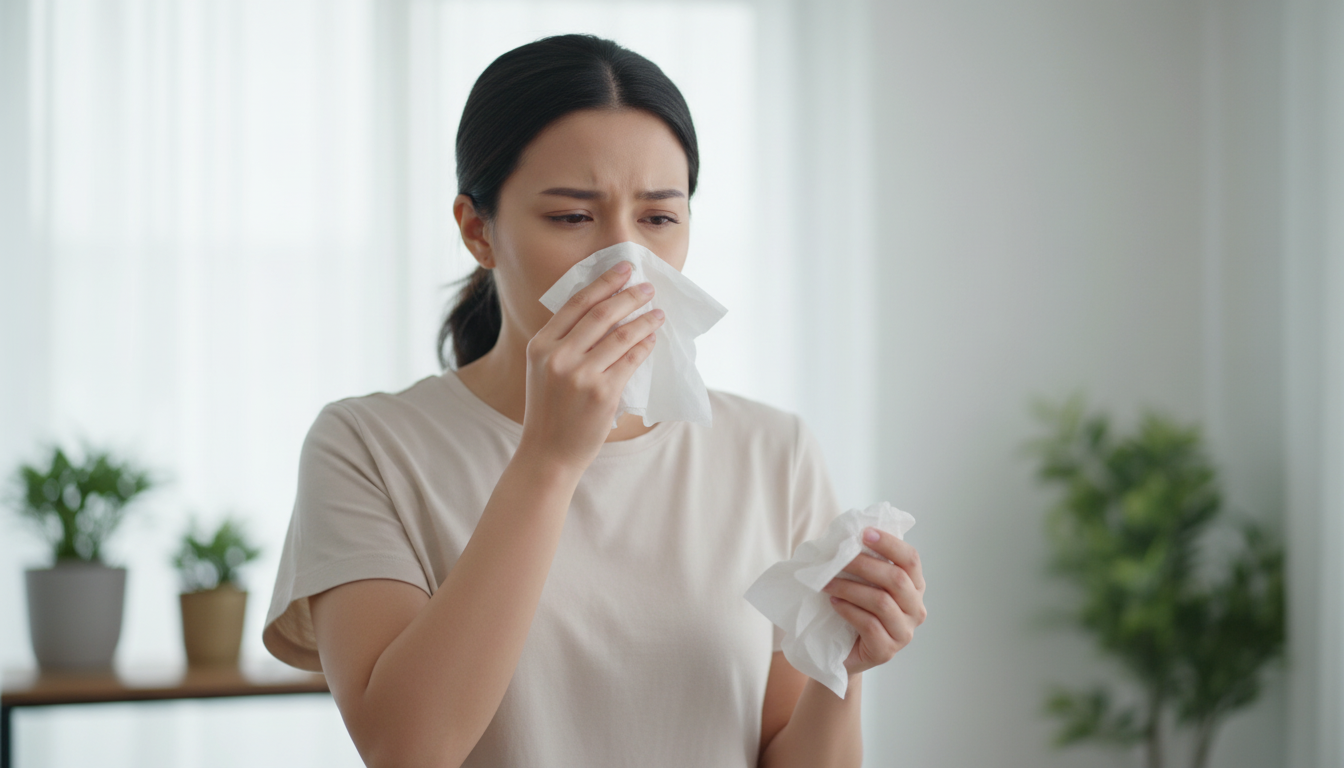
Can you catch a sinus infection from someone else? The answer depends entirely on what caused the infection. Bacterial and allergic sinusitis cannot spread from person to person. However, viral sinusitis can spread through the same respiratory droplets that transmit common colds. The viruses that trigger sinus infections may remain contagious for approximately 1 to 10 days. Peak transmission occurs during the first few days when symptoms (such as nasal discharge and sneezing) are most pronounced.
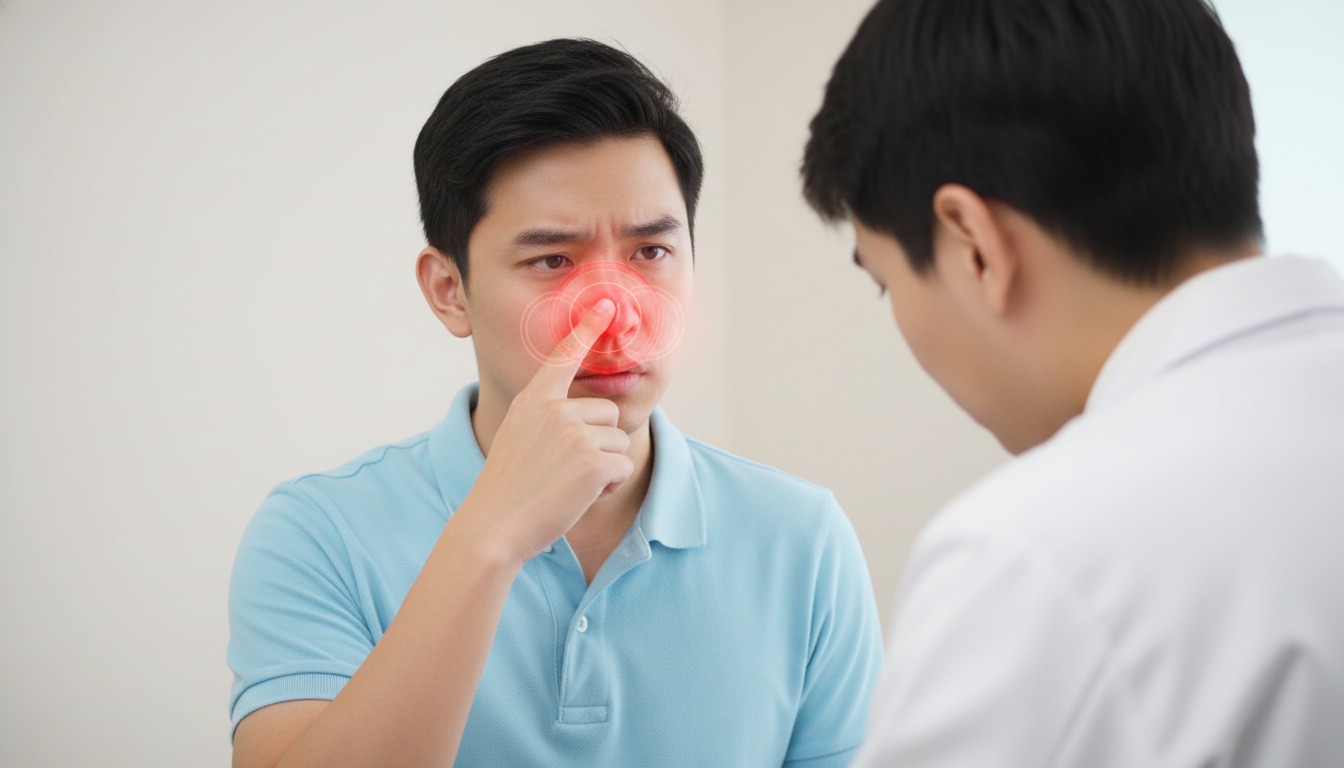
Determining whether your sinus infection poses a risk to others requires recognising the underlying cause. Viral sinusitis typically follows a cold or upper respiratory infection (an infection affecting the nose, throat, and airways). It presents with clear to slightly cloudy nasal discharge that gradually thickens. Bacterial sinusitis often develops as a secondary infection after several days of viral symptoms. It produces thick, yellow-green discharge and typically causes more localised facial pain. Allergic sinusitis occurs in response to specific triggers (such as pollen, dust, or pet dander). It presents with watery discharge and prominent itching.
Understanding Sinus Infection Transmission
The sinuses consist of four paired air-filled cavities within the facial bones:
- Maxillary sinuses (located behind the cheekbones)
- Ethmoid sinuses (positioned between the eyes)
- Frontal sinuses (situated above the eyebrows)
- Sphenoid sinuses (found deep behind the nose)
These cavities connect to the nasal passages through small openings called ostia. When inflammation blocks these openings, mucus accumulates within the sinuses. This creates an environment where pathogens can multiply.
Viral particles from an infected person travel through respiratory droplets. These droplets are released during coughing, sneezing, or talking. When another person inhales these particles or touches contaminated surfaces and then touches their face, the virus enters their nasal passages. Once inside, the virus attaches to cells lining the nasal passages and begins replicating. This triggers inflammation that can extend into the sinus cavities.
The progression from viral exposure to sinus infection follows a pattern:
- Initial viral infection causes inflammation in the nasal passages
- This inflammation produces excess mucus and swells the tissue around the sinus openings
- As drainage pathways narrow or close completely, pressure builds within the sinuses
- The trapped mucus loses its oxygen content, creating conditions that can support bacterial growth if the blockage persists
Identifying Contagious vs Non-Contagious Sinusitis
Viral sinusitis manifests with symptoms that evolve predictably over time. Days 1-3 bring nasal congestion, a clear runny nose, and mild facial pressure. Days 4-7 see thickening nasal discharge, reduced smell sensation, and post-nasal drip (mucus draining down the back of the throat), causing throat irritation. Patients experience gradual improvement after day 7, though complete resolution may take some time. When present, fever typically remains relatively low and occurs mainly during the first couple of days.
Bacterial sinusitis presents distinctly different patterns. Symptoms either persist beyond an extended period without improvement or worsen after initial improvement around days 5-7 (double worsening). Facial pain localises to specific areas corresponding to infected sinuses—cheek pain for maxillary sinusitis (infection of the sinuses in your cheekbones), and forehead pain for frontal sinusitis (infection of the sinuses in your forehead). The discharge becomes consistently thick and opaque, often yellow-green, and may have an unpleasant odour. Upper tooth pain frequently accompanies maxillary sinus infections because the tooth roots are close to the sinus floor.
Fungal sinusitis, though rare in healthy individuals, requires recognition of warning signs. Allergic fungal sinusitis produces thick, peanut butter-like mucus with a characteristic musty smell. Patients often report unilateral symptoms (affecting one side only) and may notice dark clots in nasal discharge. Invasive fungal sinusitis, a medical emergency in immunocompromised patients (people with weakened immune systems), causes rapidly progressive symptoms including facial numbness, vision changes, and black necrotic tissue (dead tissue) in the nasal cavity.
Non-infectious sinusitis results from various triggers that cause inflammation without pathogen involvement (inflammation not caused by bacteria, viruses, or fungi). Allergic rhinosinusitis (sinus inflammation triggered by allergies) occurs with allergen exposure and features prominent itching, sneezing, and watery eyes, along with sinus symptoms. Chemical irritant exposure from pollution, cigarette smoke, or strong fragrances triggers immediate symptoms that can resolve once exposure ends. Structural causes, such as a deviated septum (when the wall between your nostrils is shifted to one side) or nasal polyps (non-cancerous growths in the nasal passages), can create chronic drainage problems that may lead to recurrent infections.
Prevention Strategies for Contagious Sinus Infections
Hand hygiene is a method for preventing viral transmission. Proper handwashing requires approximately 20 seconds of scrubbing with soap. Ensure coverage of all surfaces, including between the fingers, under the nails, and on the wrists. Alcohol-based sanitisers with at least 60% alcohol can provide an alternative when soap and water aren’t available. Critical times for hand hygiene include:
- After nose blowing
- Before eating
- After using public transportation
- After touching shared surfaces like doorknobs or keyboards
Environmental modifications can help reduce transmission risk in homes and workplaces. Maintain humidity levels at moderate levels using humidifiers or dehumidifiers as needed, since both extremely dry and overly humid air compromise nasal defence mechanisms. Regular cleaning of high-touch surfaces with standard household disinfectants eliminates viral particles that can survive on hard surfaces for extended periods. Improve ventilation by opening windows when the weather permits, or by using air purifiers with HEPA filters in enclosed spaces.
Nasal irrigation can provide both preventive and therapeutic benefits. Saline rinses physically remove viral particles, allergens, and excess mucus from nasal passages. Follow these steps:
- Use distilled, sterile, or previously boiled water cooled to room temperature
- Add small amounts of non-iodised salt and baking soda to water for an isotonic solution
- Perform irrigation once or twice daily during high-risk periods or active infections, tilting your head sideways over a sink and gently squeezing solution through one nostril while breathing through your mouth
Personal protective behaviours during infectious periods help protect others while supporting your own recovery:
- Wear a surgical mask when around others during the first few days of symptoms
- Sneeze and cough into your elbow or a tissue, disposing of tissues immediately
- Avoid sharing personal items, including towels, pillows, and drinking glasses
- Sleep separately from partners during the peak contagious period if possible
- Work from home or maintain distance from colleagues when symptoms are active
Treatment Approaches by Infection Type
Viral sinusitis management focuses on symptom relief while the immune system clears the infection. Steam inhalation helps loosen mucus and temporarily relieves congestion. Place a towel over your head while breathing steam from a bowl of hot water. Keep your face at a comfortable distance to avoid burns. Warm compresses applied to painful sinus areas provide localised relief. Elevate your head with extra pillows during sleep to promote sinus drainage.
Medications for viral sinusitis should target specific symptoms without interfering with natural healing. Saline nasal sprays (salt water solutions) thin mucus and moisturise nasal passages. Oral decongestants like pseudoephedrine reduce swelling but should be avoided in patients with hypertension (high blood pressure) or heart conditions. Nasal decongestant sprays provide rapid relief but should be used sparingly to prevent rebound congestion (worsening of symptoms when you stop using the spray). Pain relievers such as paracetamol or ibuprofen are used to treat facial pain and fever.
Bacterial sinusitis requires different management strategies. While many cases resolve without antibiotics, certain situations may warrant antimicrobial treatment. A healthcare professional considers antibiotics when:
- Symptoms persist beyond 10 days without improvement
- Severe symptoms include fever above 39°C with purulent discharge (thick, yellow, or green mucus) for several consecutive days
- Symptoms worsen after initial improvement
A healthcare professional can determine whether antibiotics are appropriate based on your specific symptoms and risk factors. Common antibiotics include amoxicillin or amoxicillin-clavulanate.
Chronic sinusitis management addresses the underlying factors that perpetuate inflammation. Daily nasal corticosteroid sprays (anti-inflammatory medications) reduce inflammation and polyp formation (small growths in the nasal passages) when used consistently. Leukotriene inhibitors (medications that block inflammatory chemicals) help patients with concurrent asthma or aspirin sensitivity. Allergen avoidance and immunotherapy (treatments that help your body build tolerance to allergens) benefit those with allergic triggers. Some patients may require extended antibiotic courses or periodic culture-directed therapy (treatment based on laboratory testing of bacteria) for bacterial colonisation.
💡 Did You Know?
Specialised cells called goblet cells increase mucus production during infections. This mucus contains antibodies (proteins that fight infection), enzymes (biological molecules that break down harmful substances), and antimicrobial proteins (substances that kill or inhibit germs) that contribute to your body’s defence against pathogens.
Daily Management Techniques
Improve Your Breathing Environment
- Run a cool-mist humidifier in your bedroom during sleep, cleaning it regularly to prevent mould growth.
- Position yourself away from air conditioning vents that blow directly on your face.
- Replace HVAC filters monthly during high pollen seasons.
- Keep windows closed during high pollen hours (typically early morning hours).
- Remove carpeting from bedrooms if common allergic triggers, such as dust mites, pet dander, or pollen, may contribute to sinus problems.
When to Seek Professional Help
- Facial swelling extending beyond the sinus areas, particularly around the eyes
- Vision changes, such as double vision, reduced vision, or eye pain with movement
- Severe headache that doesn’t respond to pain medication
- Confusion, difficulty concentrating, or altered mental state
- A stiff neck accompanied by a high fever
- Symptoms lasting more than a week and a half without any improvement
- Blood-tinged or persistently foul-smelling nasal discharge
- Recurring sinus infections
- Symptoms that worsen after several days of initial improvement
Commonly Asked Questions
Can I exercise with a sinus infection?
Light exercise, like walking, can help improve sinus drainage by increasing blood flow and exerting a natural decongestant effect. Avoid strenuous activities during the first few days of symptoms. Don’t swim in chlorinated pools, as they can irritate the nasal passages. Avoid exercise in cold, dry air. Listen to your body and rest if symptoms worsen during activity.
How do I know if my child’s sinus infection is contagious?
Children with viral sinusitis remain contagious during active cold symptoms. Watch for clear to slightly coloured nasal discharge, mild fever, and concurrent cold symptoms in family members. Bacterial sinusitis in children presents with persistent symptoms or high fever with thick discharge.
Can sinus infections spread to the brain?
While extremely rare, untreated bacterial sinusitis can potentially spread to surrounding structures. The ethmoid and sphenoid sinuses sit near the brain, separated by thin bone. Warning signs requiring immediate medical attention include severe headache with neck stiffness, vision changes, altered consciousness, or seizures. Antibiotic treatment may help prevent these serious complications.
Why do I get sinus infections after flying?
Aeroplane cabin pressure changes affect sinus ventilation, particularly during descent. Dry cabin air compromises nasal mucus barriers. A confined space increases viral exposure from other passengers. Use a saline nasal spray before and during flights. Stay hydrated throughout travel. Consider using a decongestant before descent if you have active nasal congestion, as advised by a healthcare professional.
Should I stay home from work with a sinus infection?
During the first several days of viral symptoms, when contagion risk peaks, remote work or sick leave protects colleagues. Return to work once the fever resolves and you can manage symptoms without frequent nose blowing. Bacterial and allergic sinusitis don’t require isolation since they cannot spread to others.

Conclusion
Recognise symptom patterns to distinguish viral infections (contagious for 7-10 days) from bacterial or allergic sinusitis (non-contagious). Maintain proper hand hygiene and environmental controls during viral infections to protect others. Seek medical evaluation for symptoms persisting beyond 10 days or when complications arise.
If you’re experiencing recurring sinus infections, persistent facial pain, or symptoms lasting more than a week and a half without improvement, consult an ENT specialist to evaluate your specific condition and discuss appropriate treatment options.