Is Sinusitis Contagious? A Complete Guide

Did you know that the type of sinusitis you have determines whether it can spread to others? Viral sinusitis may spread through respiratory droplets, while bacterial and allergic sinusitis generally do not.
Your sinuses — air-filled spaces behind your forehead, cheeks, and nose — typically produce thin mucus that drains through small passages. When these passages become inflamed and obstructed, mucus accumulates, creating an environment in which infection can develop.
Sinus infections often begin with viruses that also cause the common cold. These viruses spread via coughing, sneezing, or contact with contaminated surfaces. However, sinusitis is typically a secondary consequence of viral infection rather than the primary illness. When someone catches a cold, they may experience only mild symptoms rather than developing sinusitis.
Viral vs Bacterial Sinusitis
Viral sinusitis occurs when viruses that cause colds or the flu inflame the sinus linings. These infections spread via airborne droplets generated by coughing or sneezing. Viruses can survive on surfaces for several hours, facilitating transmission via hand contact. Symptoms often include clear or whitish nasal discharge, facial pressure, and a mild fever that typically lasts around a week.
Bacterial sinusitis develops when bacteria multiply in blocked sinuses, often after a viral infection. Unlike viral forms, bacterial sinusitis is not contagious. The bacteria involved — such as Streptococcus pneumoniae or Haemophilus influenzae — usually live harmlessly in the nasal passages and only cause problems when sinus drainage becomes impaired.
Key differences help distinguish between types:
Viral sinusitis features:
- Gradual symptom onset over 2-3 days
- Clear to white mucus
- Symptoms improve after 5-7 days
- Low-grade fever below 38.5°C
- Both sides of the face are affected equally
Bacterial sinusitis indicators:
- Symptoms worsen after initial improvement
- Thick green or yellow discharge
- High fever above 38.5°C
- Facial pain on one side
- Symptoms persist beyond 10 days
While viral sinusitis usually resolves on its own, symptoms that persist for more than 10 days may indicate a bacterial infection. An ENT Specialist Singapore can perform a professional assessment to determine if your condition requires medical intervention or further imaging.
Understanding Transmission
Respiratory viruses causing sinusitis spread through several mechanisms:
- Large droplets from coughs and sneezes travel up to 2 meters, landing on nearby surfaces or directly entering another person’s nose or mouth
- Smaller aerosol particles remain airborne longer, especially in poorly ventilated spaces
Surface contamination plays a significant role. Viruses deposited on doorknobs, keyboards, or phones remain infectious for 2-8 hours. People touch their faces frequently—often without realising—transferring viruses from contaminated hands to mucous membranes.
💡 Did You Know?
Your sinuses produce about 1 liter of mucus daily under normal conditions. This mucus contains antibodies and enzymes that help trap and neutralize pathogens before they cause infection.
Contagious periods vary by virus type:
- Rhinoviruses, which cause many sinus infections, spread during the days preceding symptom onset through the first week of illness.
- Influenza viruses are transmitted from one day before symptoms until the fever resolves.
Environmental factors influence transmission rates:
- Low-humidity environments dry nasal passages, reducing their natural defence mechanisms.
- Crowded indoor spaces with poor ventilation increase exposure risk.
- Changes in temperature between heated indoor air and cold outdoor conditions can trigger sinus problems. inflammation, making infection more likely.
Prevention Strategies
Hand hygiene forms your primary defence against viral sinusitis. Wash your hands with soap and water for 20 seconds, especially after touching public surfaces or before eating. Alcohol-based sanitisers are effective when soap is unavailable, although washing remains more effective against certain viruses.
Environmental modifications reduce transmission risk:
- Maintain indoor humidity between 40-60% using humidifiers
- Allow proper ventilation in living and working spaces
- Clean frequently-touched surfaces with standard household disinfectants
- Replace HVAC filters regularly to reduce airborne particles
⚠️ Important Note
Antibiotics won’t prevent or treat viral sinusitis. Using them unnecessarily contributes to antibiotic resistance and may cause side effects without providing benefits.
Personal protective measures during cold and flu season include maintaining distance from obviously ill individuals and avoiding touching your face. If you develop symptoms, cover coughs and sneezes with a tissue or your elbow, and dispose of the tissue immediately.
Nasal irrigation using sterile saline solution helps clear mucus and reduce viral load in the nasal passages. Use distilled or boiled water cooled to room temperature—never tap water—mixed with pharmaceutical-grade salt packets. Consult a healthcare professional for guidance on frequency and technique for nasal irrigation during active infections or when exposed to sick individuals.
Treatment Approaches
Viral sinusitis management focuses on symptom relief while your immune system clears the infection. Steam inhalation loosens mucus—breathe steam from a bowl of hot water with a towel over your head. Saline nasal sprays help maintain moisture and clear discharge.
Over-the-counter medications provide relief:
- Paracetamol or ibuprofen reduces facial pain and fever
- Decongestant sprays offer temporary relief but should be used as directed by a healthcare professional
- Antihistamines help only if allergies contribute to symptoms
Bacterial sinusitis requires different management. While many cases resolve without antibiotics, persistent symptoms beyond 10 days or severe symptoms warrant medical evaluation. Amoxicillin is commonly prescribed as first-line treatment, with alternatives for penicillin-allergic patients.
✅ Quick Tip
Elevate your head while sleeping using extra pillows to promote sinus drainage. This simple position change often provides nighttime relief.
Natural remedies complement medical treatment. Warm compresses applied to painful areas provide relief. Staying hydrated thins mucus secretions. Avoid irritants such as cigarette smoke and strong perfumes that exacerbate inflammation.
Complications and Warning Signs
Most sinusitis resolves without complications, but certain symptoms require immediate medical attention:
- Severe headache with neck stiffness might indicate meningitis
- Vision changes, eye swelling, or pain with eye movement suggest orbital complications requiring medical treatment
Chronic sinusitis develops when inflammation persists for more than 12 weeks despite treatment. Chronic sinusitis is generally not contagious, as it is often caused by long-term inflammation rather than an active virus. For those who do not respond to medication, Functional Endoscopic Sinus Surgery Singapore can restore ventilation and improve the natural drainage of the paranasal sinuses. This condition affects quality of life through persistent facial pressure, reduced smell, and fatigue. Structural abnormalities, such as a deviated septum or nasal polyps, often contribute to chronicity.
If you find yourself catching ‘contagious’ colds that always turn into sinus infections, a structural issue may be to blame. Deviated Septum Surgery in Singapore is often recommended for patients whose crooked nasal midline prevents the sinuses from clearing effectively after a viral illness.”
Putting This Into Practice
- Install a hygrometer to monitor home humidity levels, using a humidifier when levels drop below 40%
- Create a “sick station” with tissues, hand sanitiser, and disinfectant wipes for household members with cold symptoms.
- Schedule annual flu vaccination, as influenza can trigger secondary bacterial sinusitis.
- Practice the nasal irrigation technique when healthy, so you’re comfortable using it during illness.
- Keep a symptom diary noting discharge colour, fever patterns, and symptom duration to share with your healthcare professional.
When to Seek Professional Help
- Symptoms lasting more than 10 days without improvement
- Severe headache or facial pain not relieved by over-the-counter medications
- Fever above 39°C persisting for more than 3 days
- Vision changes or eye swelling
- Thick, bloody nasal discharge
- Symptoms that improve, then suddenly worsen
- Recurring sinus infections more than 4 times yearly
Commonly Asked Questions
Can I go to work with sinusitis?
If you have viral sinusitis with active cold symptoms like coughing and sneezing, stay home during the first few days when you’re most contagious. Bacterial sinusitis isn’t infectious, so work attendance depends on how you feel. Always practice good hand hygiene regardless.
Is sinusitis contagious through kissing?
Viral sinusitis can spread through close contact, including kissing, as viruses are transmitted through saliva and respiratory secretions. Bacterial and allergic sinusitis cannot be transmitted through kissing or other contact.
How long after starting antibiotics am I contagious?
Antibiotics treat bacterial sinusitis, which isn’t contagious. If you initially had viral sinusitis that progressed to bacterial sinusitis, you’re no longer infectious once cold symptoms like coughing and sneezing resolve—typically before antibiotics are started.
Can my child catch sinusitis at school?
Children can contract cold and flu viruses at school, which may lead to sinusitis. Teaching proper handwashing and avoiding face-touching reduces risk. The sinusitis itself isn’t directly contagious—only the triggering virus spreads from child to child.
Does wearing a mask prevent the spread of sinusitis?
Masks help prevent the spread of viruses that cause sinusitis, particularly when worn by infected individuals. They’re most effective combined with hand hygiene and maintaining distance from others when actively symptomatic.
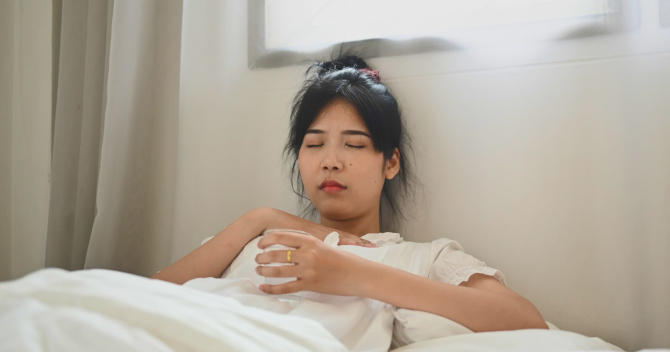
Conclusion
Viral sinusitis can spread through cold and flu viruses, while bacterial and allergic sinusitis do not. Practising good hygiene, maintaining optimal humidity, and seeking medical advice for persistent or severe symptoms can help prevent complications.
If you experience recurrent sinus infections or persistent symptoms, schedule an appointment with our ENT Specialist for assessment and appropriate management.